
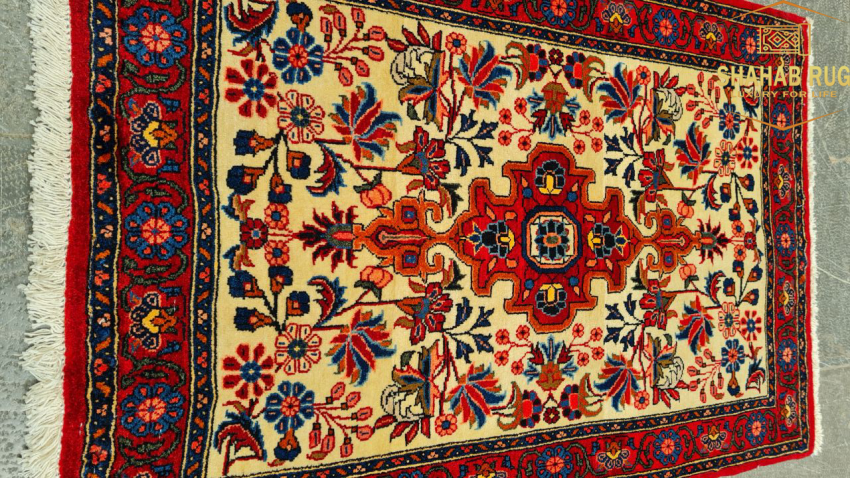
The ancient city of Bijar, nestled in the rugged highlands, holds a secret woven into the very fabric of Iranian art. This secret is the Persian carpet, a testament to human creativity and endurance. Specifically, the rugs from Bijar are legendary. They are not merely floor coverings; they are woven fortresses of design and tradition. The reputation of Bijar is built upon a unique technique that results in an exceptionally dense and durable textile. When one speaks of heirloom-quality rugs, the name Bijar is invariably at the forefront.
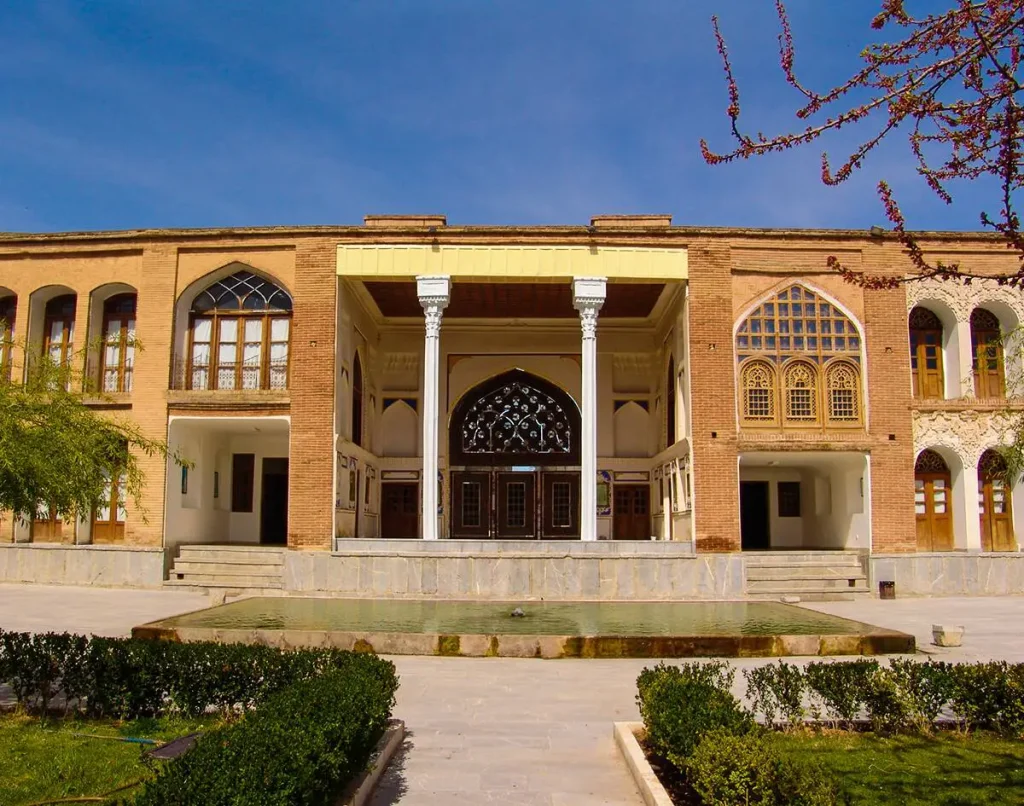
Bijar is located in the heart of Kurdistan Province in western Iran. This region is a tapestry of mountainous terrain and profound cultural history. Kurdistan Province, with its serene landscapes and resilient people, offers a distinct identity within Iran’s rich mosaic. The air in Bijar seems to carry the whispers of countless weavers, past and present, who have transformed wool and dye into narratives. The city itself is a living museum, where the rhythmic click of the loom is a familiar soundtrack.
The culture of the Kurdish people, or Kurdi culture, is the essential soul imbued within every Bijar rug. This culture is oral, poetic, and deeply connected to nature. You see this reflected in the motifs: the bold geometric patterns, the stylized flora and fauna, and the symbolic representations of ancient beliefs. Each knot is a letter, each row a sentence in a visual language passed down through generations of Kurdish women, the primary custodians of this art form. Their worldview, their struggles, and their joys are encoded in the warp and weft.
Indeed, many scholars rightfully call Kurdistan the cradle of the traditional rug in Iran. Some of the oldest and most influential weaving techniques and patterns trace their origins to these ancient tribes. The nomadic and village traditions of Kurdistan provided a fertile ground for rug weaving to evolve from a practical craft into a sophisticated art. The Persian carpet, in its many glorious forms, owes a fundamental debt to the pioneering artistry that emerged from this rugged province. The legacy of Kurdistan is foundational.
Focusing back on Bijar, the technical mastery is astounding. Weavers often use a technique called “wet weaving,” where the wool is dampened during the process. This allows for an incredible tightness of knots, resulting in a rug that is famously rigid and heavy. A classic Bijar rug is often described as an “iron rug,” not for its color, but for its formidable strength and longevity. This makes a Bijar carpet a investment for centuries, a piece that can be passed down as a family treasure.
Considering a specific piece, such as one with dimensions of 1 meter by 0.6 meters, showcases the adaptability of this tradition. This size, often used as a corridor runner or a prominent doorway piece, demonstrates that the power of a Bijar is not in its vastness but in its concentrated artistry. Even in a compact 1m x 0.6m format, the same density of knots, the same complexity of design, and the same cultural weight are present. It is a portable masterpiece, a fragment of Bijar’s soul you can place in a modern home.
To understand a Bijar rug is to engage with Iran and Iranian culture at a profound level. Iran’s identity is a rich layering of history, poetry, and artistic expression. The Persian carpet is arguably one of its most universal and enduring symbols. It represents the Iranian love for intricate beauty, philosophical depth, and harmony within complexity. Every rug is a microcosm of the Persian garden, a bounded paradise meant to bring order and beauty into one’s personal space. This philosophy is central to Iranian culture.
Iran’s art and craftsmanship are a continuum, stretching back millennia. From the grandeur of Persepolis to the delicate miniatures of Shiraz, and the soaring architecture of Isfahan, there is a consistent pursuit of perfection and meaning. The craft of carpet weaving sits at the very center of this tradition. It is a democratic art, practiced in royal workshops and humble village huts alike. The hands that tie the knots in Bijar are participating in the same national narrative as the tilemaker or the calligrapher. They are all storytellers.
The process in Bijar, as across Iran, is meticulous. It begins with the finest local wool, resilient and lustrous. Natural dyes, derived from pomegranate skins, walnut shells, indigo, and madder root, create a palette that is both vibrant and organic, softening beautifully over time. The design, often memorized rather than worked from a cartoon, unfolds under the weaver’s fingers. It is an act of immense concentration and skill, where a moment’s lapse can disrupt an entire pattern. This discipline is a cornerstone of Iranian craftsmanship.
In a world of mass production, a Bijar rug stands as a defiant monument to time, culture, and the human hand. Each piece from Bijar is not just a decorative object but a repository of history. It holds the cold winters of Kurdistan Province, the vibrant threads of Kurdi culture, and the timeless aesthetic principles of Iran. To own one, even a compact 1m by 0.6m piece, is to form a direct connection with the land and its people. It is to bring a piece of Iranian soul into your daily life.
Ultimately, the name Bijar signifies more than a geographic location; it signifies a standard of excellence. It is a benchmark within the world of Persian carpets. When you choose a rug from Bijar, you are selecting a chapter from the living story of Iranian art. You are celebrating the cradle of weaving in Kurdistan and honoring the generations of artisans who have dedicated their lives to this craft. The legacy of Bijar is forever intertwined with the noblest expressions of the weaver’s art, a legacy that continues to unfold, one meticulous knot at a time. This is the enduring gift of Bijar to the world.