Please join and have a discussion with Shahab team in favour of Persian Carpets .
Luxury for life

Please join and have a discussion with Shahab team in favour of Persian Carpets .
Luxury for life
For centuries, the very name of Iran has been inextricably linked with the sublime beauty of the Persian carpet. More than just a floor covering, a Persian carpet is a woven chronicle of history, a testament to artistic genius, and a vital thread in the cultural fabric of a nation. The Persian carpet transforms a house into a home, its intricate patterns telling stories of ancient civilizations and nomadic tribes.
When one speaks of a Persian carpet, they are not merely discussing a decorative object, but a piece of living art, a legacy passed down through generations. The allure of a Persian carpet lies in its unique ability to blend functionality with high art, creating an object of daily use that is also a museum-quality masterpiece.
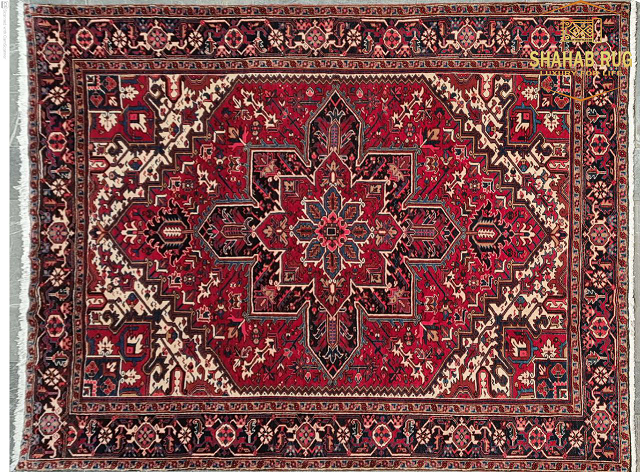
Among the myriad of styles that define the art of rug weaving, the Heriz carpet stands as a monument to strength and geometric beauty. Our featured piece, a stunning example of this tradition, boasts dimensions of 2.5 by 3.2 meters. This generous size makes it an ideal centerpiece for a living room, a stately dining area, or a grand foyer.
The scale of this Persian carpet allows the bold, architectural designs of the Heriz style to breathe and command attention. Its rectangular form, with its precise measurements, is perfectly suited for creating a defined and elegant space within a larger room. The sheer presence of a rug of this magnitude anchors the decor, adding a layer of sophistication and warmth that is simply unmatched.
This Persian carpet is not just an item of decor; it is an investment in lasting beauty, a piece that will be cherished for generations. The durability of a Heriz rug, combined with its powerful visual impact, makes it a perfect choice for those seeking both artistry and practicality. This particular Persian carpet is a statement of refined taste, a celebration of tradition woven into a modern, usable format.
The story of this magnificent Persian carpet begins in the ancient city of Heriz, located in the East Azerbaijan Province of Iran. This rugged, mountainous region has been a cradle of carpet weaving for centuries, with its unique style becoming one of the most recognizable and beloved in the world. Heriz carpets are renowned for their robust construction and distinctive geometric patterns, characterized by large, bold medallions and angular floral motifs.
The weavers of Heriz are masters of their craft, using a specialized weave that makes their carpets exceptionally durable. The city itself is a testament to the enduring spirit of Iranian artistry, where the loom is as integral to daily life as the bread oven. Heriz carpets are not merely products; they are the embodiment of the city’s soul, a reflection of its history and its people’s resilience. To own a Heriz is to own a piece of this city’s rich heritage.
Heriz is just one jewel in the crown of East Azerbaijan Province, a region that stands as the cradle of traditional rug weaving in Iran. The province is synonymous with high-quality, durable carpets that are exported all over the world. The legacy of craftsmanship in Azerbaijan is immense, making it a vital hub for the national art of carpet making. However, the province’s contribution to Iranian culture extends far beyond textiles. East Azerbaijan is also famous as the cradle of Persian nuts in Iran, producing some of the finest almonds, walnuts, and pistachios found anywhere in the country.
This dual heritage of artistry and agriculture defines the character of the region. The same fertile soil and favorable climate that nurture the finest nut orchards also sustain the communities of skilled weavers. The people of Azerbaijan are a testament to the rich tapestry of Iranian life, where the land and the handcraft are inextricably linked.
The vibrant Azari culture is a cornerstone of Iranian identity. As the largest ethnic minority in Iran, the Azeri people have enriched the nation with their unique language, music, cuisine, and, most notably, their artistic traditions. The art of carpet weaving is a central pillar of Azari culture, a practice that fosters community, patience, and artistic expression. The bold, geometric designs of Heriz and other Azeri carpets are a reflection of the strong and resilient character of the people.
This culture operates within the broader, magnificent framework of Iranian culture, a civilization that has continuously flourished for millennia. Iran, or Persia, is a land of immense cultural depth, where poetry, philosophy, and art are revered above all else.
The Persian carpet is a perfect metaphor for Iranian culture itself – a complex, beautiful, and intricately woven tapestry of diverse ethnic groups, historical narratives, and artistic traditions.
The creation of a Persian carpet is the ultimate expression of Iran’s art and craftsmanship. It is a craft that demands years of training, an intimate knowledge of natural dyes, and a profound patience that is almost meditative in nature. Iranian artisans are renowned worldwide for their skill in a multitude of disciplines, from miniature painting and calligraphy to metalwork and tile-making. However, the Persian carpet remains the nation’s most globally recognized and cherished art form.
In the heart of northwestern Iran lies the historic city of Zanjan, a place where time-honored traditions and exceptional craftsmanship converge to create some of the most beautiful artifacts in the Persian world. Zanjan, with its rich cultural heritage and deep historical roots, stands as a testament to Iranian artistry.
The name Zanjan evokes images of skilled artisans and the vibrant, enduring spirit of Persian culture. This city and its province serve as a cradle for the traditional rug, a position that speaks volumes about its significance in Iran’s cultural landscape. For centuries, Zanjan has been a vital center where the ancient art of carpet weaving has been not only preserved but also innovated, making it a vital part of the narrative of Persian carpet history. This legacy ensures that each piece woven here is not just a floor covering but a narrative woven in wool and dye.
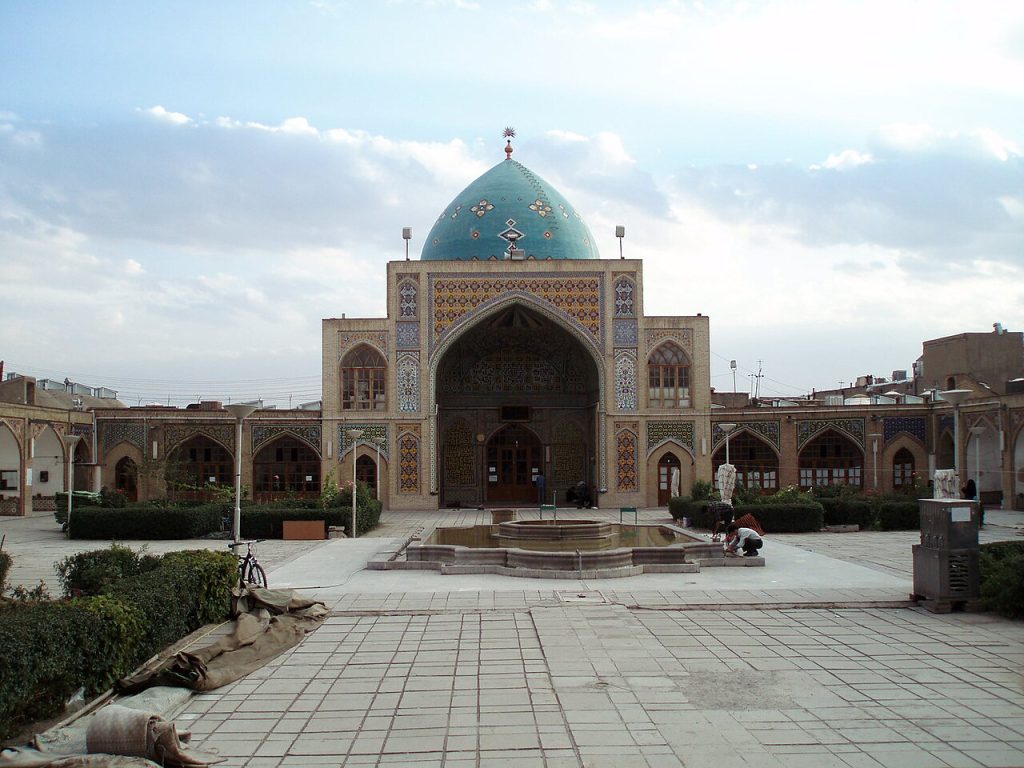
Zanjan Province, with its capital city of the same name, is a region of immense historical and cultural importance in Iran. It is a place where the traditions of many Iranian ethnic groups, including the Shahsavan, Afshar, Tat, Kurdish, and Bakhtiari communities, have intermingled to create a unique and diverse cultural tapestry .
This cultural mosaic is most beautifully reflected in the region’s handcrafts. The province is celebrated as a hub for metal handicrafts, producing thousands of tons of copperware and silver filigree annually, and is famously designated as a World City of Filigree . Beyond metalwork, Zanjan is also renowned as the cradle of the traditional Persian knife, a craft with deep historical roots that continues to be a point of pride for the region . This combination of textile and metal artistry highlights the province’s central role in preserving and advancing Iran’s artistic heritage. The Zanjani culture is one of resilience, creativity, and profound respect for the skills passed down through generations.
The art of the Persian carpet is an integral part of Iran’s cultural identity and history. With a legacy spanning nearly four millennia, the Persian carpet is more than a decorative item; it is a symbol of the Iranian people’s culture, spirit, and unparalleled creativity . Each knot tied and each pattern woven tells a story, often reflecting the history, nature, and everyday life of the region from which it originates . The craftsmanship involved is immense, often taking months or even years to complete a single piece using only the finest natural materials like hand-spun wool, silk, and cotton, dyed with extracts from plants and minerals .
This dedication to quality has earned Iranian carpets a prestigious place in museums and private collections worldwide . For the people of Zanjan, this ancient tradition is a living part of their daily lives, ensuring that the skills of their ancestors continue to thrive in the modern world.
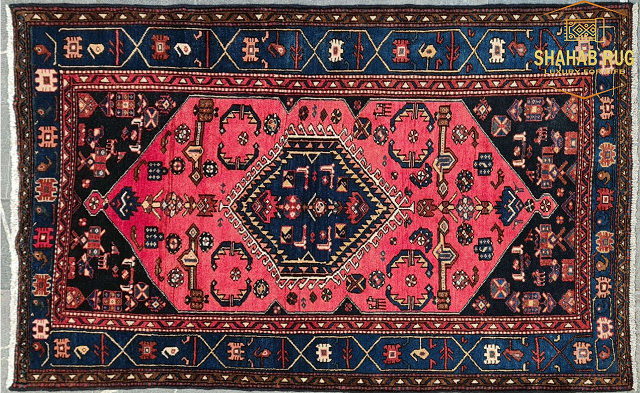
We are proud to present a stunning example of this rich tradition: a meticulously handcrafted Persian rug from Zanjan. With dimensions of 1.3 by 1.9 meters (approximately 4.3 by 6.2 feet), this rug is a perfect size to serve as a captivating centerpiece in any room, from a living area to an entryway. Its compact yet substantial size allows its intricate patterns to be fully appreciated.
The rug’s design is a testament to the bold geometric style for which Zanjan rugs are famous. It features a strong central medallion and corner design, known as Lachak-o-Toranj, a classic and symmetrical layout that provides a sense of balance and harmony . The primary colors are a rich, deep red and a profound navy blue, colors that form the vibrant backbone of many traditional pieces from the region . The weavers have masterfully employed a symmetrical design, creating a powerful visual impact.
The knots are tied by hand, a process that requires immense patience and precision, ensuring that this piece is both beautiful and durable, capable of lasting for generations .
What distinguishes a Zanjan rug from others is its powerful geometric clarity and visual precision . The patterns often incorporate repeating motifs, such as the Mahi (fish) motif, which is a common and cherished element in the region’s weaving tradition .
These motifs, arranged in straight, geometric patterns, are not simply decorative but are a form of visual storytelling, embodying the ancient Persia from which they originate . The art of weaving in Zanjan is performed without a draft, meaning the patterns come directly from the weaver’s mind, a skill passed down through generations of Zanjani artisans .
This unique characteristic ensures that no two rugs are exactly alike, each possessing a unique character and soul that reflects the personal artistry of its creator. The wool used is often hand-spun, giving the rug a natural softness, a characteristic shine, and remarkable durability .
The city of Zanjan and its surrounding villages are essential to the production of these magnificent works. In places like Zanjan, Tarom, and Abhar, the tradition of carpet weaving is a primary occupation for many villagers, a skill that supports families and keeps the cultural fabric of the community intact .
The weavers of Zanjan have honed their craft for centuries, creating rugs that are highly valued for their technical balance and durability. Owning one of these rugs means owning a piece of the rich cultural history of Zanjan, a tangible connection to the artistic spirit of Iran. This rug is not just an acquisition; it is an investment in a piece of living history, a celebration of the enduring artistic heritage of the city of Zanjan, and a testament to the skill of its people.
This Zanjan rug is more than a floor covering; it is a gateway to the rich history and vibrant culture of Iran. The Persian carpet is a silent language of the country’s culture, reflecting the elegance and creativity of its people . The patterns and colors within this rug echo the landscapes and traditions of Zanjan Province, from its majestic mountains to its bustling bazaars filled with the creations of master craftsmen. The very act of weaving a rug is a form of worship, a dedication to beauty and precision that is deeply ingrained in Iranian culture. The high knot density ensures that the detailed geometrical patterns are sharp and clear, a hallmark of high-quality, hand-knotted Persian rugs .
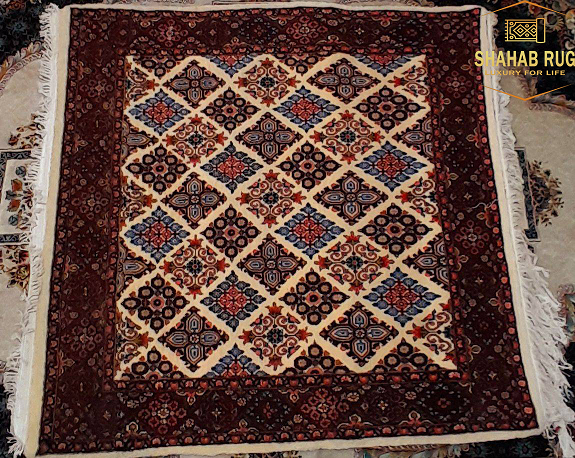
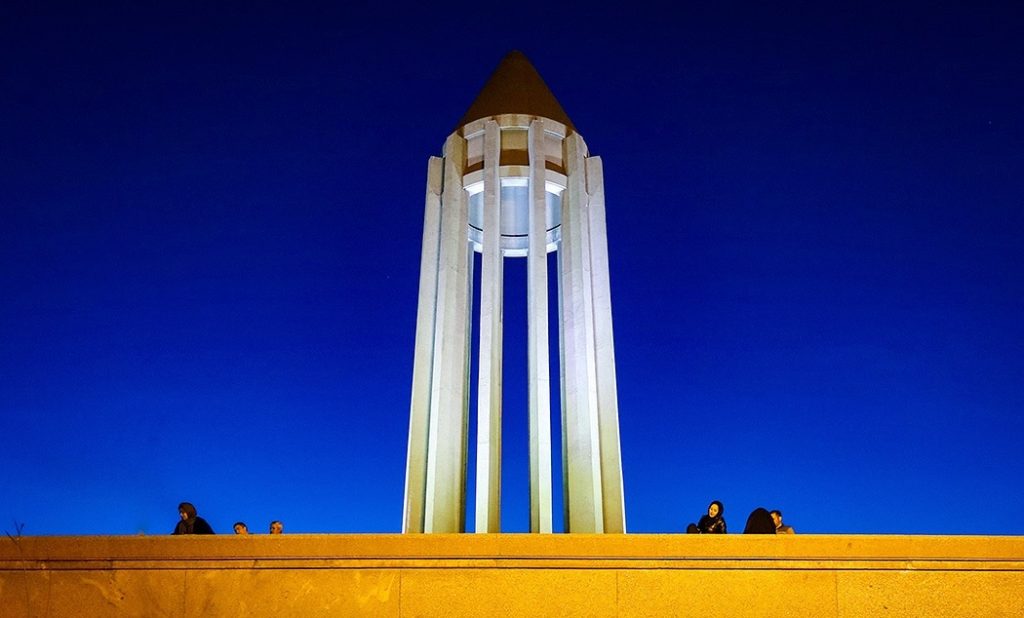
In the heart of western Iran lies a city that whispers tales of ancient civilizations and artistic mastery. This is Hamedan, a name that resonates through history as one of the world’s oldest continuously inhabited cities. When we speak of authentic Persian carpets, we are inevitably drawn to Hamedan, a cradle of traditional rug weaving that has shaped the very identity of Iranian craftsmanship for millennia. The city of Hamedan, with its rich cultural tapestry, offers more than just floor coverings; it offers a tangible connection to a glorious past.
As Zahra Khodaei , Technical Manager of Shahab rug stated : Hamedan’s reputation as a weaving hub is not merely a modern designation. It is a title earned over centuries, built upon the skilled hands of its diverse people.
From the Kurds and Lors to the Persians and Turks, each ethnic group within Hamedan province has contributed to a dazzling array of patterns and techniques. This melting pot of influences is precisely what makes a Hamedan Persian rug so distinctive. Unlike the ultra-refined, courtly carpets of central Persia, the weavings from this region possess a certain rustic charm, a boldness that speaks of mountain villages and nomadic traditions. They are sturdy, practical works of art designed for everyday life, yet imbued with profound cultural significance .
The cultural identity of the Hamedani people is deeply interwoven with their craft. For them, weaving is not just a profession; it is a language. The geometric medallions, the angular vine scrolls, and the recurring boteh (paisley) motifs are not random decorations.
They are symbols of protection, fertility, and the enduring spirit of a people who have thrived in the shadow of Mount Alvand for centuries . The vibrant scarlet reds, deep indigo blues, and earthy browns found in these rugs are drawn from the same land they inhabit, reflecting the rugged beauty of the Hamedan province’s landscape and its rich cultural heritage .
To appreciate the Hamedan Persian carpet, one must understand its physical character. The weavers of this region predominantly employ the symmetrical Turkish, or Ghiordes, knot, which creates a rug of exceptional durability and a thick, luxurious pile . A technical hallmark of many authentic pieces from the province is the use of a single weft thread between rows of knots, giving the rug a wonderfully textured, almost rustic feel .
This blend of strength and textural beauty makes these pieces ideal for areas in the home that see significant foot traffic while still maintaining their artistic integrity.
When considering the dimensions of such a masterpiece, the size becomes a crucial element of its narrative. A Hamedan rug measuring 1.4 by 1.4 meters is a perfect example of their versatility . This square format is a classic size within the region’s production, ideal for a small sitting area, an entryway, or as a striking focal point in a study or bedroom.
In a world of mass-produced, machine-made floor coverings, this 1.4 by 1.4 meter handwoven piece stands as a testament to the enduring value of human artistry and the unique character that only a Persian rug can impart to a space.
Looking beyond the city, the entire Hamedan province serves as a testament to the breadth of Persian art. It is not only a cradle of traditional rug weaving but also a cornerstone of Persian pottery in Iran .
The town of Lalejin, just 30 kilometers from Hamedan city, is a renowned center for ceramics, with hundreds of active workshops continuing a tradition that stretches back centuries .
This proximity of two great crafts highlights a cultural ecosystem where artistic innovation and tradition thrive side-by-side. Today, exports of Hamedan’s handicrafts, including its famed ceramics, continue to generate substantial revenue, underscoring the region’s vital role in Iran’s cultural economy . This synergy between the textile arts and pottery defines the artistic soul of the province.
This artistic prowess is a microcosm of Iran and Iranian culture as a whole. Iran’s art and craftsmanship is not a static relic of the past but a living, breathing tradition that continues to evolve.
From the exquisite miniature paintings to the intricate metalwork and the grand architecture of its mosques, the Iranian soul is expressed through an unparalleled dedication to beauty and detail . The Persian carpet, in all its forms, stands as the supreme achievement of this cultural ethos. It is a canvas that combines mathematics, poetry, and spirituality, a functional object elevated to the level of high art.
The legacy of master weavers, passing down their skills through generations, ensures that the timeless motifs and techniques of the Hamedan weavers, for instance, remain a source of national pride.
Indeed, the Persian rug is far more than a textile; it is the very soul of Iran woven into wool and dye. It represents a tradition where art and craft are inseparable, and where the weaver infuses their heart and history into every knot. When you purchase a Persian carpet, you are not just buying a floor covering; you are acquiring a piece of history, a fragment of Iranian culture, and a testament to the incredible skill of its artisans.
Ultimately, a Hamedan rug is the perfect gateway into this magnificent world. Whether it is the 1.4 by 1.4 meter piece that fits perfectly in a modern apartment or a larger tribal rug for a grand hall, these weavings carry with them the spirit of Hamedan and its people.
They are durable, authentic, and full of character, serving as a daily reminder of the ancient art of Persian carpet weaving and the rich, diverse cultural heritage of a land that has given so much to the world’s artistic legacy. Through them, the voices of the weavers from the mountains of Hamedan province continue to speak, telling stories of beauty, resilience, and unparalleled craftsmanship.
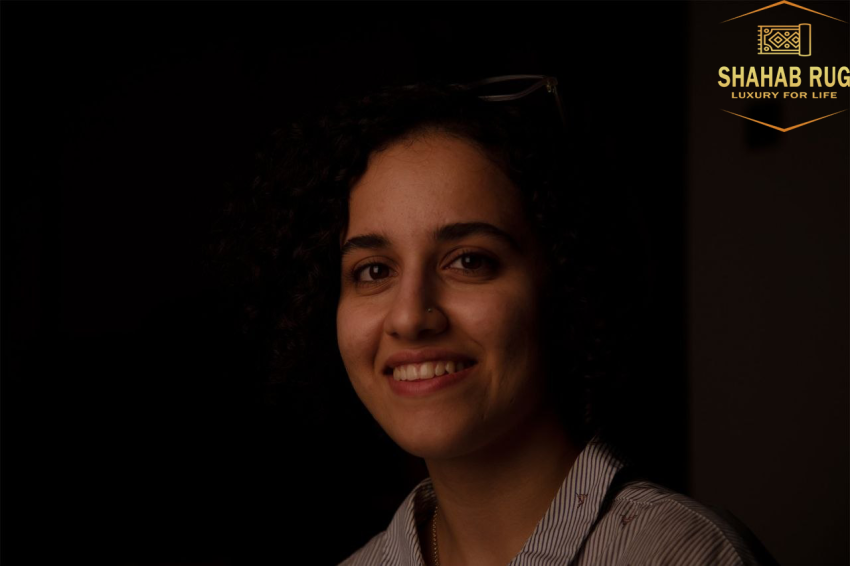
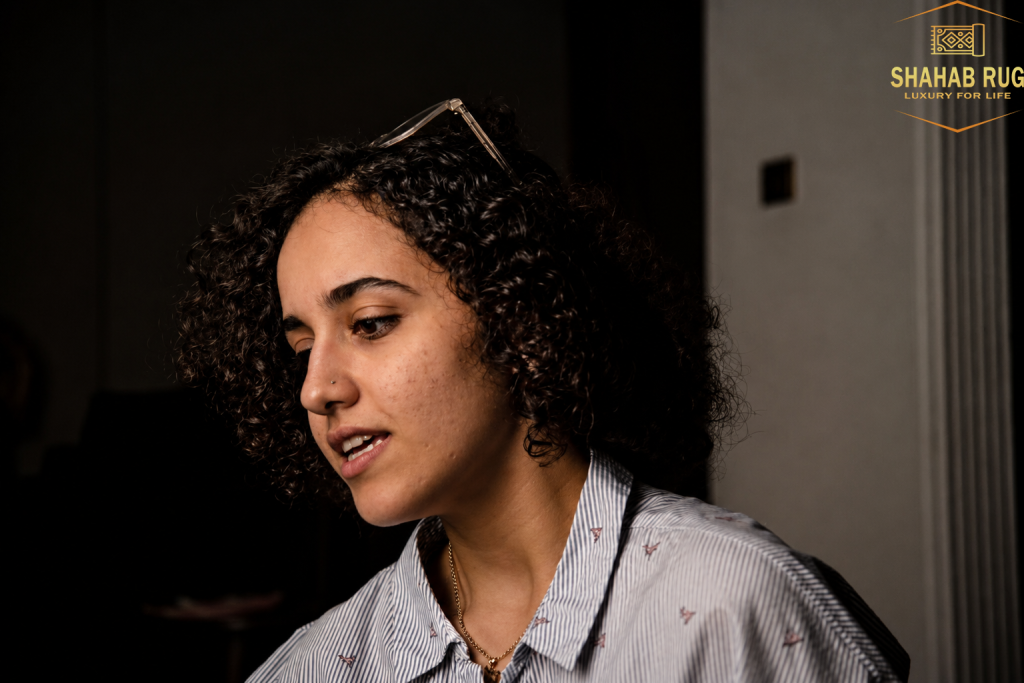
Today, we have the pleasure of sitting down with one of the key technical pillars of our team here at Shahab Rug , Zahra Khodaei. She is not only our go-to technical expert for all things related to hand-woven Persian Carpets, but she also brings a rare and invaluable expertise to our company.
A graduate of formal handcraft courses from SIU , she is a master of traditional crafts (Especially Persian Carpet) , with a deep and specialized knowledge in wooden art—from carving to inlay and restoration.
In her role as our in-house technical specialist, she bridges the gap between these two ancient crafts, ensuring that every Persian Carpet we handle meets the highest standards of authenticity and quality.
In this interview, we will explore her unique perspective on the beautiful and often overlooked harmony between wooden art and Persian carpets, and how these two mediums speak to each other through design, structure, and craftsmanship.
Shahab rug :
From a craftsman’s perspective, what visual and tactile harmony do you seek when pairing carved wooden furniture or architectural woodwork with a specific handwoven carpet design?
Zahra Khodaei :
For me, harmony begins with respect for both materials. Wood has a warm, grounding presence with its natural grain and texture, while a handwoven carpet brings softness and color. When pairing them, I look for complementary tones—for example, the rich amber of walnut wood resonates beautifully with earthy terracotta or indigo dyes in a carpet.
Tactilely, I seek contrast: the smooth, solid surface of carved wood against the plush, yielding pile of wool or silk creates a sensory dialogue that feels complete. I also consider motif alignment—if the wood features geometric or floral carvings, I prefer a carpet pattern that echoes those rhythms without competing. The goal is a room where neither element overpowers the other, but together they tell a story of craftsmanship and balance.
Shahab rug :
Can you walk us through a project where the pattern of the carpet was inspired by or intentionally mirrored the organic lines and motifs found in traditional Persian wooden inlay or carving?
Zahra Khodaei :
Absolutely. One of my most memorable projects involved a client who had a stunning antique wooden console table with intricate khatam (Persian marquetry) inlay—featuring delicate geometric stars and floral vinework. They wanted a carpet that would sit beneath it and feel like a natural extension of that piece. I worked closely with our design team to develop a carpet pattern that took the rhombus star motifs from the inlay and scaled them into the central medallion of the rug. We also softened the geometric edges with curving arabesque vines, mimicking the flow of wood grain itself.
The color palette was drawn from the woods used in the inlay—walnut brown, rosewood red, and ivory from bone inlay. When the carpet was finally laid beneath that table, it was as if the two pieces had been created together. The wood seemed to float above the carpet, and the carpet anchored the space with a quiet echo of the table’s artistry.
It was a beautiful reminder that these two crafts, though different in medium, speak the same visual language.
Shahab rug :
We wonder if you possibly do us a favour and inform us of latest progress in Shahab rug
Zahra Khodaei :
Our focus in the company is not mass production. We specialize in premium handmade pieces created by skilled artisans. Every product represents cultural heritage and meticulous attention to detail. We believe true luxury of Iran products which comes from authenticity.
In the nut shell , we want to show the world of Iran authenticity in Hand crafts which of course shows rich culture .
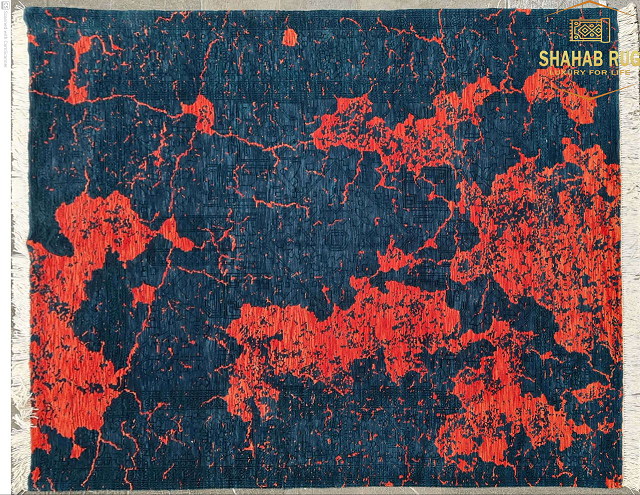
The Persian Carpet: A Woven Masterpiece of Culture and Art
The Persian Carpet is far more than a floor covering; it is a profound expression of Iranian art, history, and cultural identity. For centuries, these woven treasures have served as a canvas for the stories and souls of the Iranian people, with each knot representing a connection to a rich and ancient heritage. A Persian Carpet is a testament to the enduring legacy of Persian craftsmanship, a legacy that continues to thrive in cities like Tabriz, a true cradle of this timeless art .
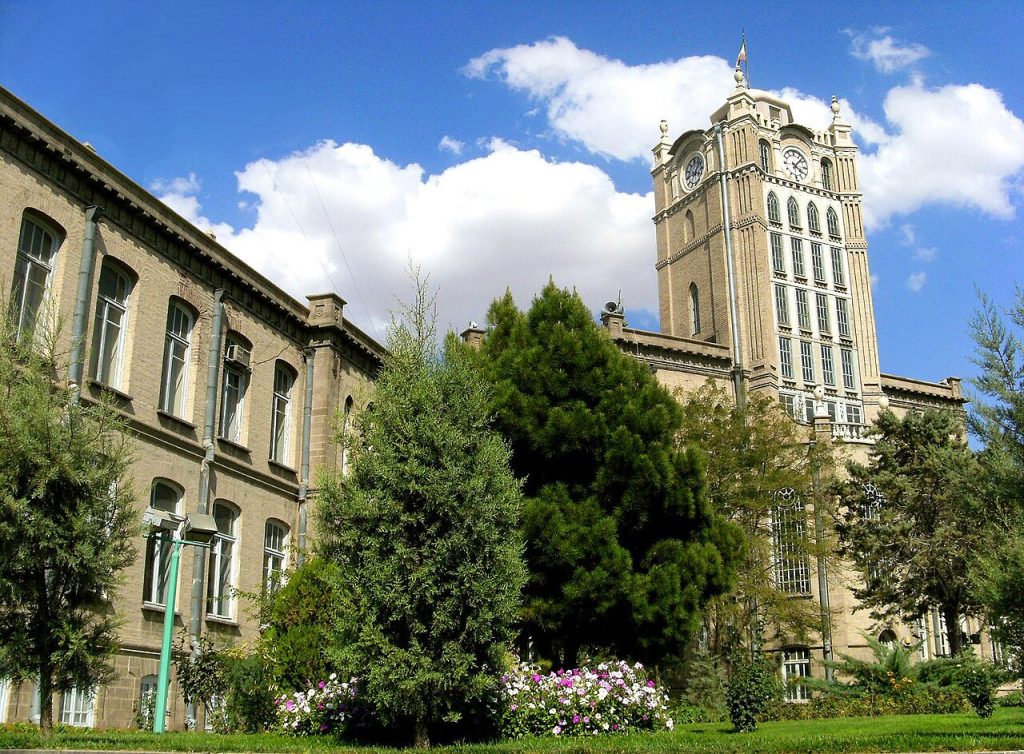
Tabriz: The Heart of Persian Rug Weaving
In the northwest of Iran lies the province of Azarbayejan, a region steeped in history and renowned for its vibrant cultural traditions. At its heart is the city of Tabriz, the capital of East Azarbaijan Province, which has been a world-famous center for carpet making for centuries . Tabriz is not only a pivotal city in the history of the Persian Carpet but also a cradle of traditional rug weaving, handcrafts, and even nuts in Iran. The city’s bazaar, a UNESCO World Heritage site, has been a vital artery on the Silk Road, with its Mozzafarieh Bazaar being particularly famous for its exquisite rugs .
This historic trading hub has played a significant role in making Tabriz synonymous with high-quality Persian Carpet production, a reputation it has held since the Safavid era when the art reached its cultural and economic climax .
The Art and Craftsmanship of Iran
The craft of weaving a Persian Carpet is a quintessential example of Iran’s broader artistic genius, which spans architecture, miniature painting, and metalwork. The art of the Tabriz Persian Carpet, for instance, is characterized by a harmonious blend of miniature painting and weaving, showcasing a high level of craftsmanship passed down through generations . The intricate patterns and diverse palettes of a Tabriz rug—ranging from dark reds and navy blues to ivy and soft pastels—highlight the exceptional artistic skills of the weavers .
This dedication to artistic expression is a hallmark of Iranian culture, where every object is an opportunity for beauty and storytelling. The skills required for such detailed work are often transmitted within families, ensuring the survival of these ancient traditions.
The Unique Charm of Persian Gabbeh
Within the vast world of Persian weaving, the Persian Gabbeh stands out as a distinct and beloved type. Unlike the finely detailed city rugs of Tabriz, a Gabbeh is a traditional variety known for its coarse quality, thick pile, and abstract, minimalist designs . The word “Gabbeh” itself means “raw” or “natural,” reflecting the rug’s primitive and unpretentious character .
Woven by nomadic tribes such as the Qashqai and Luri in the Zagros Mountains, these rugs are crafted by women who pour their heritage and personal memories into the design . Featuring bold, geometric patterns and bright, natural colors, a Persian Gabbeh is like a piece of folk art, telling stories of the weaver’s life and surroundings, making it a cherished and unique addition to any home .
The Dimensions and Heritage of Azarbayejan
A typical Persian Carpet from Tabriz, such as one with the dimensions of 2 by 2.3 meters, is a substantial piece of art that can command a room. This size allows for the intricate, detailed designs that Tabriz is famous for, including medallions and corner quarters known as Shah Abbasi or Islimi patterns . The city of Tabriz produces an incredible diversity of types, with knot densities ranging from a bazaar quality of 24 raj to an incredibly fine 110 raj, showcasing the skill and dedication of its weavers .
Azarbayejan Province, with its capital in Tabriz, is the beating heart of this tradition. The Azari culture, which is a rich part of Iranian culture, is deeply intertwined with the production of these rugs . The resilience of the people of Azarbayejan, who have preserved this art despite historical upheavals, is reflected in every Persian Carpet they create .
A Piece of Iran for the World
Ultimately, a Persian Carpet, whether the sophisticated, intricately woven product of a Tabriz workshop or the charmingly simple Persian Gabbeh of a nomadic tribe, is a tangible piece of Iran’s soul. It embodies centuries of Iranian culture, the artistic spirit of its people, and the rich history of a land that has been a crossroads of civilization for millennia.
When you bring a Persian Carpet into your home, you are not just buying a rug; you are acquiring a timeless piece of art, a story woven in wool and silk, and a lasting connection to the heart of Persian culture.
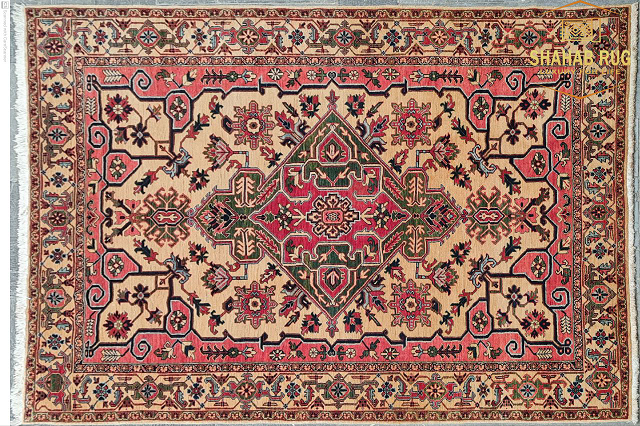
In the world of fine floor coverings, few names command the respect and admiration that Heriz does. Heriz rugs are a distinguished style of Persian carpet, originating from a cluster of farming villages in the far northwest of modern Iran. The eponymous town of Heriz (also spelled Heris) is situated in the East Azerbaijan Province, on the slopes of the mighty Mount Sabalan. This region is not just a point on a map; it is a cradle of a distinct weaving tradition that has captivated the world for over a century. The durability and striking beauty of a Heriz Persian carpet lie at the heart of its enduring legacy.
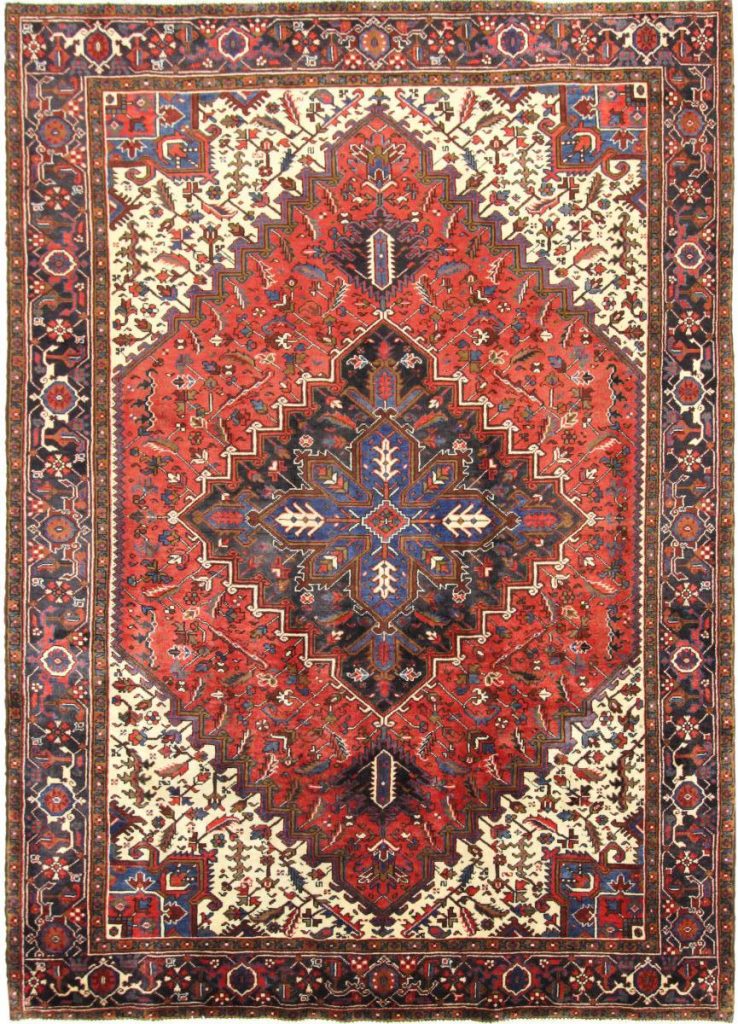
The story of the Heriz village is one of resilience and artistry. This small settlement, with a population of just over a thousand people, became a powerhouse of rug production in the 19th century. It is said that enterprising merchants from the nearby city of Tabriz saw the potential in the local weavers, who were skilled in the angular, geometric styles of nomadic tribes. These merchants provided them with city designs and asked them to produce large-scale carpets for a growing Western market.
The result was a remarkable fusion: the sophisticated layouts of Persian court carpets translated into the bold, graphic language of the village weaver. This is the essence of a Heriz, a rustic, charming village Persian carpet with a richness and grandeur equal to the finest city pieces.
The influence of Tabriz on Heriz cannot be overstated. Tabriz, the capital of East Azerbaijan Province, is one of the oldest and most important rug-weaving centers in the world, with a tradition dating back to the 16th century.
Its weavers were renowned for their intricate, curvilinear floral designs. The impact of the Tabriz rug trade on Heriz is evident; the smooth, flowing medallions of Tabriz were adopted by Heriz weavers but reimagined with hard, geometric angles and broken contours. Today, Heriz carpets and rugs are a testament to this cross-pollination of ideas, a country version of the refined city styles that found their own unique identity.
The durability of a Heriz Persian carpet is legendary, earning it the affectionate nickname “the Iron Rug of Iran”. This toughness is not merely a result of skillful weaving but is also attributed to the unique geography of the Heriz region.
Mount Sabalan, near which the village of Heriz sits, is rich in copper deposits. It is believed that traces of this copper in the drinking water of local sheep produce a wool that is exceptionally resilient, far more so than wool from other areas. A single Heriz rug can take over 1,500 hours of artisanal handiwork, a testament to the dedication and skill of the weavers. This high-quality wool, combined with a robust, all-wool pile on a cotton foundation, creates a floor covering that can last for generations.
To understand the Heriz rug is to understand the Azari culture that produces it. The population of the Heriz region is of Azeri origin and speaks a Turkic dialect. The carpet-weaving traditions of this area are a fusion of the skills of these settled peoples and the nomadic Azerbaijani Shahsevan tribes who have historically roamed the region.
This cultural heritage is woven into every Heriz carpet. Weavers often create their designs from memory, telling stories of the past through traditional tribal shapes, patterns, and significant moments in the arts and history of Persia. The bold, geometric motifs are not just decorative; they are a visual language, a connection to a rich cultural identity that has been passed down through generations.
The broader context of Iran and Iranian culture is essential to appreciating the Persian carpet. The art of carpet weaving in Iran is believed to extend back to as early as 500 BCE. The Persian carpet is an inseparable item from Iranian art and culture, one of the most distinguished manifestations of the nation’s identity. It is a symbol of art and creativity, embodying a part of Iran’s authentic identity and acting as an ambassador of its rich history to the world.
The motifs and patterns of a Persian carpet of ten convey a message representing the current culture, history, and architecture of the time. In this grand tapestry of Iranian art, the Heriz holds a special place as a beloved and iconic village style.
Iran’s art and craftsmanship are world-renowned, and the Persian carpet stands at the pinnacle of this tradition. Iranian handicrafts are a rainbow of diversity, including the Persian Carpet, Minakari, miniature painting, Khatamkari, and Ghalamzani. However, it is the Persian carpet that has perhaps the greatest global recognition.
The exceptional craftsmanship involved in weaving these carpets has caught the attention of travelers and historians for centuries. The skills and techniques are passed down through generations, ensuring the survival of this ancient art form. When you look at a Heriz Persian carpet, you are seeing the culmination of centuries of Iranian craftsmanship, a piece of living history.
Tabriz, the cradle of traditional rug weaving in Iran, is also a celebrated center for Persian cuisine. Just as the city is renowned for its intricate carpets, it is equally famous for its culinary delights. Dishes like Kufteh Tabrizi, a giant, flavor-packed meatball, are central to the city’s cultural identity. The traditional foods, sweets, and nuts of Tabriz are a vital part of its heritage, each carrying stories of the past and the expertise of its cooks. In Tabriz, the art of the table and the art of the loom are two sides of the same cultural coin, both representing the rich, multifaceted nature of Iranian life.
This connection between the exquisite Heriz rug and the savory Kufteh Tabrizi illustrates the depth and richness of Iran’s cultural contributions.
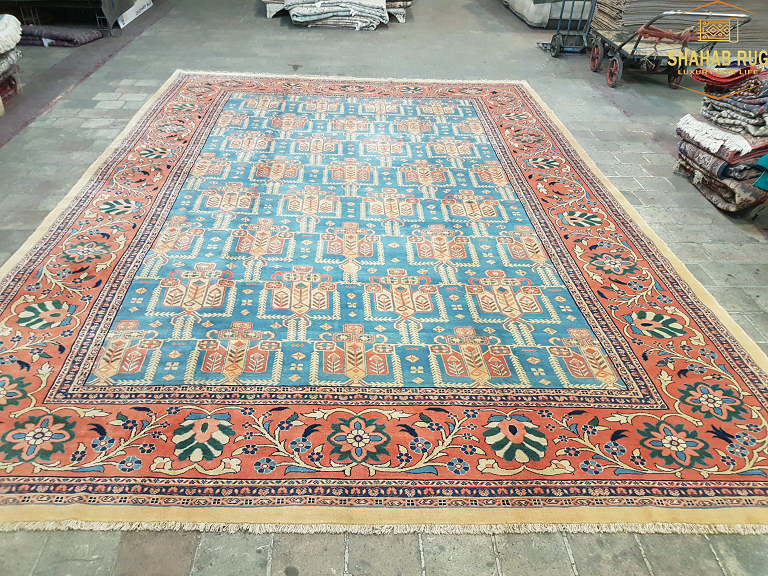
The Majestic Soltan Abad Persian Carpet: A Journey into Shirazi Heritage
Soltan Abad is more than a name on a weaving map. Soltan Abad carries the scent of orange blossoms and the echo of nomadic looms. In the first tenth of our journey, Soltan Abad stands as our gateway into a rich tradition of Persian carpet weaving. Soltan Abad is a village near Shiraz, and its rugs are among the most beloved in the world. To understand Soltan Abad is to understand the soul of southern Iran.
The village of Soltan Abad lies in the green outskirts of Shiraz, within the legendary Fars Province in Iran. Unlike the more famous Soltan Abad of central Iran (now Arak), this Soltan Abad is a quieter, smaller settlement. Here, life moves slowly. Goats graze on mountain slopes, and women gather under mulberry trees to weave. Soltan Abad weavers have always favored bold, tribal designs over fine city patterns. Their rugs are fearless—full of diamond medallions, stylized animals, and deep crimson fields.
The specific Persian carpet we are examining today is monumental. Its dimensions are 3.8 by 5.5 meters—a true palace size. This Persian carpet from Soltan Abad can fill a large reception hall, a hotel lobby, or a grand living room. At 3.8 * 5.5 m, it commands attention without overwhelming. The sheer scale allows the weaver to tell a complete story: rows of nomadic tents, cypress trees, and protective amulets woven into the border.
Soltan Abad rugs differ sharply from their northern cousins. Where a Kashan rug might show delicate arabesques, a Soltan Abad rug shows bold, hooked diamonds. The wool is thicker, the knots are coarser, and the colors are more dramatic. This is not a rug for shy interiors. This is a Persian carpet that announces itself. Yet within that boldness lies deep sophistication. The weavers of Soltan Abad understand balance. Every large motif is echoed by a smaller counterpoint. Every red field is cooled by indigo or ivory.
Now let us travel to the Fars Province in Iran. Fars is the historical heart of Persia. It is the land of Persepolis, of Cyrus the Great, of ancient fire temples. The Fars Province in Iran has been a center of weaving for over 2,500 years. Nomadic tribes—the Qashqai, the Khamseh, the Luri—have passed through these valleys for centuries. Each tribe left its visual language on the looms of villages like Soltan Abad. So when you buy a Soltan Abad rug, you are not buying a single village product. You are buying a tapestry of tribal memory.
Shirazi Culture is inseparable from the art of the Persian carpet. Shiraz is the city of poets—Hafez and Saadi—and of gardens, wine (historically), and hospitality. But Shirazi Culture is also practical. The people of Shiraz have always been traders, farmers, and weavers. A Shirazi home is incomplete without a floor covering. In Shirazi Culture, guests remove their shoes not out of formality but out of respect for the woven treasure beneath. The Soltan Abad rug embodies this respect. It is made to be walked upon, slept on, and prayed over for generations.
Shirazi Culture values poetry as much as craft. When a weaver in Shiraz ties a knot, she might recite a verse from Hafiz. The rhythm of the poem matches the rhythm of the loom. This fusion of word and weave is unique to Fars. In no other province does literature so directly enter the Persian carpet. That is why a Soltan Abad rug feels different underfoot—it carries a musical, lyrical quality.
We must also speak of Iran and Iranian Culture as a whole. Iran is not a single style. It is a spectrum from the Caspian Sea to the Persian Gulf. Iranian Culture celebrates diversity within unity. The Persian carpet is the strongest symbol of that unity. Whether a rug comes from Soltan Abad or Tabriz or Kerman, it is immediately recognizable as Iranian. The shared language of geometry, nature, and abstraction binds them. Iranian Culture also prizes tarof (polite formality) and nazariyeh (contemplation). A Persian carpet invites contemplation. You can stare at a Soltan Abad field for hours, discovering new motifs in the repetition.
Iran’s art and craftmanship are among the oldest continuous traditions on earth. From Achaemenid stone carving to Safavid miniature painting, Iran’s art and craftmanship have never suffered a true break. The Persian carpet is the living branch of that tree. In Soltan Abad, Iran’s art and craftmanship are preserved without museums or galleries. They live on the floor of a shepherd’s tent. Iran’s art and craftmanship emphasize ostadi (mastery) and saburdi (patience). A single Soltan Abad rug of 3.8 * 5.5 m can contain over two million knots. Each knot is a small act of patience. Each row is a meditation.
Let me make a crucial point about Shiraz itself. Beyond wine and poetry, Shiraz is the cradle of traditional rug as well as Persian Faloodeh in Iran. Yes, the same city that gives us the rug also gives us the world’s most refreshing frozen dessert. Faloodeh—rice noodles suspended in rosewater-scented sorbet—was perfected in Shiraz centuries ago. And the village of Soltan Abad, just outside the city, contributed its own genius to the weaving tradition. So when you enjoy a Soltan Abad rug, you are tasting, metaphorically, the same creative energy that produced Faloodeh. Both are balanced. Both are labor-intensive. Both bring joy.
Returning to our magnificent 3.8 * 5.5 m Persian carpet from Shiraz : the border alone is a masterpiece. It features the traditional herati pattern (a fish inside a diamond) repeated along all four sides. The main field is a deep madder red, with a central medallion shaped like a stylized sun. Four corner spandrels anchor the design. The wool is hand-spun, which gives it a slightly uneven, lustrous surface. Unlike machine-made rugs, this Soltan Abad rug will soften with age and wear. Its value will increase, not decrease.
To conclude: this Persian carpet of 3.8 * 5.5 m is not a mere floor covering. It is a document of Fars Province in Iran. It is a handshake from Shirazi Culture. It is a monument to Iran’s art and craftmanship. And it carries the quiet pride of Shiraz—a village that, alongside giving the world Faloodeh, gave the world one of the most soulful rug traditions ever woven. When you unroll this Soltan Abad masterpiece, you unroll centuries. Walk gently. But walk with joy.
Of all the timeless treasures born from the cradle of Persian civilization, few speak as softly and as powerfully as the handwoven Persian carpet. To walk upon a Persian carpet is to tread across centuries of storytelling, nomadic memory, and the patient geometry of the desert garden. Among the most revered families of these woven wonders lies a name that resonates with purists and collectors alike: Farahan. It is not merely a pattern or a weaving technique; it is a place, a people, and a philosophy stitched into wool and cotton. When you hear Farahan, you must think of rust-colored fields, tiny repeating motifs, and a certain unpretentious dignity.
In the first tenth of our journey today, Farahan stands as our guiding star, for without understanding this county, one cannot fully grasp the soul of provincial Persian weaving.
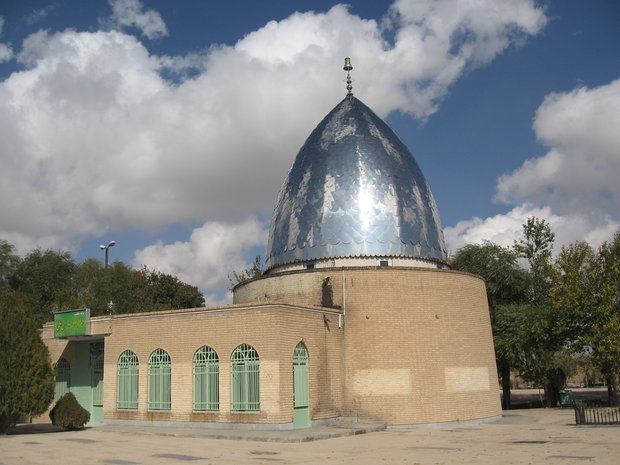
The village of Farahan sits nestled within the wider Arak Province in Iran, a region historically known as the land of sturdy looms and resilient craftsmanship. Farahan itself is a quiet cluster of mud-brick homes and narrow alleyways, yet its name echoes across the world’s great auction houses. Located southwest of Tehran, the Arak Province has always been a crossroads of nomadic tribes and settled villagers, and Farahan became the beating heart of this weaving belt. In the workshops , generations of weavers developed a distinctive aesthetic defined by high knot density and geometric precision. To this day, a genuine Farahan rug carries a level of sobriety that more flamboyant city rugs sometimes lack.
The people of Farahan never sought to dazzle with gold or silk; they chose instead to impress with subtle harmony and endurance.
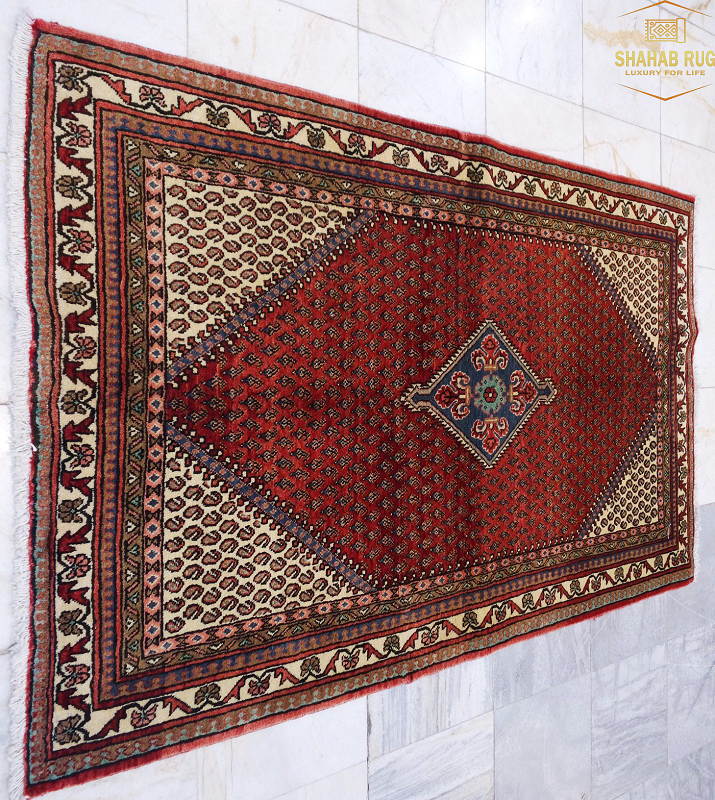
The specific product we are considering today measures 1.28 by 2.08 meters —an ideal size for a room’s center or a hallway’s dignified anchor. This Persian carpet from the tradition is neither too large to overwhelm nor too small to be dismissed. Within its compact field, you will find the classic all-over pattern known as mah-e gozaar (lamb’s foot or small hook) repeated in quiet rows. The color palette draws from madder root for rust-reds, indigo for deep blues, and natural beige for the unbleached cotton foundation. Because the rug measures exactly 1.28 * 2.08 m, it fits perfectly before a fireplace, under a modest dining table, or as a layered piece over wall-to-wall carpeting.
Every square centimeter of this Persian carpet carries the memory of Farahan’s cold winters and the warm hands that knotted it.
To speak of this county is to speak of the broader Araki Culture. The Arak Province, historically called Erak or Sultanabad, developed a unique cultural identity distinct from Tehran or Isfahan. Araki Culture is pragmatic, hardworking, and deeply rooted in village self-sufficiency. While Isfahan produced royal showpieces, the people of Arak produced rugs for daily life—durable, washable, and full of quiet charm. Araki Culture also values hospitality and simple, hearty foods. In the village of Farahan, women would weave rugs in the morning and prepare dolmeh in the afternoon.
Indeed, Farahan is the cradle of traditional rug as well as Persian Dolma in Iran. Yes, you read that correctly: the same village that gave the world the subtle Farahan rug design also perfected the art of stuffing grape leaves with rice, herbs, and minced meat. In Farahan, the coiled patience of weaving a row of knots mirrors the patience of rolling a perfect dolma. This dual heritage—textile and culinary—makes Farahan a symbol of holistic Iranian village life.
Now let us widen the lens to Iran and Iranian Culture. Iran is not a monolith of desert and mosque; it is a mosaic of ethnicities, climates, and artistic dialects. Iranian Culture places immense value on mehman-navazi (hospitality), honar (art), and pishineh (history). A Persian carpet is the ultimate expression of these values. When an Iranian family unrolls a rug, they are not covering a floor; they are defining a space of gathering, eating, sleeping, and praying. The Persian carpet is Iran’s second skin. Iranian Culture also reveres poetry, miniature painting, and calligraphy.
In many ways, the rug is the calligraphy of village art—repetitive, disciplined, yet full of inner rhythm. You will find no wild animals or hunting scenes in a classic Farahan; instead, you find meditative order. That order reflects a core Iranian belief: beauty emerges from pattern, not chaos.
Iran’s art and craftsmanship are legendary, from the tilework of Isfahan’s mosques to the silver inlay of Shiraz. Yet the most democratic of all Iranian arts is the Persian carpet. Almost every Iranian village once had a loom. Iran’s art and craftmanship are passed from mother to daughter without written manuals. In this county, a young girl would learn to tie a Senneh knot (asymmetrical) before she learned to read. Iran’s art and craftmanship are not confined to museums; they breathe in the floor covering of a nomad’s tent. The rug exemplifies this living tradition.
Because Iran’s art and craftmanship emphasize function as much as ornament, the Farahan design never sacrifices durability for flair. The wool is hand-carded, the dyes are vegetable-based, and the cotton warp is stretched with just the right tension. Every weaver in Farahan knows that a rug will outlive its maker; thus, each knot is a conversation with the future.
Let us return to the village. It lies in the Markazi (Central) Province, but historically it was part of the greater Arak region. The name Farahan itself is believed to derive from an ancient term meaning “abundance of water,” though the area is now semi-arid. Despite the harsh conditions, the people of Farahan developed an agricultural and weaving economy that sustained them for centuries. Farahan never had a royal court or a famous madrasa.
What Farahan had was an unwavering standard. Even today, antique rugs command high prices because of their structural integrity. The village’s weavers used a cotton foundation and a medium-to-long pile, which makes the rug both resilient and soft. If you ever visit Farahan, you will see old women sitting on their porches, fingers flying over small looms, producing rugs that look almost identical to those made two hundred years ago. That continuity is the true miracle.
In the context of the Persian carpet market, Farahan occupies a special niche. It is not a court rug like the silk Isfahan, nor a tribal explosion like the Gabbeh. Farahan is the rug of the educated middle class—the scholar, the curator, the person who values subtlety over status. The Persian carpet from Farahan pairs beautifully with minimalist decor because its detailed yet small-scale pattern reads as texture from a distance. For a rug measuring 1.28 * 2.08 m, the design uses a scale of motif that makes the room feel larger, not busier. That is the secret of Farahan: it breathes.
And so we circle back to where we began: Farahan as cradle. This county is the cradle of traditional rug as well as Persian Dolma in Iran. That phrase is not a mere marketing slogan. It means that when you place a Farahan rug on your floor, you are also placing a piece of culinary memory—the scent of herb-stuffed grape leaves, the laughter of a village gathering. Farahan teaches us that the highest art is the one woven into daily life. Whether through a pot of dolma simmering on a hearth or a Persian carpet spread underfoot, Farahan whispers the same truth: beauty must be lived.
So when you acquire a Farahan rug of 1.28 * 2.08 m, you are not buying a decorative object. You are adopting a heritage. You are saying yes to the weaver’s knot, the dyer’s recipe, the village’s patience. You are bringing Iran and Iranian Culture into your home—not as a distant exoticism, but as a warm, honest presence. And that, ultimately, is what a Persian carpet from Farahan has always offered: a handshake across time.
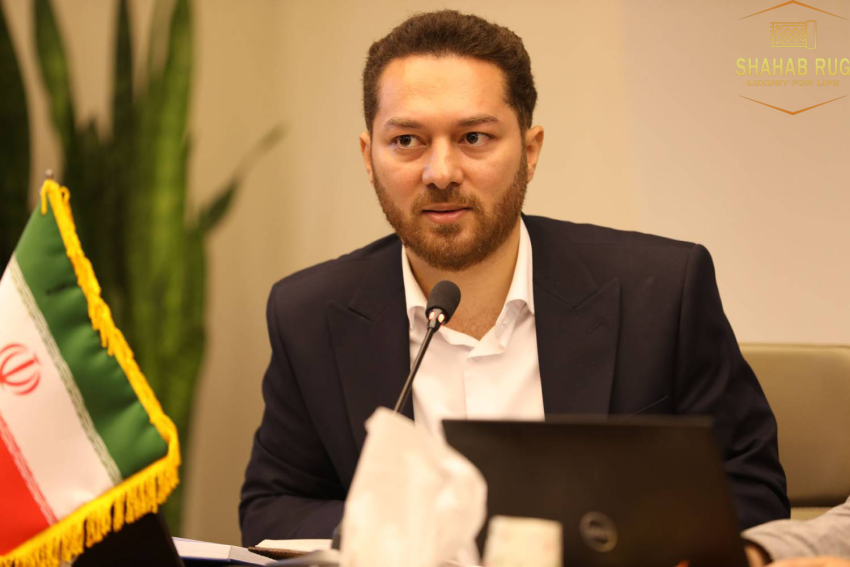
In a world increasingly dominated by fleeting trends, the Persian handwoven carpet stands as a quiet yet powerful testament to value of authenticity.
To explore the soul behind this ancient craft and understand why Persian rugs remain irreplaceable, we sat down with Meysam Masoodian , the Technical expert of Shahab rug Company. With years of expertise rooted in both traditional values and modern business ethics, Meysam Masoodian shares with us what truly sets authentic Persian rugs apart
Join us as we step into the world of artistry :
1.Why Persian Rugs Will Never Decline
In a word: anything that respects human dignity has a future and the motifs of Persian rugs carry precisely such a spirit.
In a world where modern humanity faces loneliness the Persian rug carries a message that never grows old love, meaning, respect, human connection, and honesty.
The Persian rug is a response to the lost existential need for meaning in today’s human being.
For this very reason, it will not decline , rather, as humanity returns to authenticity, it will become even more valuable.
2. How can a foreign buyer trust the authenticity and origin of a carpet in today’s market
We believe that a good feeling is incomplete without trust.
Our approach to customer interaction is built on the following principles:
✅ Transparent legal and commercial standards, including formal, documented dealings
✅ Physical and accessible presence , a permanent official office in Tehran and Tabriz
✅ Specialized human capital, characterized b Experts in rug assessment
Our vision for our relationship with you is ambitious : we are not seeking short-term transactions; we are seeking lasting partnership.
3. What is the one question about Persian carpets that foreign customers never ask, but should ?
With all humility, we must say : true trust is built when the customer is fully informed from the very beginning. Therefore, we would like to draw your attention to a few considerations, so that you can find the piece you love with full awareness:
Each rug suits a specific spirit and purpose, manifesting itself within a distinct taste. You can tell us about your needs and personal preferences, and our team will guide you according to that very taste.