
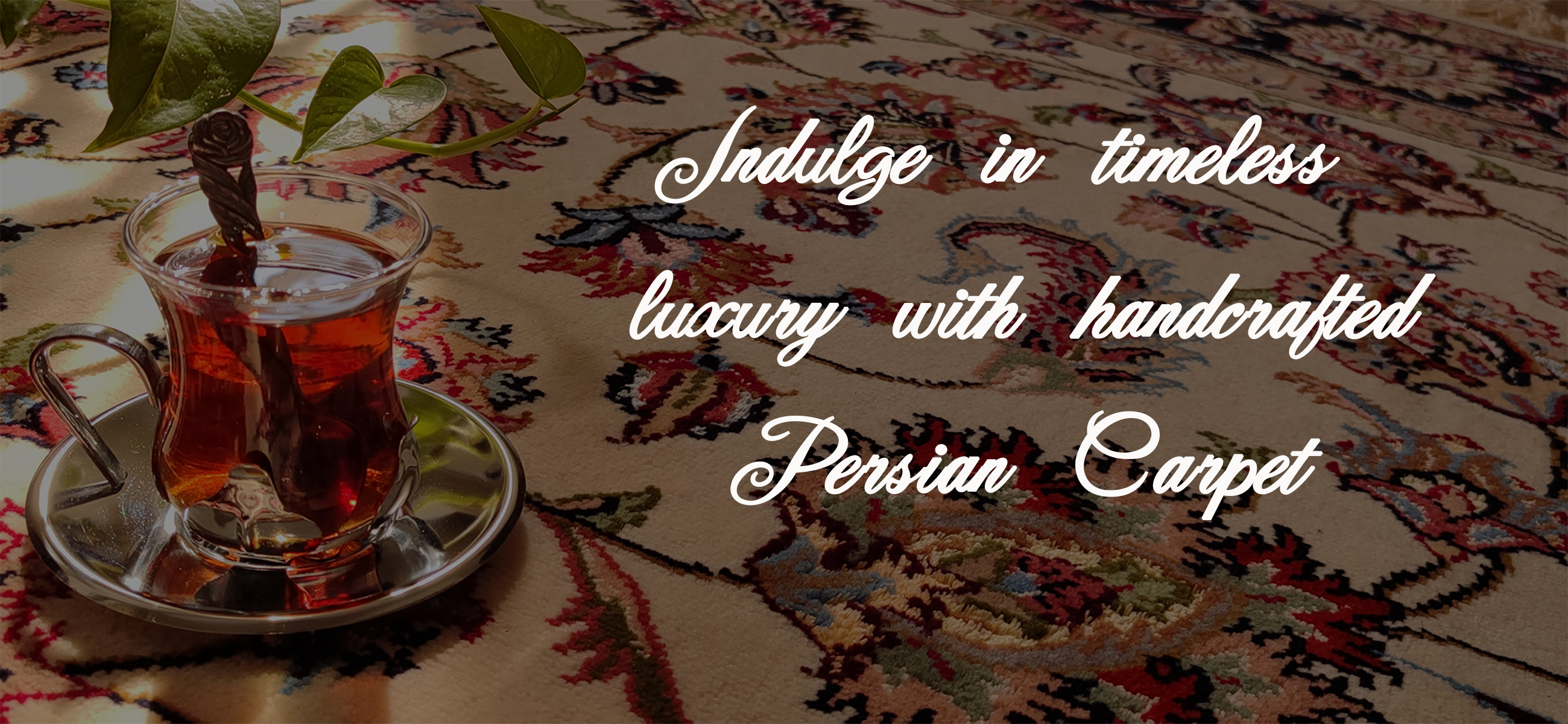
The Enduring Legacy of the Persian Carpet
The Persian Carpet is not merely a floor covering; it is a woven history of Iran. It represents centuries of culture, artistry, and tradition. For the people of Iran, it is a symbol of identity and pride. This intricate art form tells stories of ancient dynasties and nomadic tribes. It connects the past to the present in every knot and thread.
Iran and the Cradle of Culture
Iran, historically known as Persia, is a land of rich heritage. Its culture is a tapestry of diverse influences. The Persian Carpet is a central thread in this cultural fabric. It reflects the soul of the nation. The artistry is deeply embedded in Iranian daily life and spirituality.
The Art and Craftsmanship of Iran
Iranian craftsmanship is legendary. From miniature painting to tile work, the attention to detail is extraordinary. The Persian Carpet is a prime example of this dedication. Weavers, often women, spend months or even years on a single piece. They use traditional knowledge passed down through generations. This is not just labor; it is a form of profound artistic expression.
The Famous Types: Salari and Khatibi Rugs
Within the vast world of Iranian weaving, specific styles stand out. The Salari type and the Khatibi type are renowned. Both mentioned rugs, Salari and Khatibi, are famous Persian types of rugs. They represent the pinnacle of specific regional weaving traditions. Each has a unique character that collectors cherish.
The Salari Persian Carpet
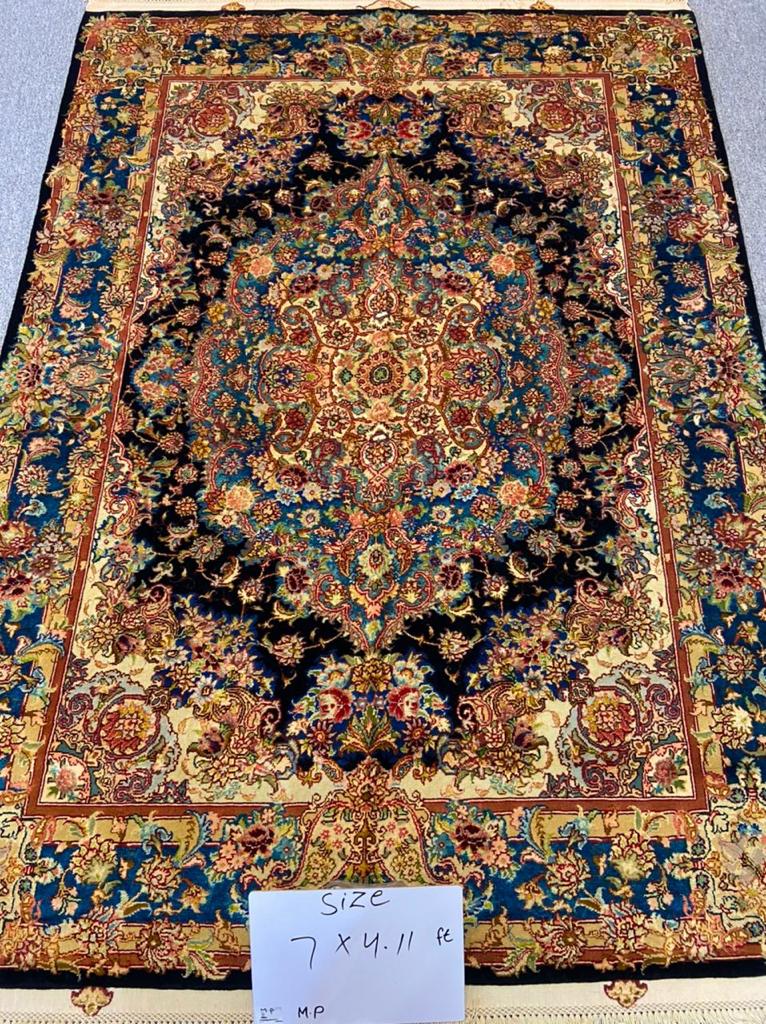
The Salari style is known for its bold geometric patterns and rich colors. These rugs often feature large medallions and strong borders. The designs are striking and majestic. A Salari Persian Carpet brings a sense of grandeur to any space. Its robust weave and design make it a true statement piece. The craftsmanship is evident in every symmetrical motif.
The Khatibi Persian Carpet
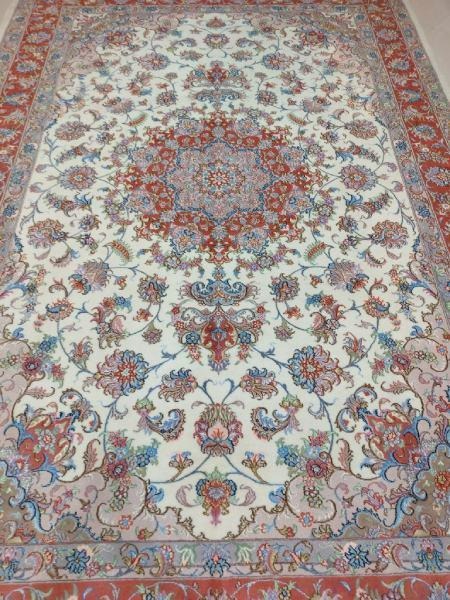
The Khatibi style offers a different aesthetic. It is often associated with more curvilinear and floral designs. The patterns can be delicate and intricate. A Khatibi Persian Carpet exudes elegance and sophistication. The color palettes are often softer and more varied. This style appeals to those who appreciate fine, detailed artistry. The precision required to weave such a piece is immense.
The Persian Carpet as a Global Ambassador
The Persian Carpet has travelled far beyond Iran’s borders. It is a global ambassador for Iranian art. In homes and museums worldwide, these rugs are admired. They are valued for their beauty and durability. A Persian Carpet is often a family heirloom, passed down with love. Its value increases with age and the story it tells.
Symbolism and Meaning
Every Persian Carpet is rich in symbolism. The colors and motifs are not arbitrary. They often represent religious beliefs, poetry, or nature. For instance, the tree of life motif symbolizes eternity. The garden pattern represents paradise. These symbols transform a rug into a narrative. The weaver’s personal story is woven into the fabric.
The Weaving Process
The creation of a Persian Carpet is a labor of love. It begins with the finest wool, silk, or cotton. Natural dyes from plants and insects create vibrant, lasting colors. The weaver follows a “cartoon,” a detailed pattern map. Knot by knot, the design emerges on the loom. This meticulous process can take years. The result is a unique piece of art, unmatched by machine-made rugs.
Preserving a Heritage
Today, the art of the Persian Carpet faces challenges. Modernization and economic pressures threaten traditional weaving. However, efforts are underway to preserve this heritage. Organizations support weavers and promote fair trade. By valuing the Persian Carpet, we support Iranian culture and artisans. We help keep this ancient art form alive for future generations.
The Persian Carpet in the Modern World
In the modern world, the Carpet adapts. Contemporary designers incorporate its motifs into new styles. Vintage rugs are repurposed and celebrated. The rug is no longer just a floor covering. It is a piece of decor, a conversation starter, and an investment. Its timeless appeal ensures its place in modern interiors. The legacy of the Carpet continues to evolve.
A Final Reflection on the Persian Carpet
To conclude, the Salari & Khatibi Carpet are masterpiece of human creativity. It embodies the spirit of Iran. It showcases the incredible skill of Iranian artisans. From the majestic Salari to the elegant Khatibi, each rug is a treasure. These famous types exemplify the diversity and excellence of Persian weaving. The Persian Carpet is a bridge between cultures. It invites the world to appreciate the beauty and depth of Iranian art. It is a testament to a civilization that has valued beauty and craftsmanship for millennia. To own a Persian Carpet is to own a piece of history.
The mentioned Carpets remain a symbol of excellence. Its intricate designs and rich colors captivate the eye. Its cultural significance resonates with the heart. The art of the Persian Carpet is a gift from Iran to the world. It deserves our admiration and protection. As long as there are looms and skilled hands, the story of the Persian Carpet will continue to be woven, thread by thread, knot by knot, for centuries to come.