
Category: Blog
The process of making Hand-woven carpet
Posted on by Shahabrug
Hand-woven carpets are a timeless and exquisite form of art that requires meticulous craftsmanship and skill.
The process of making a hand-woven carpet is a labor-intensive and intricate one, involving several steps that have been passed down through generations.
The first step in making a hand-woven carpet is selecting the finest quality wool or silk fibers. These fibers are carefully sourced and sorted based on their color, texture, and quality.
Once the fibers are selected, they are cleaned and dyed using natural or synthetic dyes to achieve the desired colors.
Next, the dyed fibers are spun into yarn using traditional spinning techniques.
The yarn is then stretched and wound onto bobbins or spindles in preparation for weaving.
The loom used for hand-woven carpets is typically a vertical or horizontal frame loom, where the warp threads are stretched tightly to create the foundation of the carpet.
The weaving process begins by tying the yarn to the warp threads and creating the intricate patterns and designs of the carpet.
This is done by hand, using a variety of techniques such as knotting, looping, or flat-weaving.
The weaver carefully follows a detailed pattern or design chart to ensure precision and consistency throughout the carpet.
As the weaving progresses, the weaver may use tools such as a shuttle or beater to pack down the weft threads and create a tight, dense weave.
This helps to enhance the durability and longevity of the carpet.
The weaver continues to work on the carpet, row by row, until the entire design is completed.
Once the weaving is finished, the carpet is removed from the loom and inspected for any imperfections or errors.
Any loose threads or knots are carefully trimmed, and the edges of the carpet are secured to prevent fraying.
The final step in the process is washing and finishing the carpet to enhance its luster and softness.
In conclusion, the process of making a hand-woven carpet is a time-honored tradition that requires skill, patience, and attention to detail.
Each hand-woven carpet is a unique work of art that reflects the craftsmanship and expertise of the weaver. From selecting the finest fibers to creating intricate designs, every step in the process contributes to the creation of a beautiful and luxurious hand-woven carpet that will be treasured for generations to come.
The cultural significance of hand-woven carpets
Posted on by Shahabrug
Hand-woven carpets hold a profound cultural significance that transcends mere functionality and aesthetic appeal.
Rooted in centuries-old traditions and craftsmanship, these exquisite creations are not just decorative pieces but also symbols of cultural heritage, identity, and artistic expression.
The art of hand-weaving carpets has been passed down through generations, with each rug telling a unique story of the weaver’s skill, creativity, and cultural background.
In many cultures around the world, hand-woven carpets are considered more than just floor coverings – they are revered as works of art that reflect the values, beliefs, and traditions of the community.
The intricate designs, patterns, and motifs woven into these carpets often carry symbolic meanings that are deeply rooted in the cultural and religious beliefs of the weavers.
From the geometric patterns of Moroccan Berber rugs to the floral motifs of Persian carpets, each design element tells a story and conveys a message that is rich in symbolism and cultural significance.
Moreover, hand-woven carpets serve as a means of preserving and promoting cultural heritage.
In many countries, the art of carpet weaving is considered a traditional craft that is passed down from generation to generation.
By creating and preserving these intricate textiles, weavers not only honor their cultural roots but also contribute to the preservation of traditional craftsmanship and skills that are at risk of being lost in today’s fast-paced, industrialized world.
Furthermore, hand-woven carpets play a vital role in the economy of many communities around the world.
In regions where carpet weaving is a traditional craft, the industry provides employment opportunities for local artisans, particularly women, who often play a central role in the production process.
By supporting the production and sale of hand-woven carpets, consumers can contribute to the economic empowerment of these communities and help sustain a valuable cultural tradition.
In conclusion, the cultural significance of hand-woven carpets extends far beyond their beauty and utility.
These exquisite creations are a testament to the rich history, traditions, and craftsmanship of diverse cultures around the world.
By appreciating and preserving the art of hand-weaving carpets, we not only celebrate our shared cultural heritage but also support the livelihoods of artisans and communities who continue to keep this ancient tradition alive.
Modern trends in hand woven carpet
Posted on by Shahabrug
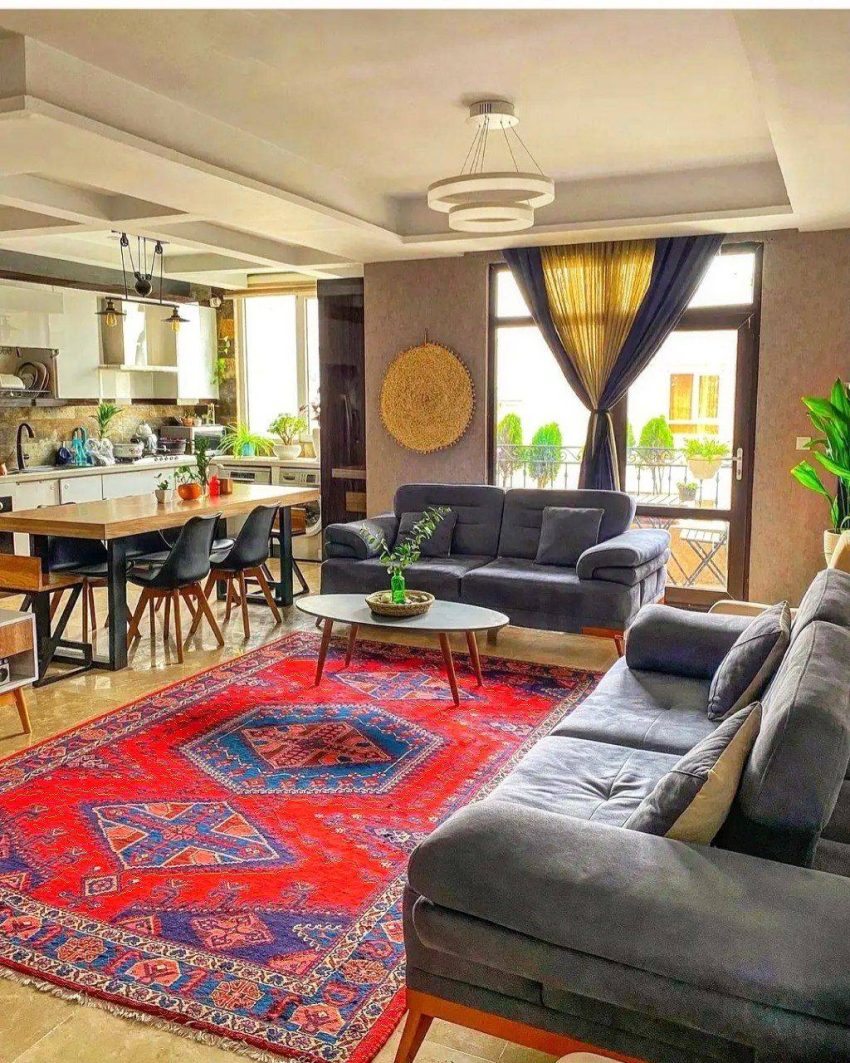
Hand-woven carpets have been a staple of interior design for centuries, and their popularity continues to grow in the modern era.
The intricate designs and craftsmanship of hand-woven carpets add a touch of elegance and luxury to any space, making them a sought-after choice for discerning homeowners and interior designers alike.
In recent years, there has been a resurgence of interest in hand-woven carpets, driven by a growing appreciation for traditional craftsmanship and artisanal techniques.
Modern consumers are increasingly seeking out unique and one-of-a-kind pieces that reflect their individual style and taste, and hand-woven carpets offer a level of customization and personalization that is unmatched by mass-produced alternatives.
One of the key trends in hand-woven carpets today is the blending of traditional techniques with contemporary design aesthetics.
Designers are experimenting with bold colors, geometric patterns, and abstract motifs to create carpets that are both timeless and on-trend.
This fusion of old and new results in carpets that are versatile enough to complement a wide range of interior styles, from classic to modern.
Another trend in hand-woven carpets is the use of sustainable and eco-friendly materials. As consumers become more conscious of the environmental impact of their purchasing decisions, there is a growing demand for carpets made from natural fibers such as wool, silk, and jute. These materials not only have a lower carbon footprint than synthetic alternatives but also offer superior durability and longevity, making them a wise investment for environmentally-conscious consumers.
In conclusion, hand-woven carpets continue to be a popular choice for those seeking to add warmth, texture, and character to their living spaces.
With a focus on traditional craftsmanship, contemporary design, and sustainable materials, modern trends in hand-woven carpets are sure to appeal to a wide range of consumers looking to make a stylish statement in their homes.
The world’s oldest dated carpet
Posted on by Shahabrug
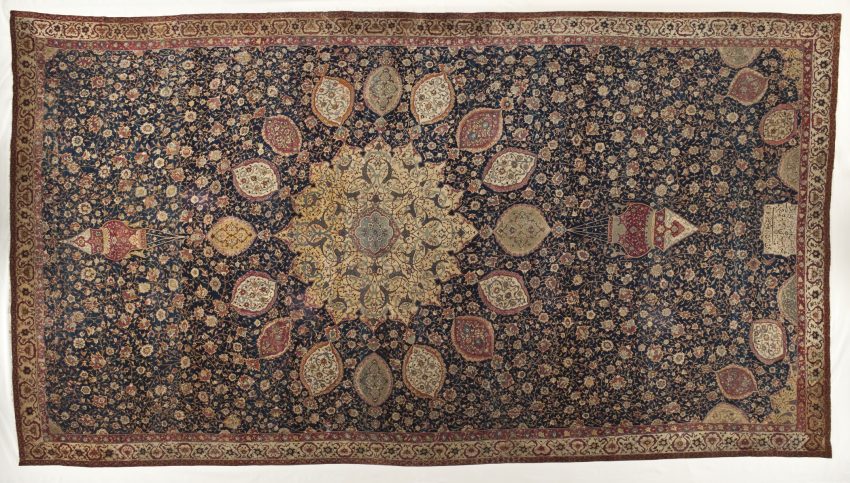
The Ardabil Carpet is a renowned and historically significant Persian carpet that is widely considered to be the oldest known carpet in the world. Dating back to the 16th century, it is named after the Ardabil region in present-day Iran where it was originally created. The carpet is a masterpiece of Persian artistry and craftsmanship, featuring intricate patterns and designs that are a testament to the skill and creativity of its creators.
Measuring approximately 34 feet by 17 feet, the Ardabil Carpet is one of the largest and most exquisite carpets ever made. It is made of finely spun wool and silk, with a high knot count that contributes to its incredible level of detail and intricacy. The carpet is adorned with elaborate floral motifs, geometric patterns, and inscriptions that reflect the cultural and artistic traditions of the time.
In addition to its aesthetic beauty, the Ardabil Carpet is also significant for its historical and cultural importance. It is believed to have been commissioned by the Safavid dynasty, one of the most powerful and influential dynasties in Persian history.
The carpet is also known for its inscription that includes the date of its creation and the name of the master weaver, Maqsud Kashani.
Today, the Ardabil Carpet is housed in the Victoria and Albert Museum in London, where it is displayed as a testament to the rich artistic heritage of Persia and the skill of its artisans. It continues to be admired for its beauty and historical significance, representing a timeless masterpiece that has captivated people for centuries.
History of Persian Carpet
Posted on by Shahabrug
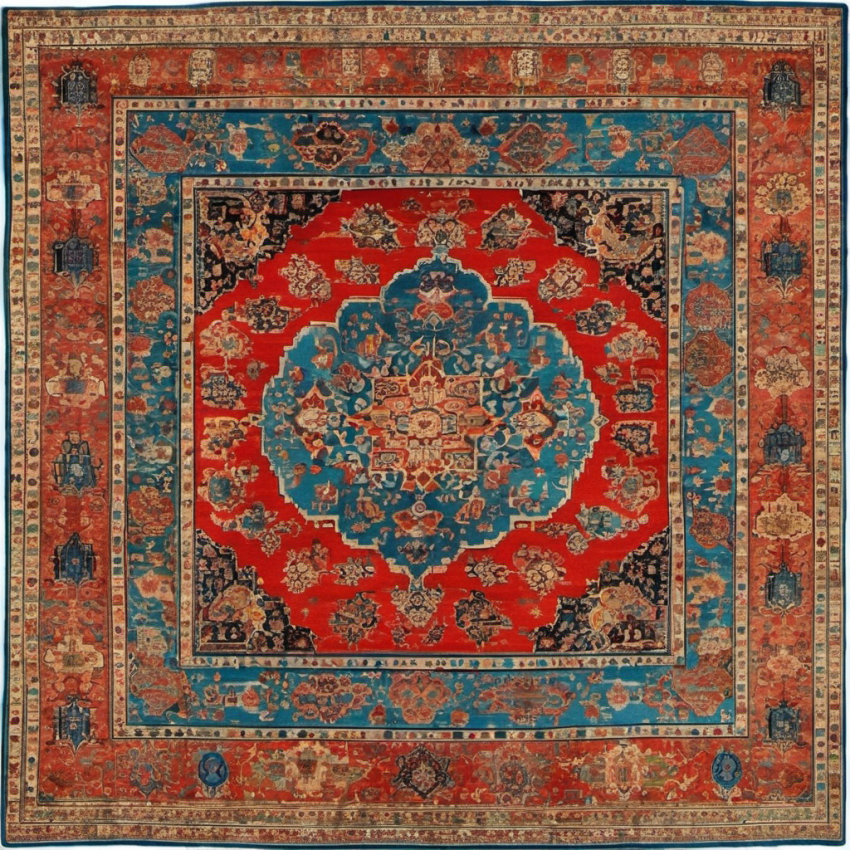
Persian carpets have a long and rich history that dates back thousands of years. The art of carpet weaving in Persia (modern-day Iran) is believed to have originated around 2,500 years ago. Persian carpets are renowned for their intricate designs, vibrant colors, and high quality craftsmanship.
During the Safavid Dynasty (1501-1736), Persian carpet weaving reached its peak, with royal workshops producing some of the most exquisite and elaborate carpets. These carpets were highly prized and were often used as diplomatic gifts to foreign dignitaries.
Persian carpets became popular in Europe during the Renaissance period, and their popularity continued to grow throughout the centuries. European nobility and royalty prized Persian carpets for their beauty and craftsmanship.
Today, Persian carpets are still highly valued and sought after around the world. They are considered to be works of art and are often passed down through generations as family heirlooms.
The art of carpet weaving in Persia continues to thrive, with skilled artisans using traditional techniques and natural dyes to create stunning carpets that showcase the rich cultural heritage of the region.
Different types of Persian Carpet
Posted on by Shahabrug
Persian carpets are renowned worldwide for their brilliant craftsmanship and intricate designs. Handwoven by skilled artisans in various regions of Iran, these carpets are a testament to the rich cultural heritage and artistic traditions of the country.
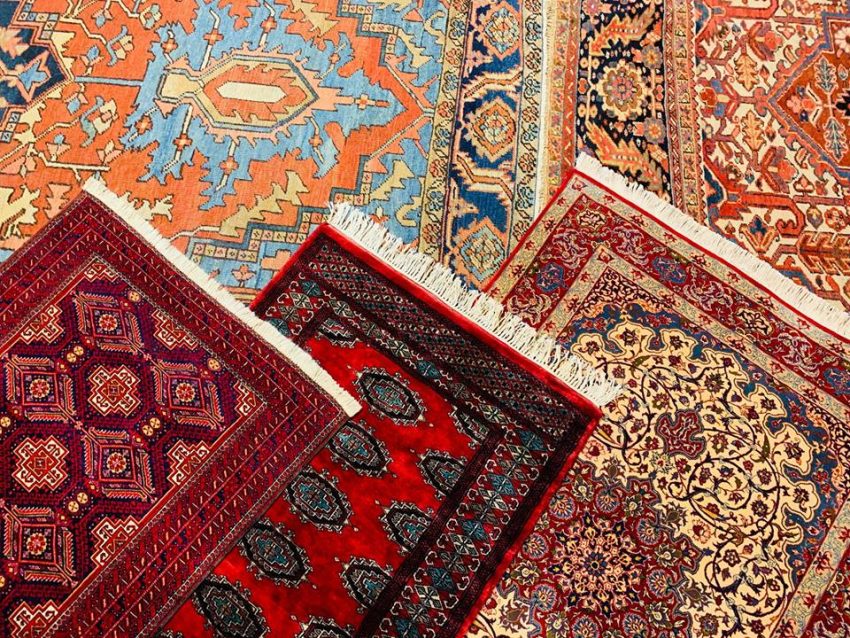
There are several types of handwoven Persian carpets, each with its own unique characteristics and design elements. Some of the most popular types include:
1. Tabriz Carpets: Hailing from the city of Tabriz in northwestern Iran, Tabriz carpets are known for their fine weaving and elaborate floral motifs. These carpets often feature intricate medallion designs and vibrant color palettes.
2. Isfahan Carpets: Isfahan, located in central Iran, is famous for producing high-quality carpets with intricate patterns and delicate floral motifs. Isfahan carpets are prized for their fine knotting and luxurious feel.
3. Kashan Carpets: Kashan carpets are known for their elaborate designs and rich colors. These carpets typically feature intricate floral patterns and medallion motifs, often set against a deep blue or red background.
4. Qom Carpets: Qom carpets, produced in the city of Qom in central Iran, are highly prized for their fine quality and intricate designs. These carpets often feature silk accents and intricate floral motifs.
5. Heriz Carpets: Heriz carpets, produced in the northwest of Iran, are known for their bold geometric designs and vibrant color schemes. These durable carpets are often characterized by their large medallions and angular motifs.
Each type of Persian carpet has its own unique charm and beauty, making them highly sought after by collectors and enthusiasts around the world. Whether you’re looking for a traditional design or a more contemporary style, there’s a Persian carpet to suit every taste and decor aesthetic.
.
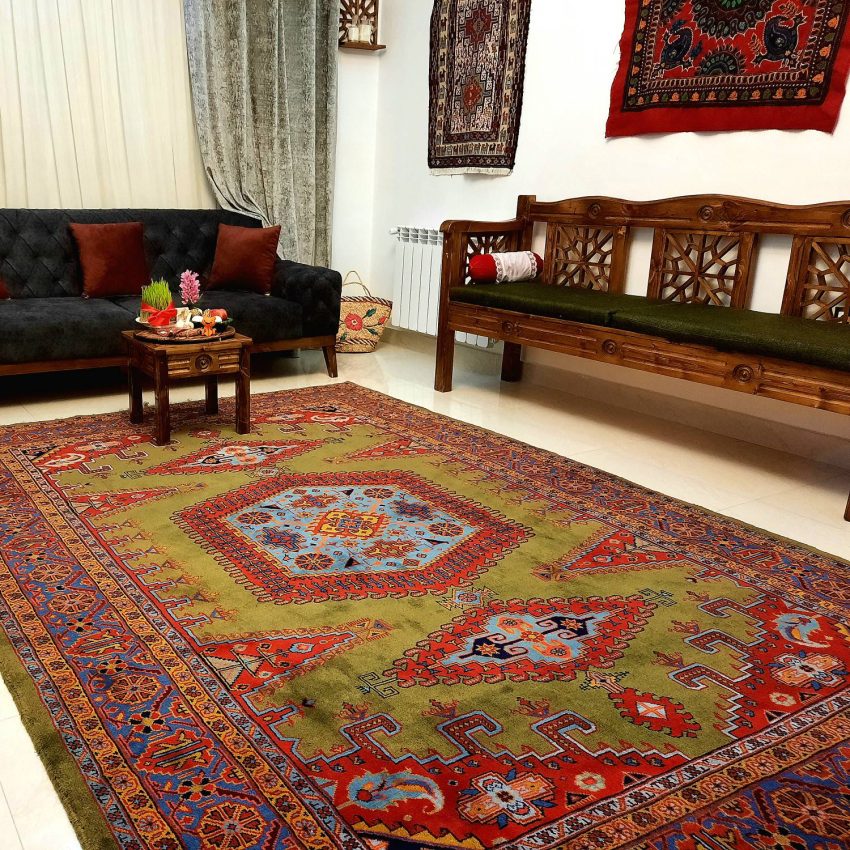
Traditional design in Hand woven Persian Carpet
Posted on by Shahabrug
Handwoven carpets with traditional designs represent a profound connection to cultural heritage, embodying centuries-old techniques and artistic expressions that have been carefully preserved and passed down through generations.
The intricate patterns, vibrant colors, and meticulous craftsmanship of these carpets reflect a deep respect for tradition and an unwavering commitment to excellence.
The process of creating handwoven carpets is a labor-intensive art form that requires immense skill and dedication.
Artisans meticulously weave each thread by hand, paying close attention to detail and precision to ensure the final product is a masterpiece of artistry.
The designs featured in traditional handwoven carpets often draw inspiration from nature, mythology, or historical motifs, each telling a unique story and carrying symbolic significance.
The enduring appeal of traditional design in handwoven carpets lies in its ability to transcend time and trends, offering a timeless elegance that can enhance any space with its beauty and craftsmanship.
Whether displayed as a statement piece in a grand hall or used to add warmth and character to a cozy living room, handwoven carpets bring a touch of luxury and sophistication to any environment.
In a world where mass-produced goods dominate the market, traditional handwoven carpets stand out as a testament to the enduring value of artisanal craftsmanship. Each carpet is a labor of love, reflecting the passion and expertise of the artisans who dedicate their lives to preserving this ancient art form.
By investing in a handwoven carpet with traditional design, you are not just acquiring a beautiful piece of decor but also supporting a rich cultural legacy that deserves to be cherished and celebrated for generations to come.
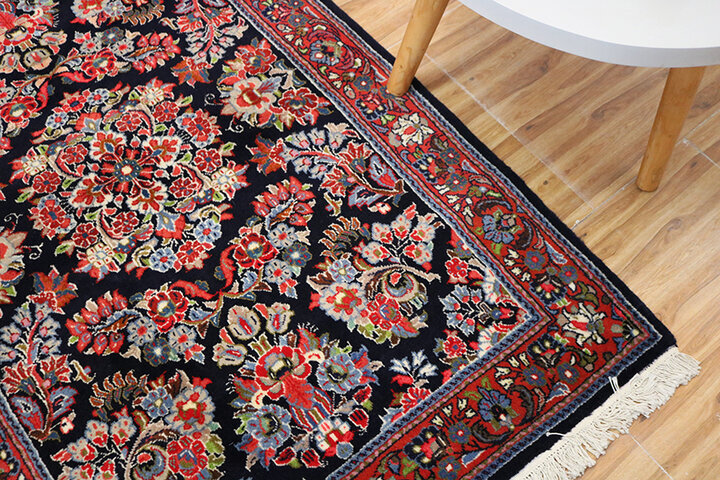
Why Hand-Woven Carpet is much outweigh than Machine-Made ?
Posted on by Shahabrug