
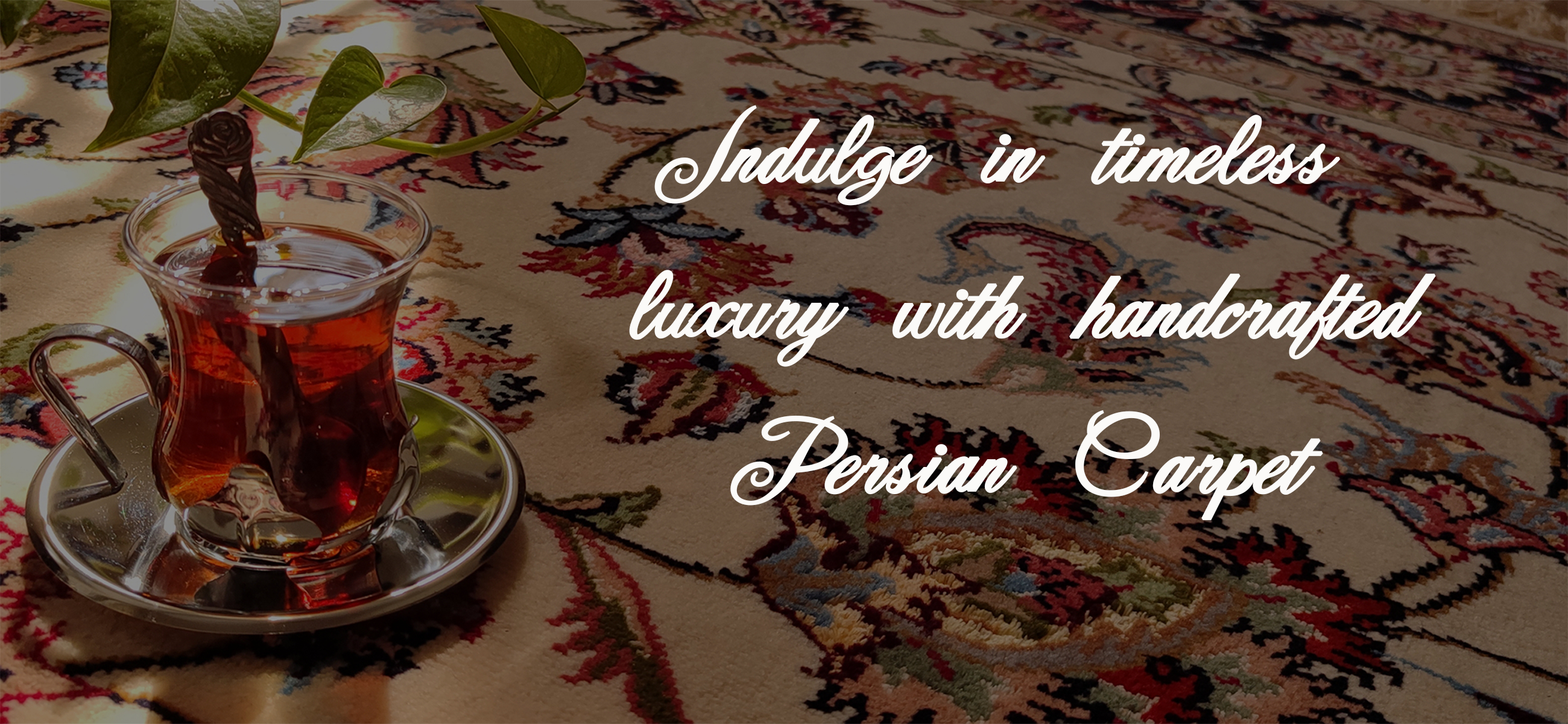
The city of Hamedan whispers stories underfoot. In its ancient homes and bustling bazaars, the true narrative is often woven not in words, but in wool and dye. This is a city where history is a tangible texture, most beautifully expressed through the revered Persian carpet. For centuries, the skilled hands of Hamedan’s artisans have translated the essence of their land, culture, and spirit into magnificent textiles. These are not mere floor coverings; they are the woven soul of a people, a testament to patience passed from one generation to the next. The legacy of Hamedan is deeply interlaced with this timeless craft.
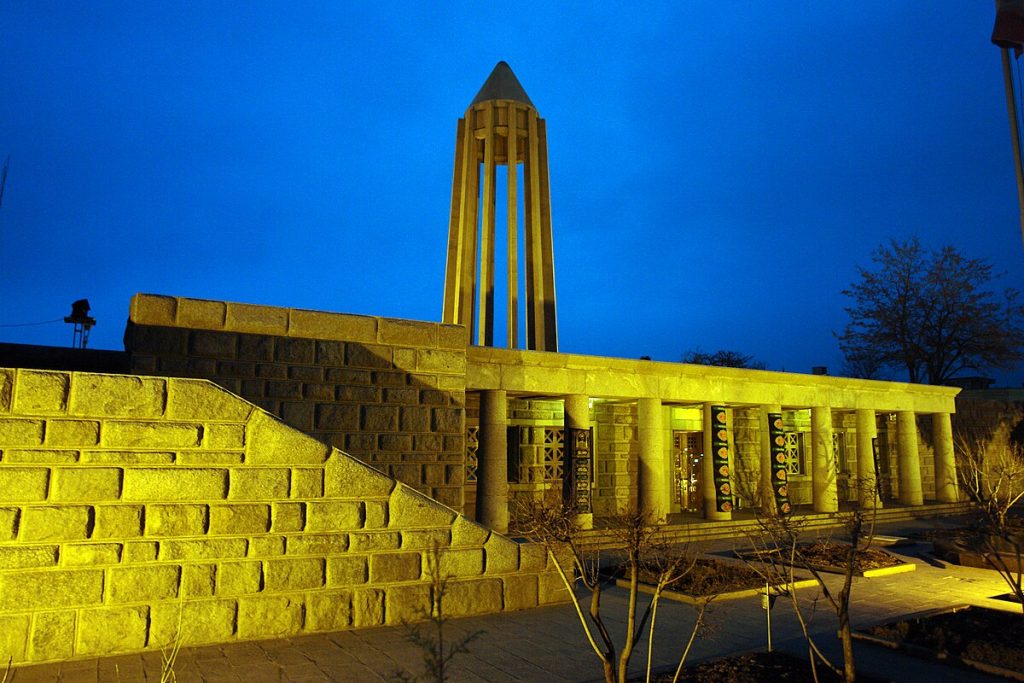
Hamedan Province, in the rugged west of Iran, is a land of dramatic contrasts. Its high-altitude plains, framed by the formidable Alvand Mountain range, experience harsh winters and vibrant summers. This environment shapes a resilient and deeply rooted people.
The province is one of Iran’s oldest continuously inhabited regions, with Ecbatana, the ancient capital of the Medes, lying beneath modern Hamedan. This layered history permeates everything, from the dialect spoken in its villages to the motifs woven into its famous Persian carpets. The province is agriculturally rich, known for its fine fruits and, notably, its raisins. But its most enduring export, alongside its sweet grapes, is its unparalleled craftsmanship in rug weaving.
Hamedani culture is a proud subset of the broader Iranian tapestry, with distinct characteristics. It is a culture of hospitality, where a guest is considered a blessing, and of poetic melancholy, often reflected in local music and literature.
The people of Hamedan are known for their straightforward honesty and strong connection to tradition. This cultural bedrock is the very loom upon which the art of the Persian carpet is stretched. The values of perseverance, attention to detail, and a deep love for natural beauty are not just social virtues; they are the essential tools of the weaver. Every knot tied is a reflection of this cultural identity.
To speak of Iranian culture is to speak of an ancient, sophisticated civilization that has long expressed its highest ideals through art.
For over two millennia, Iranian thought has sought to bridge the earthly and the divine, the material and the spiritual. This pursuit finds sublime expression in Iranian architecture, poetry, music, and, most accessibly, in its arts and crafts. The Persian carpet is perhaps the most globally recognized emblem of this artistic philosophy. It is a microcosm of the Iranian universe: orderly, symbolic, balanced, and infinitely detailed. Each carpet is a poetic expression, where gardens symbolize paradise, and borders represent the protective walls of a sacred space.
Iran’s arts and craftsmanship are a continuous dialogue between generations. In Hamedan, this dialogue is most fluent at the loom. The artistry is not one of wild improvisation but of disciplined execution within a canonical framework.
Weavers, primarily women in home-based workshops, learn patterns and techniques that are centuries old. The craftsmanship lies in the flawless execution: the precision of the symmetric Turkish knot, the consistency of the wool, the clarity of the geometric design, and the mastery of natural dyes derived from pomegranate skins, walnut shells, and indigo. This is slow art, where a single piece can take many months to complete, embodying a profound respect for the materials and the process.
It is with great pride that Hamedan is recognized as a cradle of two of Iran’s traditional treasures: the finest raisins and the foundational Persian carpet. The same sun that sweetens the vineyards also shines on the wool drying in the clean mountain air.
This dual heritage speaks to the province’s bounty—both agricultural and artistic. The geometric, bold patterns of a true Hamedan rug are as iconic to connoisseurs as the region’s seedless grapes are to food lovers. They are two sides of the same coin, both products of a fertile land nurtured by careful, traditional knowledge.
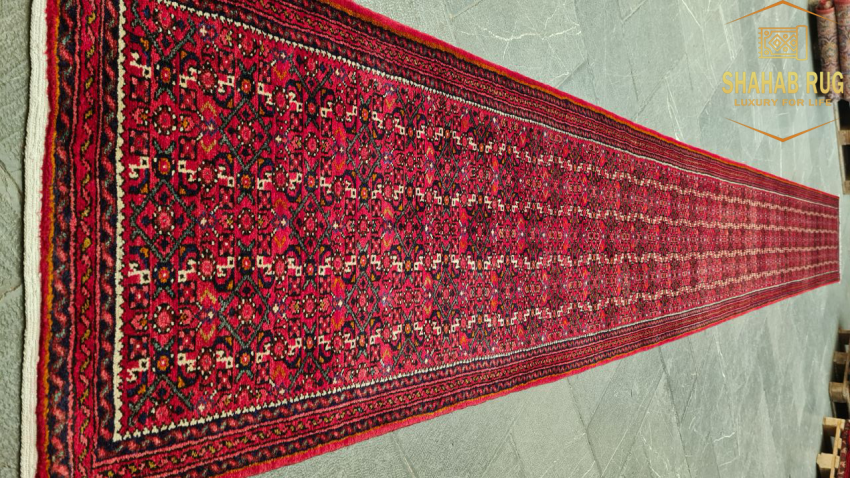
Consider a specific masterpiece from this region: a runner carpet measuring 0.7 meters by 6.6 meters. This distinctive dimension is not arbitrary. It is designed for the architectural spaces of Iranian homes, perfect for lining long corridors, framing seating areas in living rooms, or placing before a row of windows.
This particular Persian carpet from Hamedan would typically feature a repeated geometric medallion or an all-over Herati pattern in a deep, resonant color palette of blues, crimsons, and ivories. The compact weave and high wool content make it exceptionally durable, suited for areas of both beauty and footfall.
Owning a Persian carpet from Hamedan is to own a piece of living history and geography. It is to walk upon a landscape woven with the dreams and diligence of Hamedani artisans. It connects a home in any corner of the world to the high plains of western Iran, to the quiet, rhythmic click of the weaver’s tool, and to an artistic tradition that has weathered millennia. The city of Hamedan does not simply produce carpets; it weaves its very identity into them.
Each piece is a portable homeland, a testament to a culture that finds its deepest expression not in shouting, but in the silent, patient tying of countless knots. In this way, Hamedan speaks softly to the world, through the language of wool and warp, telling its story one meticulous knot at a time.