
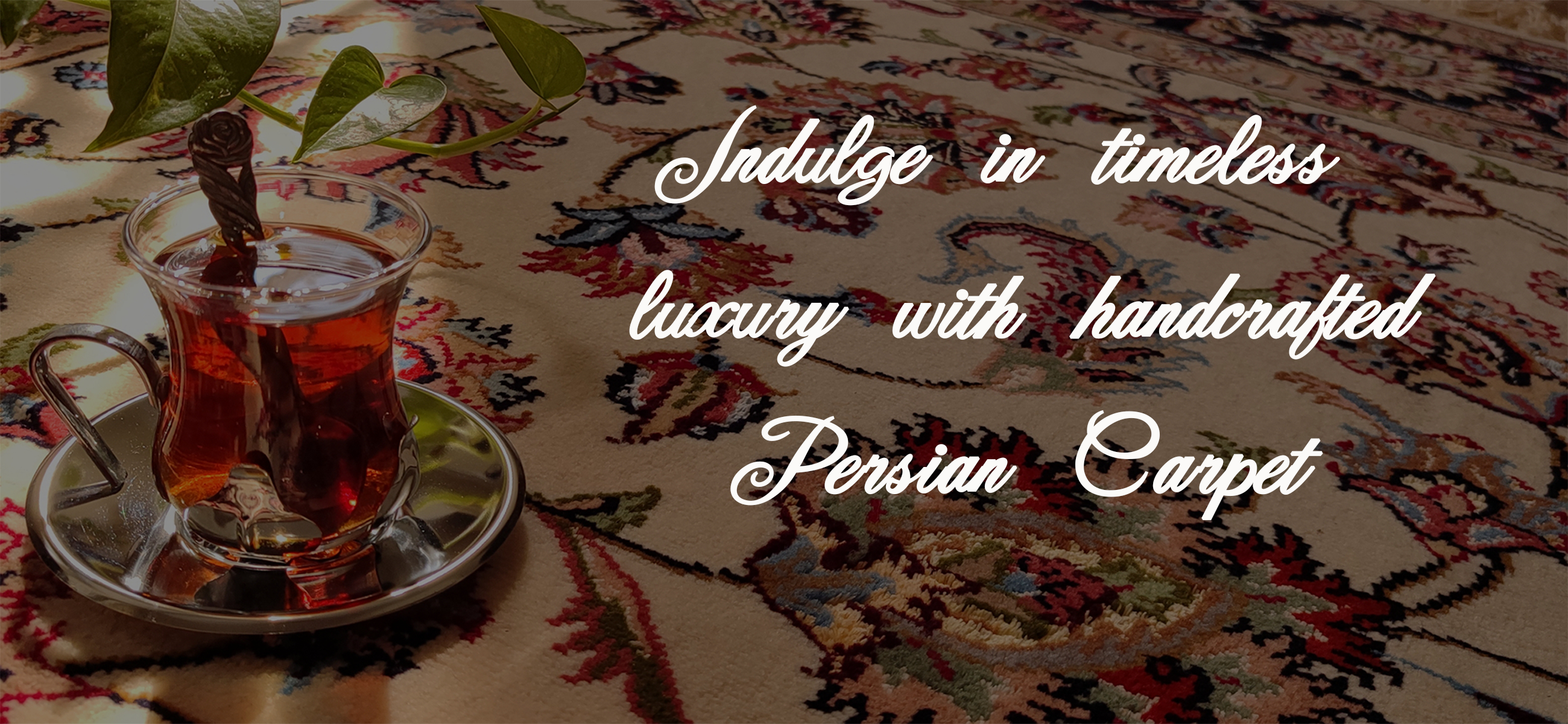

Take place in the northern reaches of the Isfahan Province in Iran, lies the historic city of Meymeh. This ancient settlement, often bypassed by the casual tourist, holds a profound secret within its dusty lanes and sun-baked architecture. Meymeh is a repository of enduring Persian tradition. The air here whispers tales of craftsmanship that have passed seamlessly from one generation to the next, safeguarding a heritage that defines a nation.

To understand Meymeh is to begin a journey into the very heart of Iranian artistry. This region, while modest in size, is colossal in cultural contribution. It is famously known as a dual cradle: the cradle of exquisite, traditional pile weaving and the cradle of succulent grapes in Iran. This combination of agricultural bounty and artistic flourish speaks volumes about the Iranian spirit—a deep connection to the land and a transcendent drive to beautify existence.
The province that hosts Meymeh, Isfahan, is itself a jewel in Iran’s crown. Isfahan Province has long been considered the cultural heartbeat of the nation. Historically, under the Safavid dynasty, Isfahan city was the magnificent capital, dubbed “Nesf-e-Jahan” or “Half of the World.” This was no mere boast. The province became an epicenter for philosophers, poets, architects, and artisans. Its legacy is one of refined taste and intellectual and artistic patronage.
Isfahani culture is synonymous with a pursuit of harmony and exquisite detail. This is evident in the sublime geometry of Naqsh-e Jahan Square, the mesmerizing tilework of mosques that dance with color, and the delicate rhythms of traditional music. It is a culture that values patience, precision, and the hidden meaning within beauty. Conversation is an art, hospitality a sacred duty, and craftsmanship a form of devotion. In Isfahan, every action can be infused with a sense of grace and intentionality.
This cultural bedrock is the foundation upon which all Iranian art and craftsmanship is built. Iran’s artistic legacy is one of humanity’s most continuous and rich. From the monumental reliefs of Persepolis to the illuminated poetry of Hafez, from the intricate metalwork of the Seljuks to the soaring innovations of Persian architecture, Iranians have forever sought to blend utility with profound beauty. Craftsmanship is not merely a trade; it is a language. It communicates beliefs, stories, and a distinct worldview where the spiritual and material worlds intertwine.
Nowhere is this fusion more tangible than in the revered Persian carpet. More than a floor covering, a Persian carpet is a narrative tapestry, a portable garden, a family’s heirloom, and a statement of identity. Each knot is a letter, each color a word, each pattern a chapter in a long, unbroken story. To weave a carpet is to engage in a slow, meditative dialogue with history, nature, and one’s own ancestors. It is the quintessential Iranian art form.
From the storied city of Meymeh emerges a particular expression of this art. The weavers here, often women working on vertical looms in their own homes, inherit patterns and techniques that are centuries old. The wool, often from local sheep, is dyed with natural substances—pomegranate skins for gold, walnut hulls for brown, indigo for deep blue. The resulting palette is one of subtle, earthy richness that seems to hold the very light of the Iranian plateau within it.
Consider a specific treasure from this land: a Persian carpet originating from Meymeh, measuring 1.75 by 2.6 meters. This dimension is not arbitrary. It creates a perfect rectangle, ideal for anchoring the space in a traditional Persian room, or “otagh.” It is a size meant for living with, for gathering around, for defining a space of hospitality and family. Within its frame lies an entire cosmology.
The design of a Meymeh carpet often features a central medallion, echoing the architectural domes of Isfahan. Surrounding it are intricate floral and vine motifs, a direct homage to the region’s famed grape cultivations. The intricate borders, like the framed arches of a Safavid palace, contain the universe within. Every element is symbolic—the eternal garden (“boteh”), the intertwining tendrils representing life’s connectivity, the protective symbols at the edges. To own such a piece is to own a fragment of Meymeh’s soul.
The process of creating this 1.75 by 2.6-meter masterpiece is Herculean. A single weaver, working for hours each day, can take over a year to complete it. Each of the hundreds of thousands of hand-tied knots is a deliberate act of creation. This patience is a core Iranian virtue, reflecting a worldview that values lasting legacy over immediate gratification. The carpet grows slowly, like the grapes of Meymeh on the vine, nurtured to perfect maturity.
Iranian culture, with all its depth and complexity, flows through the hands of these weavers. The carpet becomes a repository for collective memory—of Persian gardens, of poetic metaphors, of Zoroastrian symbols reinterpreted through an Islamic lens. It is a testament to a people who have faced history’s turbulence yet consistently responded with acts of breathtaking beauty. The carpet is resilience woven into wool.
In a world of mass production, the Meymeh carpet stands as a defiant testament to the human hand and spirit. It challenges the modern pace of life, insisting that some things must unfold in their own sacred time. It carries the scent of the soil, the vision of the artisan, and the heartbeat of a city dedicated to preservation. Meymeh, through its looms, offers not just an object of decor, but an invitation.
To experience a true Persian carpet from Meymeh is to walk upon a masterpiece. It is to feel the texture of history beneath your feet and to participate in a culture that sees art as essential as bread. It connects the contemporary home to the timeless landscapes of Isfahan Province, to the quiet, determined artistry of Meymeh, and to the vast, generous soul of Iran itself. It is more than a possession; it is a dialogue with eternity, one exquisite knot at a time.