Please join and have a discussion with Shahab team in favour of Persian Carpets .
Luxury for life

Please join and have a discussion with Shahab team in favour of Persian Carpets .
Luxury for life
In the heart of western Iran lies a city that whispers tales of ancient civilizations and artistic mastery. This is Hamedan, a name that resonates through history as one of the world’s oldest continuously inhabited cities. When we speak of authentic Persian carpets, we are inevitably drawn to Hamedan, a cradle of traditional rug weaving that has shaped the very identity of Iranian craftsmanship for millennia. The city of Hamedan, with its rich cultural tapestry, offers more than just floor coverings; it offers a tangible connection to a glorious past.
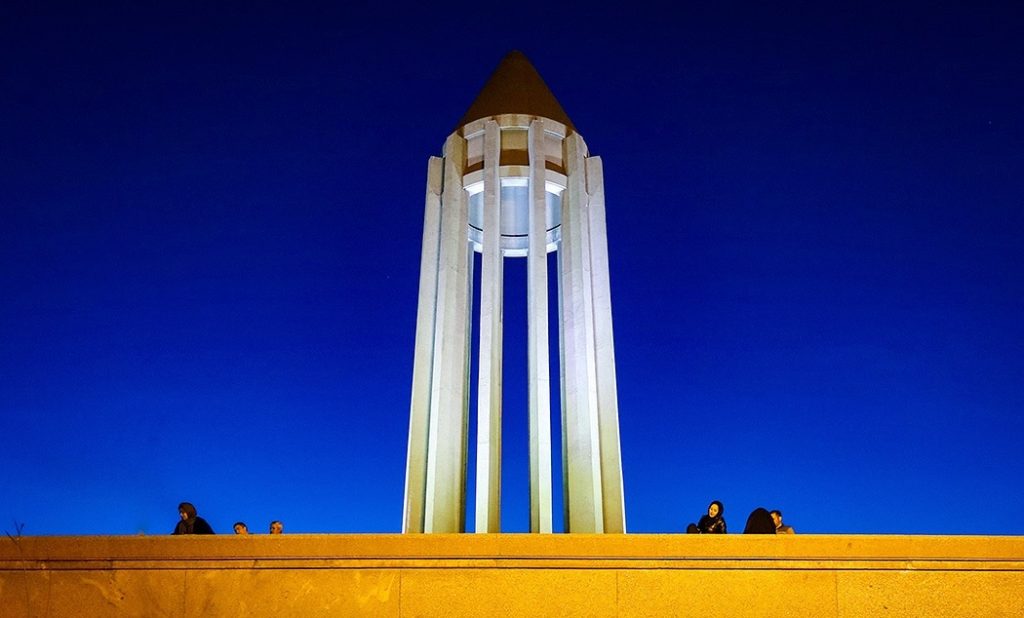
As Zahra Khodaei , Technical Manager of Shahab rug stated : Hamedan’s reputation as a weaving hub is not merely a modern designation. It is a title earned over centuries, built upon the skilled hands of its diverse people.
From the Kurds and Lors to the Persians and Turks, each ethnic group within Hamedan province has contributed to a dazzling array of patterns and techniques. This melting pot of influences is precisely what makes a Hamedan Persian rug so distinctive. Unlike the ultra-refined, courtly carpets of central Persia, the weavings from this region possess a certain rustic charm, a boldness that speaks of mountain villages and nomadic traditions. They are sturdy, practical works of art designed for everyday life, yet imbued with profound cultural significance .
The cultural identity of the Hamedani people is deeply interwoven with their craft. For them, weaving is not just a profession; it is a language. The geometric medallions, the angular vine scrolls, and the recurring boteh (paisley) motifs are not random decorations.
They are symbols of protection, fertility, and the enduring spirit of a people who have thrived in the shadow of Mount Alvand for centuries . The vibrant scarlet reds, deep indigo blues, and earthy browns found in these rugs are drawn from the same land they inhabit, reflecting the rugged beauty of the Hamedan province’s landscape and its rich cultural heritage .
To appreciate the Hamedan Persian carpet, one must understand its physical character. The weavers of this region predominantly employ the symmetrical Turkish, or Ghiordes, knot, which creates a rug of exceptional durability and a thick, luxurious pile . A technical hallmark of many authentic pieces from the province is the use of a single weft thread between rows of knots, giving the rug a wonderfully textured, almost rustic feel .
This blend of strength and textural beauty makes these pieces ideal for areas in the home that see significant foot traffic while still maintaining their artistic integrity.
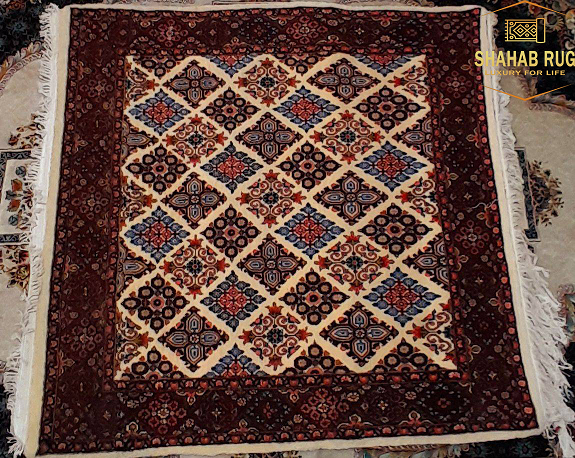
When considering the dimensions of such a masterpiece, the size becomes a crucial element of its narrative. A Hamedan rug measuring 1.4 by 1.4 meters is a perfect example of their versatility . This square format is a classic size within the region’s production, ideal for a small sitting area, an entryway, or as a striking focal point in a study or bedroom.
In a world of mass-produced, machine-made floor coverings, this 1.4 by 1.4 meter handwoven piece stands as a testament to the enduring value of human artistry and the unique character that only a Persian rug can impart to a space.
Looking beyond the city, the entire Hamedan province serves as a testament to the breadth of Persian art. It is not only a cradle of traditional rug weaving but also a cornerstone of Persian pottery in Iran .
The town of Lalejin, just 30 kilometers from Hamedan city, is a renowned center for ceramics, with hundreds of active workshops continuing a tradition that stretches back centuries .
This proximity of two great crafts highlights a cultural ecosystem where artistic innovation and tradition thrive side-by-side. Today, exports of Hamedan’s handicrafts, including its famed ceramics, continue to generate substantial revenue, underscoring the region’s vital role in Iran’s cultural economy . This synergy between the textile arts and pottery defines the artistic soul of the province.
This artistic prowess is a microcosm of Iran and Iranian culture as a whole. Iran’s art and craftsmanship is not a static relic of the past but a living, breathing tradition that continues to evolve.
From the exquisite miniature paintings to the intricate metalwork and the grand architecture of its mosques, the Iranian soul is expressed through an unparalleled dedication to beauty and detail . The Persian carpet, in all its forms, stands as the supreme achievement of this cultural ethos. It is a canvas that combines mathematics, poetry, and spirituality, a functional object elevated to the level of high art.
The legacy of master weavers, passing down their skills through generations, ensures that the timeless motifs and techniques of the Hamedan weavers, for instance, remain a source of national pride.
Indeed, the Persian rug is far more than a textile; it is the very soul of Iran woven into wool and dye. It represents a tradition where art and craft are inseparable, and where the weaver infuses their heart and history into every knot. When you purchase a Persian carpet, you are not just buying a floor covering; you are acquiring a piece of history, a fragment of Iranian culture, and a testament to the incredible skill of its artisans.
Ultimately, a Hamedan rug is the perfect gateway into this magnificent world. Whether it is the 1.4 by 1.4 meter piece that fits perfectly in a modern apartment or a larger tribal rug for a grand hall, these weavings carry with them the spirit of Hamedan and its people.
They are durable, authentic, and full of character, serving as a daily reminder of the ancient art of Persian carpet weaving and the rich, diverse cultural heritage of a land that has given so much to the world’s artistic legacy. Through them, the voices of the weavers from the mountains of Hamedan province continue to speak, telling stories of beauty, resilience, and unparalleled craftsmanship.
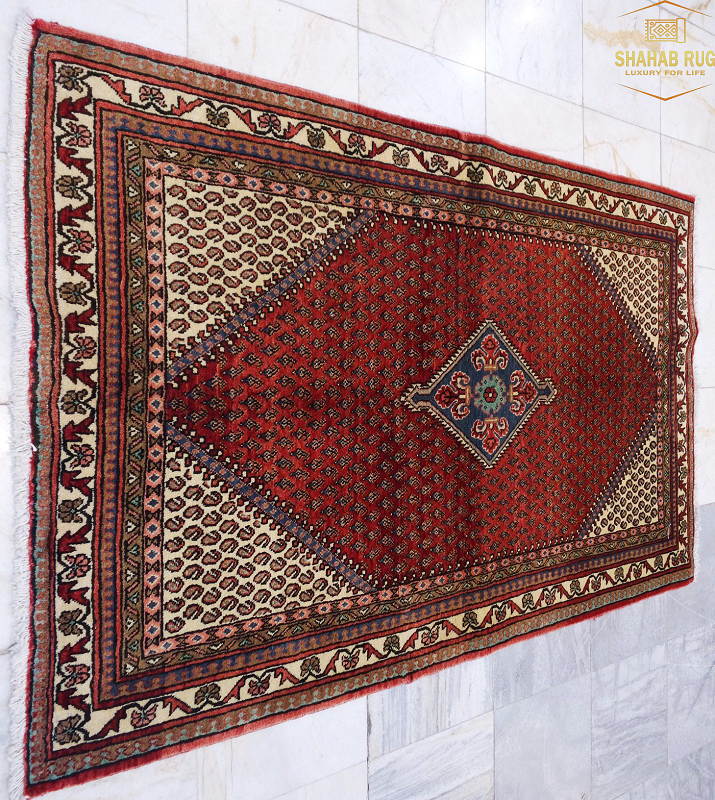
Of all the timeless treasures born from the cradle of Persian civilization, few speak as softly and as powerfully as the handwoven Persian carpet. To walk upon a Persian carpet is to tread across centuries of storytelling, nomadic memory, and the patient geometry of the desert garden. Among the most revered families of these woven wonders lies a name that resonates with purists and collectors alike: Farahan. It is not merely a pattern or a weaving technique; it is a place, a people, and a philosophy stitched into wool and cotton. When you hear Farahan, you must think of rust-colored fields, tiny repeating motifs, and a certain unpretentious dignity.
In the first tenth of our journey today, Farahan stands as our guiding star, for without understanding this county, one cannot fully grasp the soul of provincial Persian weaving.
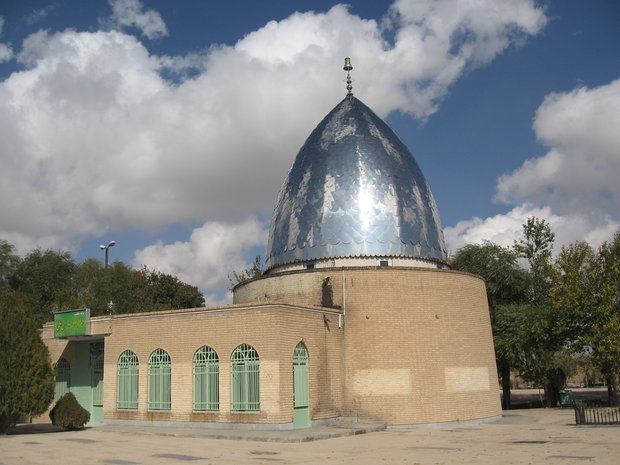
The village of Farahan sits nestled within the wider Arak Province in Iran, a region historically known as the land of sturdy looms and resilient craftsmanship. Farahan itself is a quiet cluster of mud-brick homes and narrow alleyways, yet its name echoes across the world’s great auction houses. Located southwest of Tehran, the Arak Province has always been a crossroads of nomadic tribes and settled villagers, and Farahan became the beating heart of this weaving belt. In the workshops , generations of weavers developed a distinctive aesthetic defined by high knot density and geometric precision. To this day, a genuine Farahan rug carries a level of sobriety that more flamboyant city rugs sometimes lack.
The people of Farahan never sought to dazzle with gold or silk; they chose instead to impress with subtle harmony and endurance.
The specific product we are considering today measures 1.28 by 2.08 meters —an ideal size for a room’s center or a hallway’s dignified anchor. This Persian carpet from the tradition is neither too large to overwhelm nor too small to be dismissed. Within its compact field, you will find the classic all-over pattern known as mah-e gozaar (lamb’s foot or small hook) repeated in quiet rows. The color palette draws from madder root for rust-reds, indigo for deep blues, and natural beige for the unbleached cotton foundation. Because the rug measures exactly 1.28 * 2.08 m, it fits perfectly before a fireplace, under a modest dining table, or as a layered piece over wall-to-wall carpeting.
Every square centimeter of this Persian carpet carries the memory of Farahan’s cold winters and the warm hands that knotted it.
To speak of this county is to speak of the broader Araki Culture. The Arak Province, historically called Erak or Sultanabad, developed a unique cultural identity distinct from Tehran or Isfahan. Araki Culture is pragmatic, hardworking, and deeply rooted in village self-sufficiency. While Isfahan produced royal showpieces, the people of Arak produced rugs for daily life—durable, washable, and full of quiet charm. Araki Culture also values hospitality and simple, hearty foods. In the village of Farahan, women would weave rugs in the morning and prepare dolmeh in the afternoon.
Indeed, Farahan is the cradle of traditional rug as well as Persian Dolma in Iran. Yes, you read that correctly: the same village that gave the world the subtle Farahan rug design also perfected the art of stuffing grape leaves with rice, herbs, and minced meat. In Farahan, the coiled patience of weaving a row of knots mirrors the patience of rolling a perfect dolma. This dual heritage—textile and culinary—makes Farahan a symbol of holistic Iranian village life.
Now let us widen the lens to Iran and Iranian Culture. Iran is not a monolith of desert and mosque; it is a mosaic of ethnicities, climates, and artistic dialects. Iranian Culture places immense value on mehman-navazi (hospitality), honar (art), and pishineh (history). A Persian carpet is the ultimate expression of these values. When an Iranian family unrolls a rug, they are not covering a floor; they are defining a space of gathering, eating, sleeping, and praying. The Persian carpet is Iran’s second skin. Iranian Culture also reveres poetry, miniature painting, and calligraphy.
In many ways, the rug is the calligraphy of village art—repetitive, disciplined, yet full of inner rhythm. You will find no wild animals or hunting scenes in a classic Farahan; instead, you find meditative order. That order reflects a core Iranian belief: beauty emerges from pattern, not chaos.
Iran’s art and craftsmanship are legendary, from the tilework of Isfahan’s mosques to the silver inlay of Shiraz. Yet the most democratic of all Iranian arts is the Persian carpet. Almost every Iranian village once had a loom. Iran’s art and craftmanship are passed from mother to daughter without written manuals. In this county, a young girl would learn to tie a Senneh knot (asymmetrical) before she learned to read. Iran’s art and craftmanship are not confined to museums; they breathe in the floor covering of a nomad’s tent. The rug exemplifies this living tradition.
Because Iran’s art and craftmanship emphasize function as much as ornament, the Farahan design never sacrifices durability for flair. The wool is hand-carded, the dyes are vegetable-based, and the cotton warp is stretched with just the right tension. Every weaver in Farahan knows that a rug will outlive its maker; thus, each knot is a conversation with the future.
Let us return to the village. It lies in the Markazi (Central) Province, but historically it was part of the greater Arak region. The name Farahan itself is believed to derive from an ancient term meaning “abundance of water,” though the area is now semi-arid. Despite the harsh conditions, the people of Farahan developed an agricultural and weaving economy that sustained them for centuries. Farahan never had a royal court or a famous madrasa.
What Farahan had was an unwavering standard. Even today, antique rugs command high prices because of their structural integrity. The village’s weavers used a cotton foundation and a medium-to-long pile, which makes the rug both resilient and soft. If you ever visit Farahan, you will see old women sitting on their porches, fingers flying over small looms, producing rugs that look almost identical to those made two hundred years ago. That continuity is the true miracle.
In the context of the Persian carpet market, Farahan occupies a special niche. It is not a court rug like the silk Isfahan, nor a tribal explosion like the Gabbeh. Farahan is the rug of the educated middle class—the scholar, the curator, the person who values subtlety over status. The Persian carpet from Farahan pairs beautifully with minimalist decor because its detailed yet small-scale pattern reads as texture from a distance. For a rug measuring 1.28 * 2.08 m, the design uses a scale of motif that makes the room feel larger, not busier. That is the secret of Farahan: it breathes.
And so we circle back to where we began: Farahan as cradle. This county is the cradle of traditional rug as well as Persian Dolma in Iran. That phrase is not a mere marketing slogan. It means that when you place a Farahan rug on your floor, you are also placing a piece of culinary memory—the scent of herb-stuffed grape leaves, the laughter of a village gathering. Farahan teaches us that the highest art is the one woven into daily life. Whether through a pot of dolma simmering on a hearth or a Persian carpet spread underfoot, Farahan whispers the same truth: beauty must be lived.
So when you acquire a Farahan rug of 1.28 * 2.08 m, you are not buying a decorative object. You are adopting a heritage. You are saying yes to the weaver’s knot, the dyer’s recipe, the village’s patience. You are bringing Iran and Iranian Culture into your home—not as a distant exoticism, but as a warm, honest presence. And that, ultimately, is what a Persian carpet from Farahan has always offered: a handshake across time.
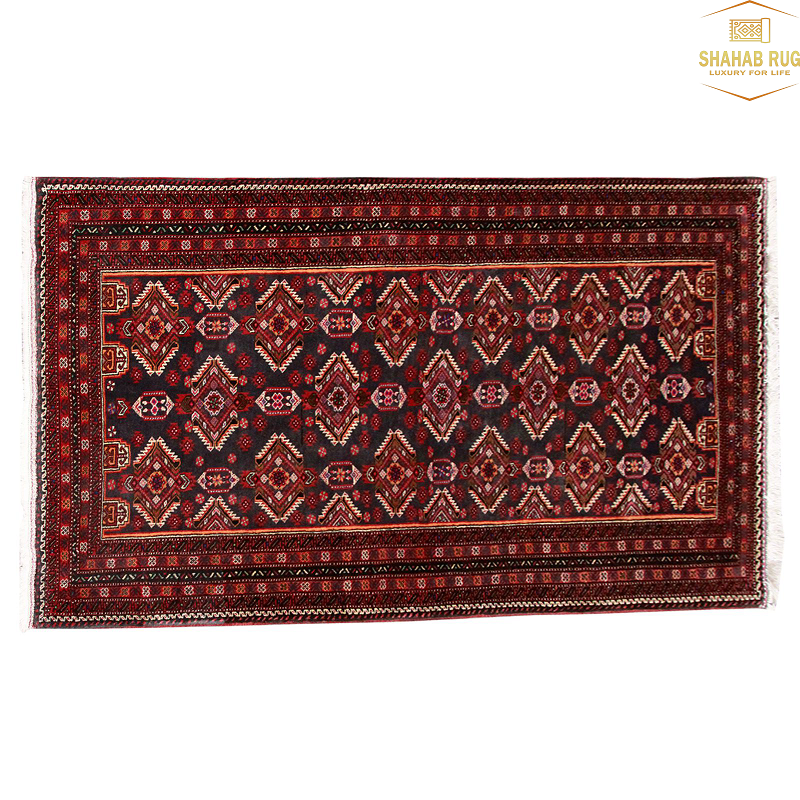
The Woven Soul of the Desert: An Introduction to the Persian Baloch Rug
The Baloch weaver does not rush. She sits on the dusty ground before a vertical loom, her fingers tying knots that have been passed down for centuries. Each tug of the wool is a silent prayer, a memory of the wind across the Dasht-e Lut, and a whisper of her tribe’s nomadic journey.
To understand the Persian Baloch rug is to look beyond the floor covering. It is to look into the very soul of a resilient people. While the world rightly celebrates the silk masterpieces of Isfahan or the garden designs of Kirman, the Baloch rug offers a different kind of beauty. It is a raw, dark, and fiercely poetic art form. This specific piece, with its intimate dimensions of 1.09 by 2.04 meters, is a testament to that heritage—a perfect runner or accent rug born from the heart of Iran’s southeastern frontier.
The Geographic Cradle: Sistan & Baluchestan Province
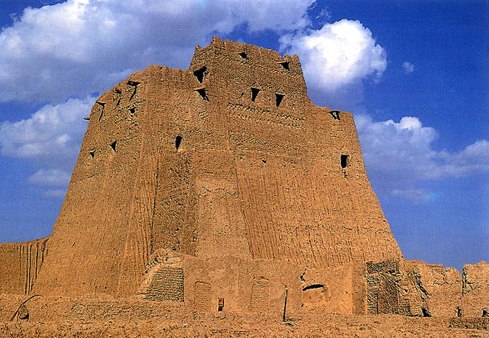
To understand the rug, you must first understand the land. The Baloch region in Iran is officially known as Sistan & Baluchestan Province. This is the country’s largest and arguably most rugged province. Stretching from the Lut Desert to the Gulf of Oman, it is a land of stark contrasts. Here, blistering sand dunes meet the cool, turquoise waters of the sea. The Baloch people have lived in this harsh, sun-scorched environment for millennia.
Unlike the lush northern forests of Iran, life here is dictated by scarcity. This scarcity directly shapes the Baloch rug. The wool is often coarse but durable. The dyes are deep, drawing from local madder roots and indigo. When you look at a Baloch rug, you see the colors of the Sistan basin: the browns of the mud-brick forts, the deep blues of the night sky, and the rare flashes of red like a pomegranate seed.
Iranian Craftsmanship with a Tribal Heart
When we speak of Iran’s art and craftsmanship, the mind typically turns to the Persian carpet. Indeed, the Persian carpet is the nation’s most famous export, a global symbol of luxury and intricate design. The Baloch rug is the Persian carpet’s stoic, nomadic cousin. While city looms produce silken, symmetrical patterns, the Baloch weaver produces art that breathes.
It is irregular, personal, and deeply spiritual. Iran’s art scene is not monolithic; it is a mosaic of urban sophistication and tribal intuition. The Baloch represent the latter with extraordinary dignity. Their craft is not just decoration; it is a form of storytelling. Because the Baloch were historically nomadic, these rugs were practical. They served as bedding, door covers, and saddlebags.
The 1.09 * 2.04 m size is a classic “zarafia” or runner, ideal for a hallway or alongside a bed, proving that ancient utility remains beautiful in modern homes.
A Closer Look at Balochi Culture
Balochi culture is one of the most distinct in the Iranian tapestry. It is a culture defined by honor, poetry, and a fierce sense of independence. The Baloch language is from the Iranian branch, preserving ancient sounds that predate modern Farsi. In the Balochi code of honor, known as Mayar, hospitality is sacred. Even the poorest Baloch family will offer their last piece of bread to a guest. This warmth lives in their rugs.
The motifs are not merely decorative; they are symbols of protection. You will often see “dogg” patterns (tiny repeated diamonds) representing the eyes of the gods to ward off the evil gaze. In this specific rug, look for the “taj” (crown) or “boteh” (the ancient seed of life, which the West calls paisley). Balochi women rarely sign their names, but they sign their work in these symbols.
More Than a Rug: A Cradle of Agriculture and Art
Here is a fact that surprises many outsiders. While Balochistan is the cradle of the traditional rug in Iran, it is also the cradle of something delicious: the Persian Banana and Mango.
Yes, in the southern coastal plains of Sistan & Baluchestan, near Chabahar, the humid, tropical climate allows Iran to grow fruits you would never expect to find in the Middle East. The Baloch region is the only place in Iran where these fruits flourish. Therefore, a Baloch rug carries the same earthy weight as the date palm and the banana tree. It is a product of the same resilient soil.
The Design Elements and Color Palette
Let us examine the specific dimensions: 1.09 meters wide by 2.04 meters long. This elongated rectangle is typical for Baloch weavers who specialized in “long rug” formats for tents. The design usually features a deep, indigo or charcoal field.
Unlike the bright reds of Qashqai tribes, These rugs prefer a somber, dramatic palette. Against this dark field, the weaver uses natural ivory and madder red for the motifs. The border is crucial. It often features a “mehrab” (prayer niche) design or a series of “dervish” columns.
Because the Baloch are predominantly Sunni Muslims within a largely Shia Iran, their rugs sometimes feature more abstract, geometric depictions of spiritual light rather than literal garden imagery.
Iran and Iranian Culture in Every Knot
To own a rug is to own a piece of Iran and Iranian culture. Iran is a land of paradoxes—ancient and modern, lush and barren. The Baloch rug captures the ancient, barren, and resilient side.
It is a reminder that Iranian culture is not solely about the Shahnameh or Persepolis. It is also about the nomadic road. The Persian carpet industry globally respects the Baloch for their technical skill. Specifically, they use the asymmetrical (Persian) knot, allowing for very fine detail despite the coarse wool. The weave is incredibly tough. A 1.09 * 2.04 m Baloch rug is dense enough to withstand decades of foot traffic, yet soft enough to sleep on. It is a functional heirloom.
The Modern Value of Authenticity
In a world of machine-made polypropylene, the handmade Persian rug stands defiant. It carries the scent of wool, the dust of the Sistan valley, and the fingerprints of the maker. When you buy a Baloch rug, you are not just buying floor covering. You are preserving a language.
You are supporting the women of the Baloch region, for whom weaving is often the only source of financial independence. The 1.09 * 2.04 m size is perfect for a city apartment, bringing the raw, poetic spirit of Iran’s eastern frontier into your home. It is a bridge between the cradle of the mango and the cradle of the knot.
Conclusion
The mentioned rug is the dark star of the Persian carpet universe. It does not shout for attention like a silk Qom. It whispers stories of night journeys, tribal wars, and the quiet patience of the desert.
From the hot winds of Sistan & Baluchestan to your living room floor, this 1.09 by 2.04 meter textile carries the weight of Balochi culture, the skill of Iranian craftsmanship, and the unique heartbeat of a people who have turned hardship into high art. To stand on a this fascinating rug is to stand on history.
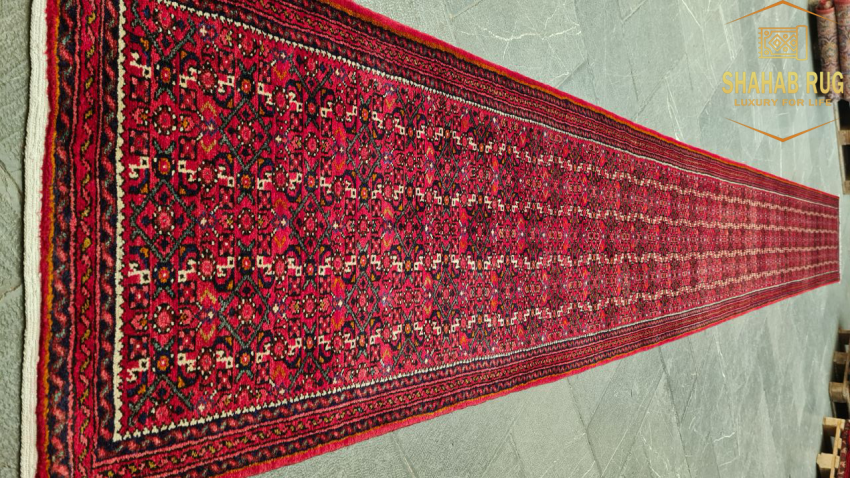
The city of Hamedan whispers stories underfoot. In its ancient homes and bustling bazaars, the true narrative is often woven not in words, but in wool and dye. This is a city where history is a tangible texture, most beautifully expressed through the revered Persian carpet. For centuries, the skilled hands of Hamedan’s artisans have translated the essence of their land, culture, and spirit into magnificent textiles. These are not mere floor coverings; they are the woven soul of a people, a testament to patience passed from one generation to the next. The legacy of Hamedan is deeply interlaced with this timeless craft.
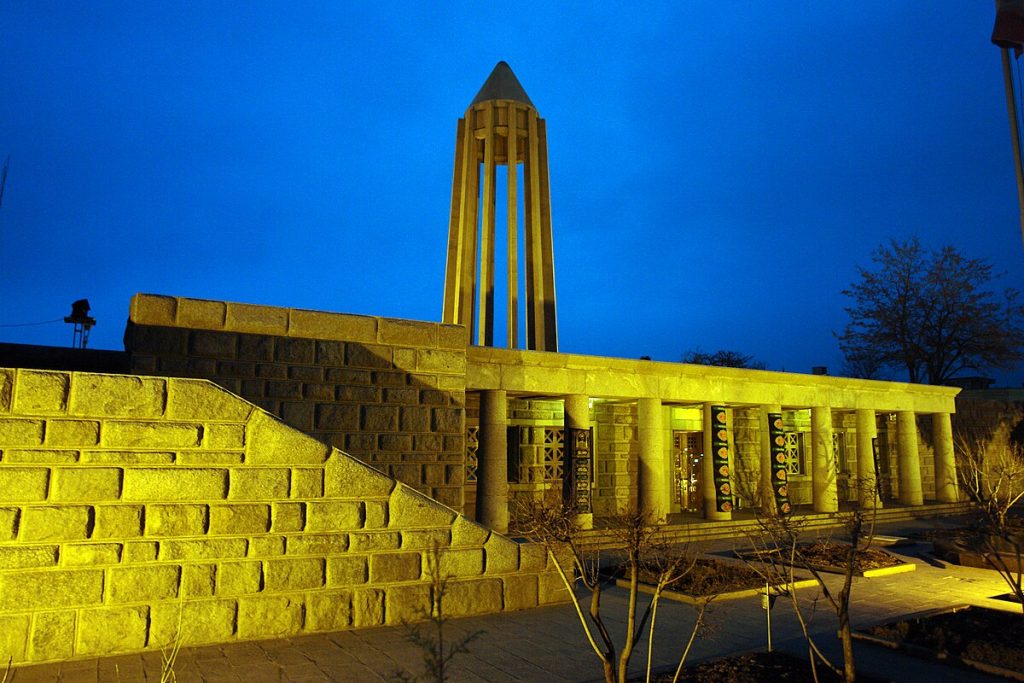
Hamedan Province, in the rugged west of Iran, is a land of dramatic contrasts. Its high-altitude plains, framed by the formidable Alvand Mountain range, experience harsh winters and vibrant summers. This environment shapes a resilient and deeply rooted people.
The province is one of Iran’s oldest continuously inhabited regions, with Ecbatana, the ancient capital of the Medes, lying beneath modern Hamedan. This layered history permeates everything, from the dialect spoken in its villages to the motifs woven into its famous Persian carpets. The province is agriculturally rich, known for its fine fruits and, notably, its raisins. But its most enduring export, alongside its sweet grapes, is its unparalleled craftsmanship in rug weaving.
Hamedani culture is a proud subset of the broader Iranian tapestry, with distinct characteristics. It is a culture of hospitality, where a guest is considered a blessing, and of poetic melancholy, often reflected in local music and literature.
The people of Hamedan are known for their straightforward honesty and strong connection to tradition. This cultural bedrock is the very loom upon which the art of the Persian carpet is stretched. The values of perseverance, attention to detail, and a deep love for natural beauty are not just social virtues; they are the essential tools of the weaver. Every knot tied is a reflection of this cultural identity.
To speak of Iranian culture is to speak of an ancient, sophisticated civilization that has long expressed its highest ideals through art.
For over two millennia, Iranian thought has sought to bridge the earthly and the divine, the material and the spiritual. This pursuit finds sublime expression in Iranian architecture, poetry, music, and, most accessibly, in its arts and crafts. The Persian carpet is perhaps the most globally recognized emblem of this artistic philosophy. It is a microcosm of the Iranian universe: orderly, symbolic, balanced, and infinitely detailed. Each carpet is a poetic expression, where gardens symbolize paradise, and borders represent the protective walls of a sacred space.
Iran’s arts and craftsmanship are a continuous dialogue between generations. In Hamedan, this dialogue is most fluent at the loom. The artistry is not one of wild improvisation but of disciplined execution within a canonical framework.
Weavers, primarily women in home-based workshops, learn patterns and techniques that are centuries old. The craftsmanship lies in the flawless execution: the precision of the symmetric Turkish knot, the consistency of the wool, the clarity of the geometric design, and the mastery of natural dyes derived from pomegranate skins, walnut shells, and indigo. This is slow art, where a single piece can take many months to complete, embodying a profound respect for the materials and the process.
It is with great pride that Hamedan is recognized as a cradle of two of Iran’s traditional treasures: the finest raisins and the foundational Persian carpet. The same sun that sweetens the vineyards also shines on the wool drying in the clean mountain air.
This dual heritage speaks to the province’s bounty—both agricultural and artistic. The geometric, bold patterns of a true Hamedan rug are as iconic to connoisseurs as the region’s seedless grapes are to food lovers. They are two sides of the same coin, both products of a fertile land nurtured by careful, traditional knowledge.
Consider a specific masterpiece from this region: a runner carpet measuring 0.7 meters by 6.6 meters. This distinctive dimension is not arbitrary. It is designed for the architectural spaces of Iranian homes, perfect for lining long corridors, framing seating areas in living rooms, or placing before a row of windows.
This particular Persian carpet from Hamedan would typically feature a repeated geometric medallion or an all-over Herati pattern in a deep, resonant color palette of blues, crimsons, and ivories. The compact weave and high wool content make it exceptionally durable, suited for areas of both beauty and footfall.
Owning a Persian carpet from Hamedan is to own a piece of living history and geography. It is to walk upon a landscape woven with the dreams and diligence of Hamedani artisans. It connects a home in any corner of the world to the high plains of western Iran, to the quiet, rhythmic click of the weaver’s tool, and to an artistic tradition that has weathered millennia. The city of Hamedan does not simply produce carpets; it weaves its very identity into them.
Each piece is a portable homeland, a testament to a culture that finds its deepest expression not in shouting, but in the silent, patient tying of countless knots. In this way, Hamedan speaks softly to the world, through the language of wool and warp, telling its story one meticulous knot at a time.
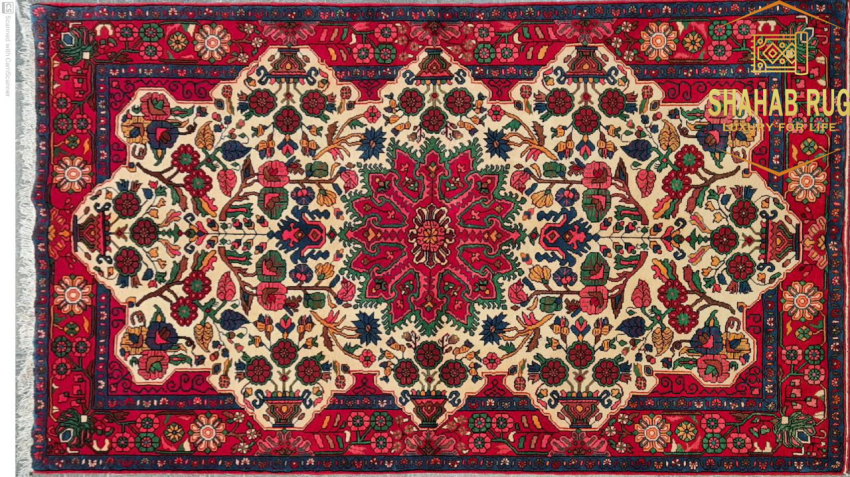
The soul of Iran is woven into its soil, a truth beautifully embodied in the Oshvand carpet. To understand one is to appreciate the other. The name Oshvand itself resonates with a deep, cultural significance. It is not merely a location; it is an origin point for artistry. This village represents a cornerstone of a grand tradition. The legacy of the Oshvand weavers is legendary within the world of Persian rugs. Their hands transform simple wool into narratives of heritage.
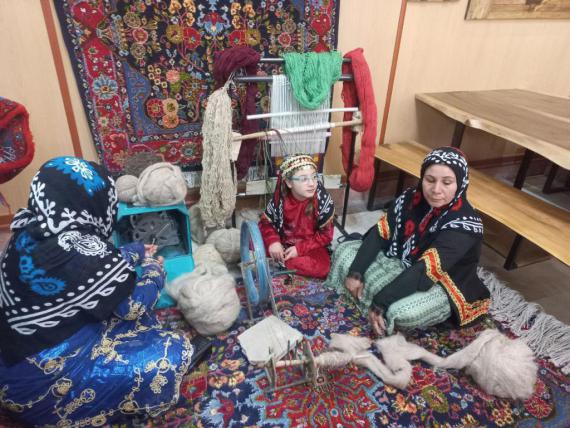
Located within the rugged, beautiful landscape of Hamadan Province, Oshvand village is a bastion of tradition. The air here is different, filled with the quiet concentration of artisans. Life moves to the rhythm of the loom. The village, though small, holds an outsized reputation. It is a place where generations have dedicated themselves to a single, magnificent craft. The specific techniques born in Oshvand are a cherished inheritance. They are passed down from mother to daughter, from father to son.
Hamadan Province is one of Iran’s oldest and most historically significant regions. It is a land of four seasons, where harsh winters give way to lush, vibrant springs. This cyclical nature of life and resilience is deeply ingrained in the local character. The province is a mosaic of cultures, with a rich tapestry of its own. The Hamadani people are known for their warmth, humility, and profound connection to their land. Their culture is a blend of ancient Median heritage and a deeply rooted, authentic Persian identity.
The culture of Hamadan is tangible. You can see it in the ancient inscriptions of Ganjnameh. You can hear it in the local Lori and Turkish dialects. You can taste it in the region’s distinctive cuisine. But perhaps its most enduring expression is the Hamadan carpet. These rugs are known for their durability and geometric clarity. They are the workhorses and heirlooms of the Persian rug family, beloved for their straightforward beauty and robust construction.
Iranian culture is, at its heart, a culture of poetry and patience. It values subtlety, symbolism, and a deep connection to the natural and spiritual worlds. This is not a culture of haste. It is a culture that understands the value of time, of a process that cannot be rushed. The creation of a true Persian rug is the ultimate manifestation of this philosophy. It is an act of meditation, a physical prayer.
The art and craftsmanship of Iran are a national treasure. For millennia, Iranian hands have excelled in calligraphy, tilework, miniature painting, and metalwork. There is a common thread that runs through all these arts: an intricate balance of geometry and fluidity, of mathematical precision and poetic expression. The Persian rug is arguably the most comprehensive synthesis of these artistic principles. It is a canvas, an architectural blueprint, and a spiritual diagram all in one.
The Nahavand carpet, particularly one hailing from Oshvand, is a sublime example of this synthesis. When you acquire a Nahavand carpet, you are acquiring more than a floor covering. You are acquiring a piece of Oshvand’s soul. You are bringing a fragment of Hamadani culture into your home. The very essence of Oshvand is locked within each knot. The weaver’s dreams, the village’s history, the province’s spirit—all are captured there.
The distinct aesthetic of an Oshvand carpet is immediately recognizable to a trained eye. The designs are often dominated by a prominent, geometric medallion at the center. This medallion is typically surrounded by a field of dense, repeating patterns. The motifs are drawn from a ancient lexicon of symbols. You will see the boteh, or paisley, representing life and eternity. You will see stylized flowers and animals, each with its own story to tell.
The color palette of a classic Oshvand carpet is both rich and earthy. Deep madder reds, extracted from the roots of the rubia plant, form a warm, vibrant ground. This is contrasted with shades of indigo blue, ivory, and hints of saffron yellow. The dyes were traditionally derived from local plants and minerals, giving each Oshvand piece a unique, organic quality that synthetic dyes can never replicate. This connection to the land is a hallmark of authenticity.
Considering a piece with the dimensions of 1.5 meters by 2.5 meters is an excellent choice. This size, often referred to as a dozar, is one of the most versatile and practical formats for a Persian rug. It is large enough to anchor a room’s furniture arrangement, perhaps placed beneath a coffee table in a living room, yet it remains manageable and perfectly suited for a wide range of domestic spaces. Its proportions are inherently balanced.
The weaving process for a piece of this size, executed with the fine knot density characteristic of a superior Oshvand product, is a monumental task. A single weaver, working diligently for hours each day, could spend many months on a single carpet. This is a testament to the incredible patience and dedication of the Oshvand artisan. Every knot is tied by hand, a repetitive motion that builds a complex image one tiny point at a time.
To own an Oshvand carpet is to participate in a timeless Iranian tradition. It is to value artisanal skill over industrial mass production. It is to appreciate the story behind an object. In a world of fleeting trends, an Oshvand rug is a statement of permanence. It is an heirloom in the making, destined to be passed down, its value increasing not just monetarily, but emotionally and historically with each generation.
The legacy of Oshvand is secure as long as there are those who cherish true artistry. The village of Oshvand continues to produce these magnificent textiles, upholding standards that have defined their name for centuries. When you walk into a room centered by such a carpet, you feel its presence. It grounds the space. It adds warmth, history, and a silent, beautiful narrative. It is a piece of Iran you can live with every day.
Ultimately, the Oshvand carpet is more than a decorative item. It is a cultural document. It speaks of the land of Hamadan, of the values of Iran, and of the unwavering human spirit that finds its purest expression in creating beauty. It is a testament to the fact that some of humanity’s greatest achievements are not loud or boastful, but are quietly, patiently, and perfectly woven into being. The story of Oshvand is one we should all know.
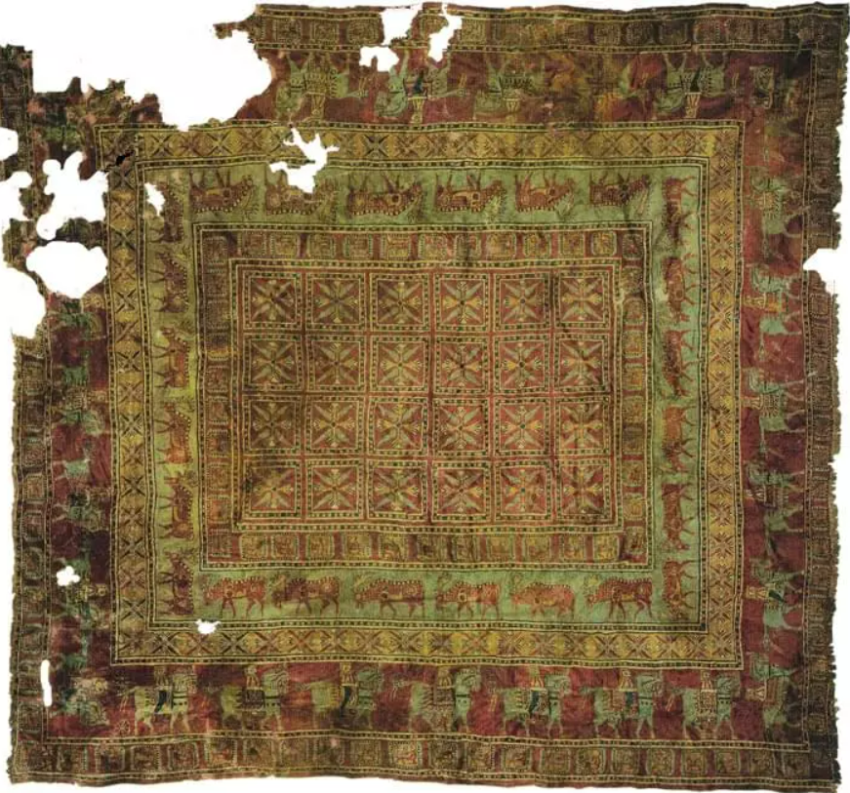
The Pazyryk rug is an archaeological marvel. It was discovered in 1949. The find was in Siberia. More precisely, it was in the Altai Mountains. The Pazyryk burial mound held it. This was the tomb of a Scythian chieftain. The Pazyryk culture, a nomadic people, created these mounds. The Pazyryk artifact was frozen solid. This permafrost preserved it perfectly. The Pazyryk carpet is the world’s oldest surviving pile carpet. Its survival is incredible. The Pazyryk find changed textile history. The Pazyryk rug’s condition is stunning. The Pazyryk discovery was made by Sergei Rudenko. The Pazyryk item dates to the 5th century BC.
The rug’s dimensions are approximately 1.83 by 2 meters. This is roughly 6 by 6.5 feet. It is a near-square carpet. Its size suggests it was a prestigious object. It was not a simple floor covering for a tent. It was likely a central piece for ceremonial use. The fine knotting would have required immense skill. The time to create such a piece would have been considerable. This indicates its high value. Its placement in a chieftain’s tomb confirms its status. It was an object of great wealth and importance.
The question of its origin is central to its story. Was it a trade item or a local creation? The rug was found in a Scythian burial. However, its style is highly sophisticated. The design is complex and perfectly executed. This has led many scholars to propose a Persian origin. They believe it is, in fact, an ancient Persian rug. The Achaemenid Empire was the dominant power of the region. Their art and culture were highly influential. The motifs on the Pazyryk rug bear a striking resemblance to Persepolis reliefs.
Iran, at the time, was the heart of the Persian Empire. Its artisans were unparalleled. Iranian culture has always placed a high value on artistic expression. The creation of textiles was a supreme art form. Weaving was not merely a craft. It was a language. It told stories, represented beliefs, and displayed power. The potential connection between the Pazyryk rug and Iran is profound. It suggests a vibrant exchange of goods and ideas along ancient trade routes. If it is a Persian rug, it is the earliest known example. It sets a benchmark for a tradition that would flourish for millennia.
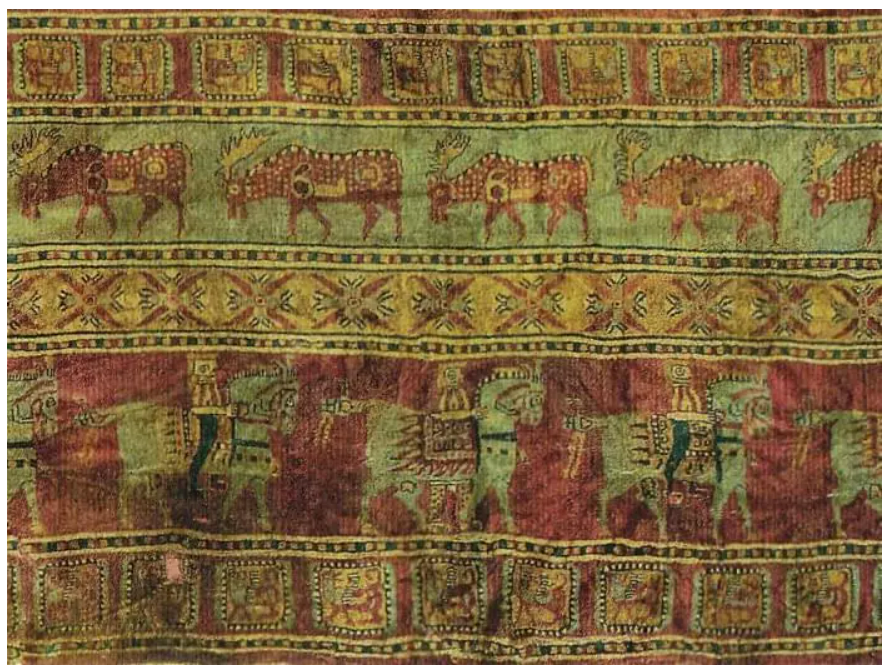
The artistry of the Pazyryk rug is breathtaking. It features a complex field of decorative elements. At its center is a quatrefoil motif. This is surrounded by borders. These borders depict rows of elk and horsemen. The horsemen are shown in great detail. Some are riding, while others are leading their horses. The outermost border features a griffin pattern. The symmetry and precision are remarkable. Every element is balanced. The color palette, derived from natural dyes, remains vibrant. This speaks to the advanced technical knowledge of its creators.
Iran’s art and craftsmanship are legendary. This legacy potentially includes the Pazyryk rug. Persian carpets are renowned for their intricate designs. They are known for their symbolic language and durability. The skills were passed down through generations. Weavers in Iran perfected the double knot, known as the asymmetrical knot. This technique allows for incredible detail. The foundation of a Persian rug is just as important as the pile. The Pazyryk rug uses a strong foundation of camel wool. This provides a sturdy base for the sheep’s wool pile.
The craftsmanship seen in the Pazyryk rug is a testament to this ancient skill. The knot density is high. Estimates suggest over 200,000 knots per square meter. This density allows for the detailed imagery of riders and animals. Such precision does not appear in a vacuum. It is the product of a mature and sophisticated weaving tradition. This level of artistry aligns perfectly with what we know of Iranian craftsmanship from that era. The rug is a potential missing link. It connects the nomadic art of the steppes with the refined courtly art of Persian empires.
Today, the Pazyryk rug resides in the HermitageMuseum in Saint Petersburg. It is a window into a lost world. It tells a story of nomads and empires. It speaks of trade and artistic influence. Its survival against all odds allows us to appreciate ancient artistry directly. The rug is more than an artifact. It is a narrative woven in wool. It continues to inspire awe and scholarly debate. Its legacy is immense. It remains the foundational piece for understanding the history of carpet weaving. The Pazyryk rug is an irreplaceable treasure of human heritage.
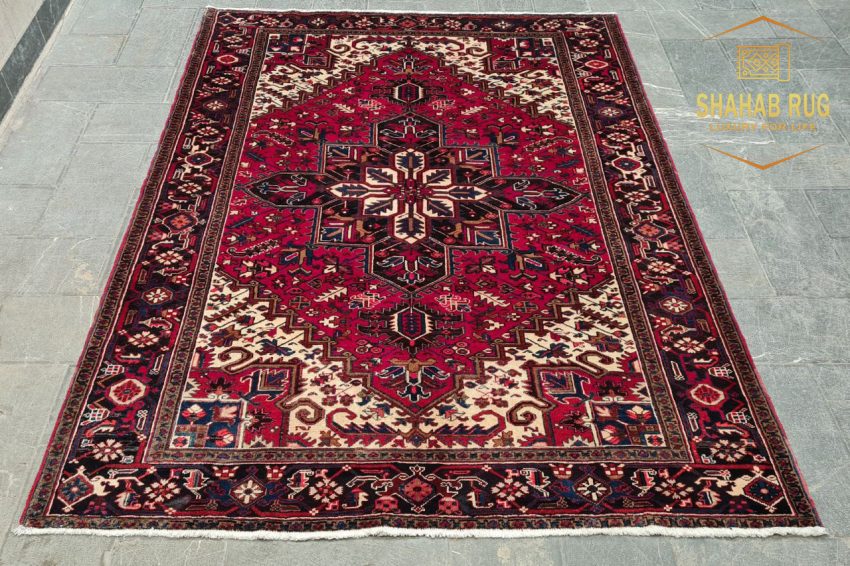
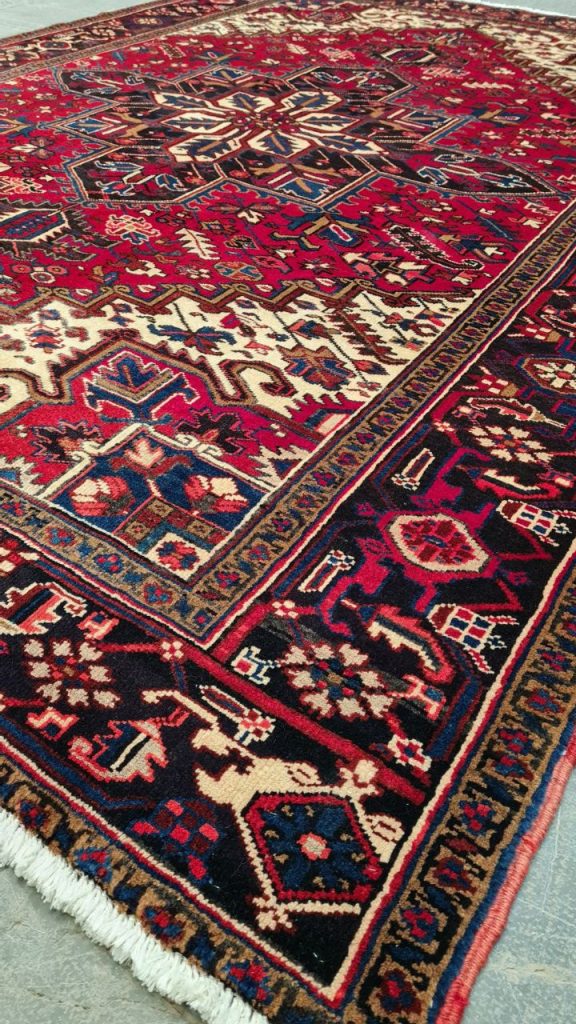
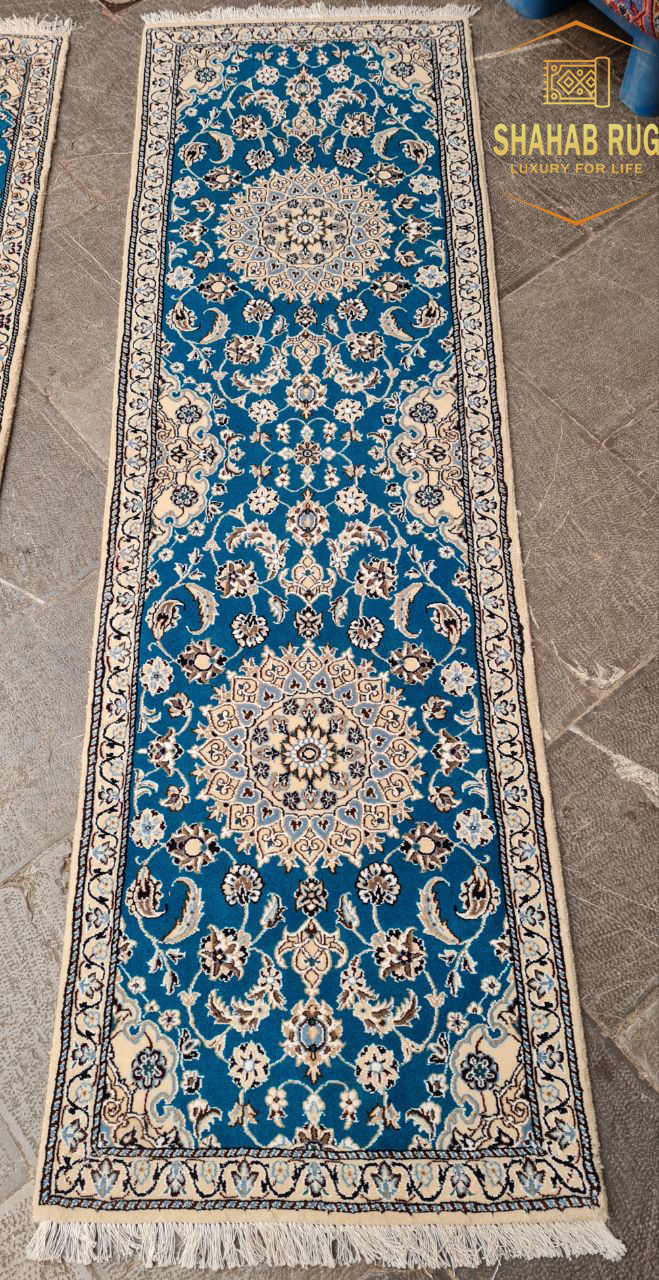
What stuff comes to your mind when you think of Persian Carpet ?
Big size carpet which can be lied down on the ground in Living room , dining room , bedroom , etc . ?? !
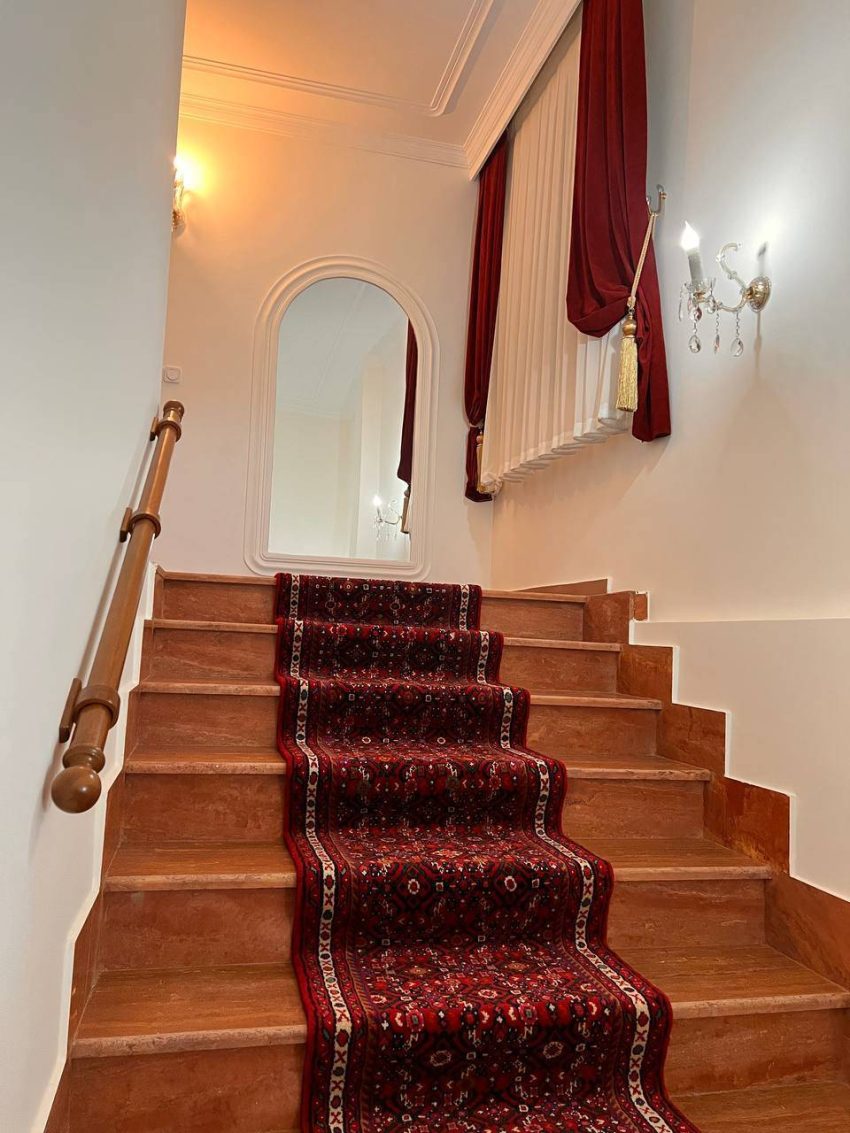
But have you ever thought that luxury long narrow Persian carpets can be applied in other locations like stairs ?
In hotels , Double X mansions , etc.
Just take a look at Hossein Abad rug which had been applied in one of customer’s house .
It conveys luxury and beauty of its nature.