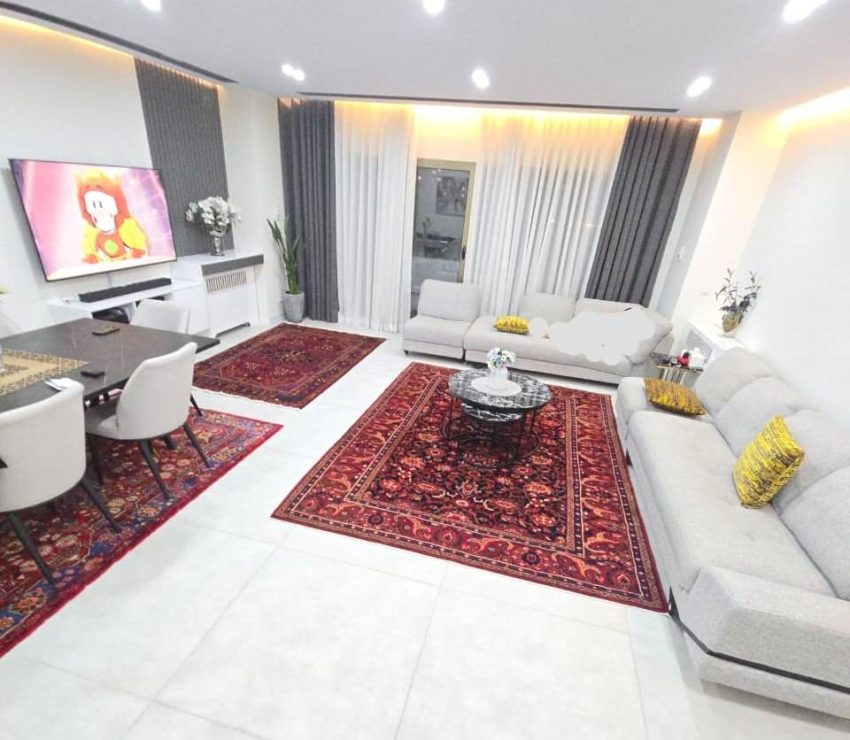
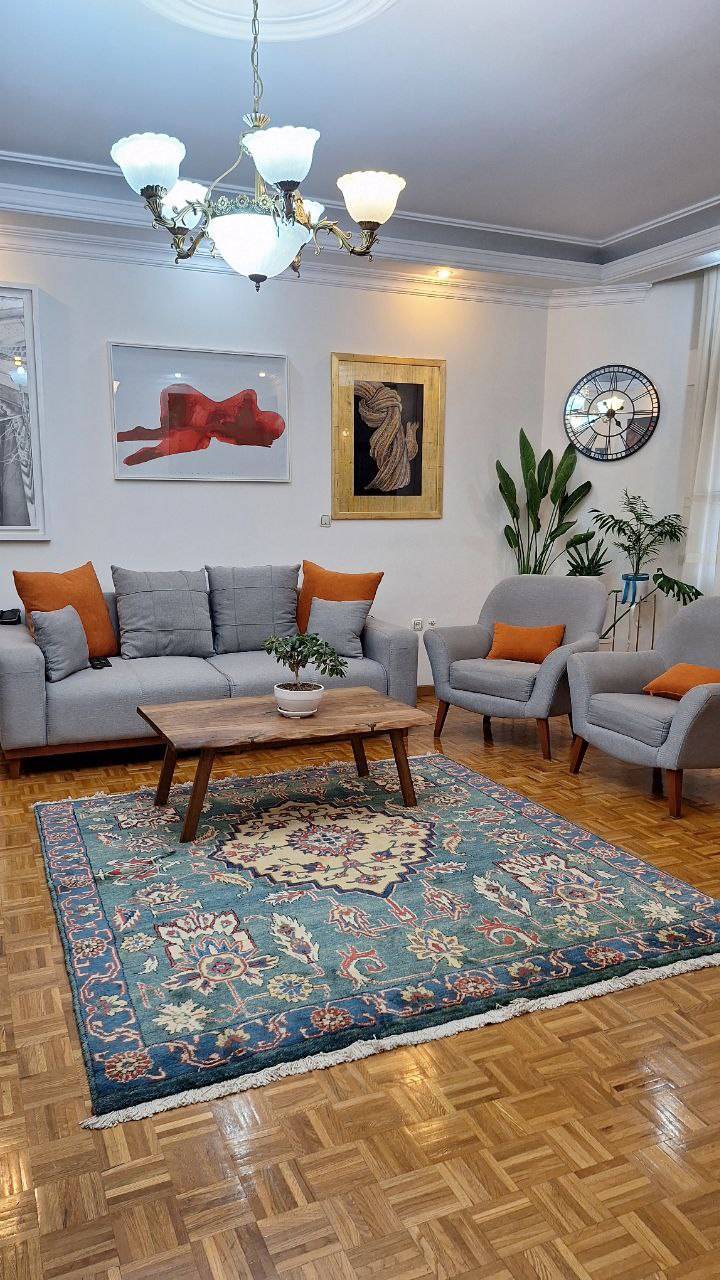
Attractive piece of Art
Posted on by Shahabrug
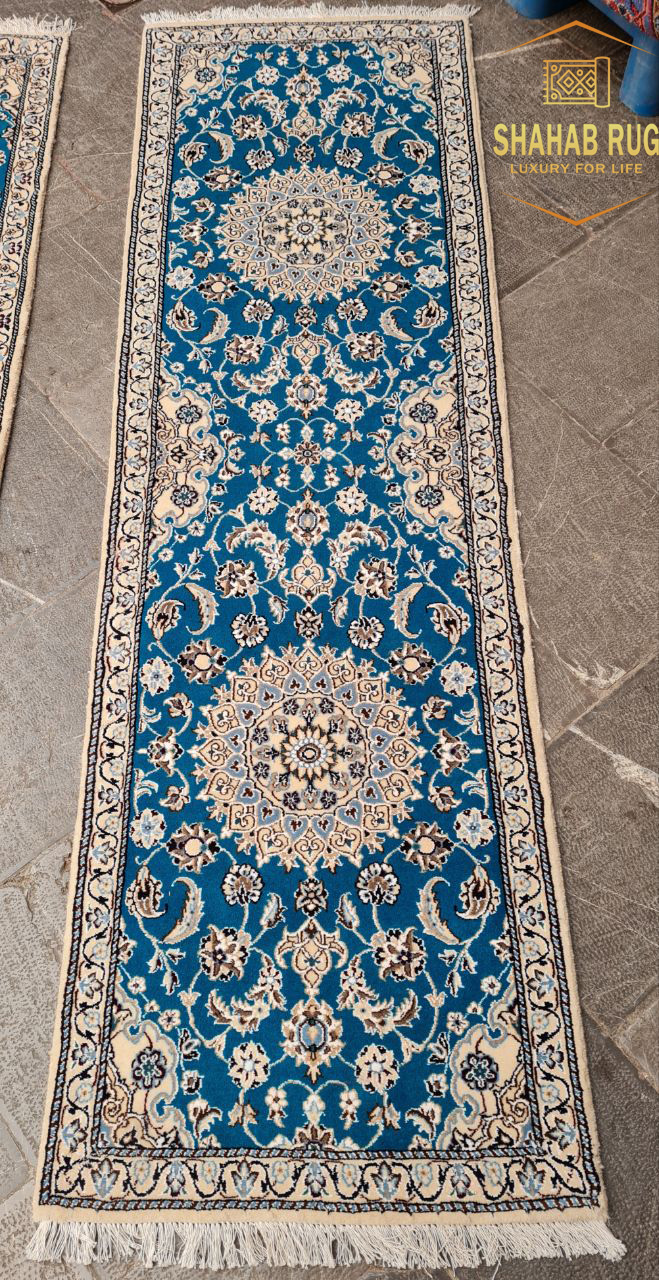
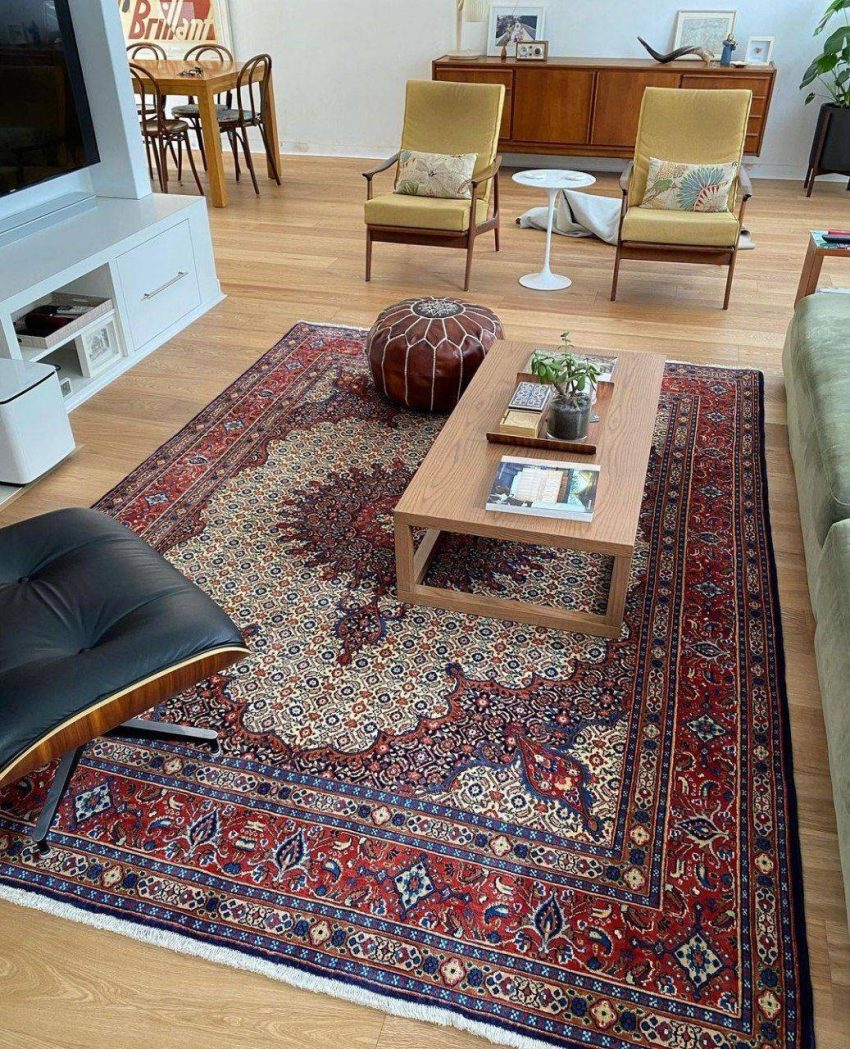
The Artistry of Persian Carpet : A Masterpiece Nain Rug for Discerning Homes
When one speaks of Persian carpets , the mind immediately conjures images of intricate patterns, rich colors, and unparalleled craftsmanship.
Nain_rug : Among these treasured floor coverings, the Nain rug stands as a crowning achievement of Iranian weaving tradition.
This particular hand-knotted runner exemplifies why Persian carpets have been coveted across continents for centuries, combining technical mastery with breathtaking artistry in a form that elevates any living space.
Unraveling the Threads of Excellence
At the heart of this Nain rug’s exceptional quality lies its hand-knotted construction. Each of the 510,000 knots per square meter is tied with meticulous precision by master weavers whose skills have been passed down through generations.
This astonishing knot density – among the highest in Persian carpets – ensures not only remarkable durability but also allows for extraordinarily detailed patterns that seem to come alive underfoot.
The natural wool fibers, carefully selected for their softness and resilience, create a luxurious texture that becomes more supple with time, making this Nain rug an heirloom piece destined to grace homes for decades.
Nature’s Palette: The Beauty of Herbal Dyes
What truly sets this Persian carpet apart is its radiant coloration achieved through herbal dyes. Unlike synthetic alternatives, these natural pigments derived from plants, roots, and minerals produce hues that deepen and mellow beautifully with age.
The dyers of Nain have perfected their craft over centuries, creating a chromatic spectrum that ranges from warm terracotta’s to deep indigos – all while maintaining complete environmental sustainability.
This commitment to natural materials results in a Nain rug whose colors tell a story of tradition and harmony with nature.
Dimensions Designed for Graceful Living
Measuring 2.05 x 0.66 meters, this runner is perfectly proportioned to enhance various spaces in the modern home.
Its slender profile makes it ideal for : – Flanking dining tables – Adorning hallways – Accenting bedroom floors – Decorating entryways The size allows the intricate patterns to shine without overwhelming the space, while the length provides ample coverage for high-traffic areas.
This thoughtful dimensioning reflects the practical wisdom embedded in Persian carpet design, where beauty always serves function.
Nain: Where Tradition Meets Innovation
The city of Nain, located in Iran’s storied Isfahan province, has been a beacon of textile excellence since ancient times. The Nain rug tradition emerged as a distinct style in the early 20th century, combining elements from various Persian carpet schools with unique local innovations.
What makes Nain’s output particularly remarkable is : – The exceptional fineness of weave – Characteristic ivory or cream backgrounds – Delicate floral and arabesque motifs – Frequent incorporation of silk highlights Artisans in Nain typically work on vertical looms, their skilled hands moving with rhythmic precision as they translate intricate designs into tangible beauty.
A medium-sized Nain rug can take several months to complete, with larger pieces requiring years of dedicated labor.
Isfahan: The Cradle of Persian Arts
The province of Isfahan, home to Nain, represents the pinnacle of Iranian artistic achievement. Known historically as “Nesf-e-Jahan” (Half of the World), Isfahan’s contributions to Islamic art extend far beyond Persian carpets.
The region is equally renowned for: – Magnificent Islamic architecture – Exquisite miniature paintings – Enamelwork and metal engraving – World-class calligraphy – Traditional music and poetry This rich cultural ecosystem nourishes the carpet-weaving tradition, ensuring that each Nain rug carries within it echoes of Persia’s glorious artistic heritage.
The designs often incorporate elements from Isfahan’s famous mosques and palaces , creating a visual dialogue between different art forms.
The Making of a Masterpiece Creating a Persian carpet of this caliber involves numerous meticulous steps:
1. Design conception: Artists draw intricate patterns inspired by nature and geometry
2. Wool preparation: Natural fibers are cleaned, carded, and spun by hand
3. Dyeing process: Materials undergo multiple stages of natural dyeing
4. Weaving: Skilled artisans tie each knot with precision
5. Finishing: The rug is carefully trimmed, washed, and dried This labor-intensive process ensures that every Nain rug is not merely a floor covering, but a portable work of art that embodies centuries of accumulated knowledge.
Why Choose a Genuine Nain Rug?
In an era of mass production, authentic Persian carpets stand as bastions of traditional craftsmanship.
This particular Nain rug offers: – Unmatched durability: The high knot count ensures decades of use – Investment value: Fine Persian carpets often appreciate over time – Health benefits: Natural materials improve indoor air quality – Thermal properties: Wool provides natural insulation – Aesthetic versatility: Complements both classic and contemporary decor Moreover, each piece tells a unique story through its patterns and colors, making it a conversation starter that reflects the owner’s discerning taste.
Caring for Your Persian Treasure
To preserve the beauty of your Nain rug : – Rotate periodically to ensure even wear – Vacuum gently without beater bars – Clean spills immediately with mild detergent – Professionally clean every 2-3 years – Avoid prolonged direct sunlight With proper care, this Persian carpet will maintain its splendor for generations, potentially becoming a cherished family heirloom.
A Legacy Woven in Wool
Owning this Nain rug means participating in a tradition that stretches back millennia. Persian weavers have been perfecting their art since at least 500 BC, with techniques and patterns evolving while maintaining their essential character.
The rug you’re considering represents not just a decorative object, but: – A link to ancient civilizations – A testament to human creativity – A symbol of cultural endurance – An embodiment of artistic perfection In today’s disposable culture, such objects of permanence and meaning become even more valuable.
Bringing Persian Elegance Home
Whether you’re a seasoned collector or acquiring your first Persian carpet , this Nain rug offers an exceptional opportunity to own a piece of living history.
Its timeless design ensures it will never go out of style, while its superior craftsmanship guarantees years of practical use and visual pleasure. We invite you to experience the magic of authentic Persian weaving firsthand.
Let this masterpiece transform your space into a gallery of textile art, where every glance rewards you with intricate beauty and every step connects you to an ancient tradition of excellence. After all, a home graced by a genuine Nain rug is a home touched by the soul of Persia itself.
Mystery of Shiraz rug
Posted on by Shahabrug
The Art of Shiraz Rug
One of the most significant contributions of Shiraz to Persian culture is its exquisite rugs. The Shiraz rug (One of the type of Persian Carpet) is a symbol of craftsmanship and artistry. These rugs are renowned for their bold colors, geometric patterns, and intricate designs that often reflect the natural beauty of the region.
Weaving Shiraz rugs is a time-honored tradition passed down through generations. Artisans use high-quality materials such as wool and cotton to create durable and luxurious pieces. The vibrant hues found in Shiraz rugs are derived from natural dyes, resulting in stunning color palettes that can brighten any space.
Shiraz rugs often feature motifs inspired by local flora and fauna, as well as traditional geometric patterns. Each rug tells a story, representing the culture and heritage of Shiraz. Owning a Persian carpet or Shiraz rug is not just about aesthetics; it is about possessing a piece of history that carries the essence of the region.
Shiraz, a city in southwestern Iran, is renowned for its rich history, vibrant culture, and stunning landscapes. Nestled at the foot of the Zagros Mountains, Shiraz is often referred to as the “city of poets” and “city of roses.” This enchanting destination offers a unique blend of tradition and modernity, making it a must-visit for travelers seeking to immerse themselves in Persian culture.
Location of Shiraz
Shiraz is strategically located in the Fars Province of Iran. It lies approximately 900 kilometers south of Tehran, the capital. The city’s elevation at about 1,500 meters above sea level contributes to its mild climate, particularly during spring and autumn. This favorable weather has made Shiraz a hub for agriculture, particularly famous for its vineyards and citrus orchards.
The city is also a gateway to several historical sites, including the ancient ruins of Persepolis and the stunning Nasir al-Mulk Mosque, known for its breathtaking stained glass windows. Visitors to Shiraz can explore these landmarks while enjoying the city’s beautiful parks and gardens, such as Eram Garden, which is a UNESCO World Heritage site.
Culture of Shiraz
Shiraz boasts a vibrant cultural scene that reflects the city’s historical significance. It has been the birthplace of many famous Persian poets, including Hafez and Saadi. Their works continue to inspire generations and are celebrated throughout the city. Poetry readings and cultural festivals are common, attracting both locals and tourists.
The people of Shiraz are known for their hospitality and warmth. Traditional music, dance, and art play an essential role in daily life. The city hosts various cultural events throughout the year, showcasing local artisans and their crafts. The atmosphere in Shiraz is infused with creativity, making it a lively place to experience Persian culture firsthand.
Why Invest in a Shiraz Rug?
Investing in a Shiraz rug is an excellent choice for anyone looking to enhance their home decor. These rugs are not only beautiful but also versatile. They can complement various interior styles, from traditional to modern.
Moreover, Shiraz rugs are known for their durability. Crafted with care and attention to detail, they can withstand heavy foot traffic while maintaining their beauty over time. A well-maintained Shiraz rug can last for decades, making it a worthwhile investment.
When selecting a Persian carpet, consider the size and design that best fits your space. Whether you prefer bold colors or subtle patterns, there is a Shiraz rug that will suit your taste.
Caring for Your Shiraz Rug
To ensure your Shiraz rug remains in excellent condition, proper care is essential. Regular vacuuming helps remove dirt and debris that can accumulate over time. Use a vacuum with a gentle setting to protect the fibers.
In addition to vacuuming, consider professional cleaning every few years. This will help maintain the vibrant colors and intricate designs that make your Persian carpet special. When spills occur, act quickly by blotting the area with a clean cloth rather than rubbing it.
The Heart of Persian Culture
Shiraz is truly a cultural gem within Iran. Its rich history, warm hospitality, and artistic spirit make it a captivating destination for travelers. The tradition of weaving Shiraz rugs adds another layer to this vibrant city’s identity.
By investing in a Persian carpet, you bring home not just a decorative item but also a piece of Shiraz’s rich heritage. These rugs embody the artistry and culture of this enchanting city, making them timeless treasures that can enhance any living space.
Explore the beauty of Shiraz and discover how its culture continues to inspire art and craftsmanship around the world. Whether you visit this remarkable city or bring home a piece of it through a Shiraz rug, you’ll find yourself connected to its enduring legacy.
Affordable Persian rug covering on furniture (2)
Posted on by Shahabrug
Persian rugs are renowned worldwide for their intricate designs, rich colors, and exceptional craftsmanship. These rugs are not only functional but also serve as works of art, often passed down through generations as family heirlooms.
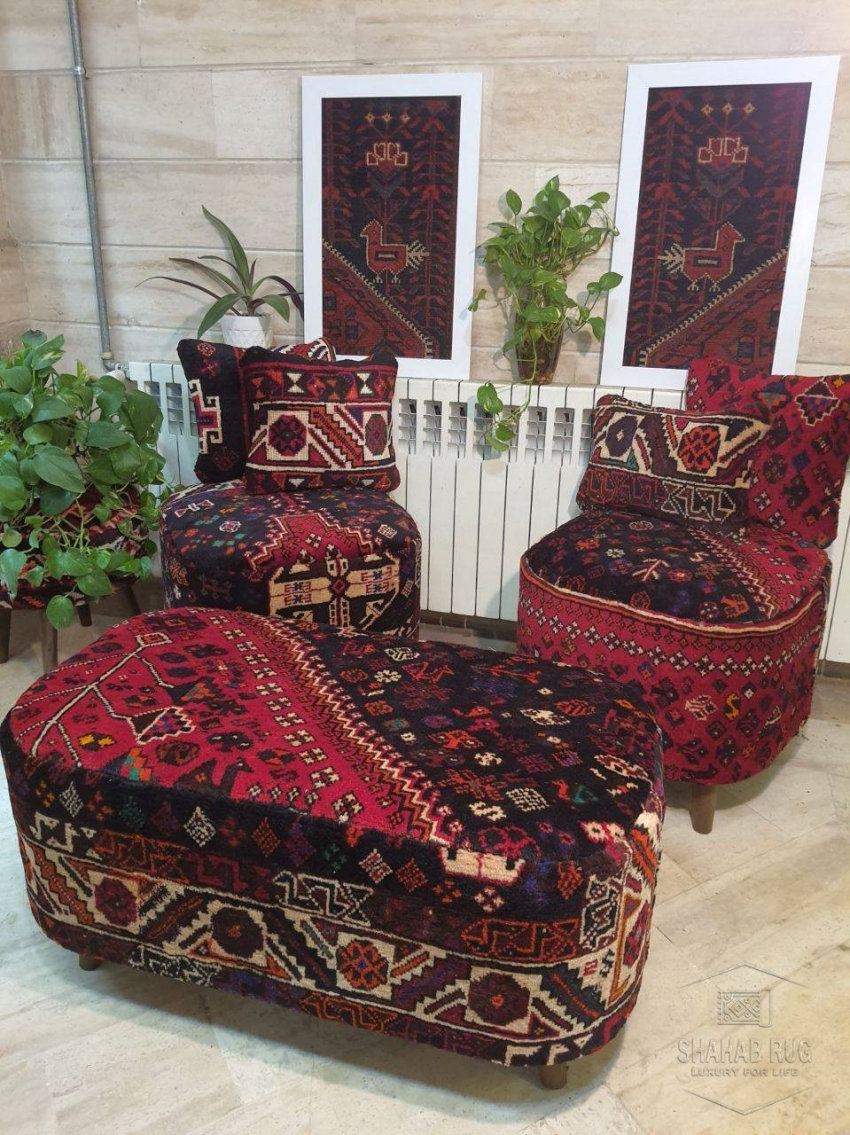
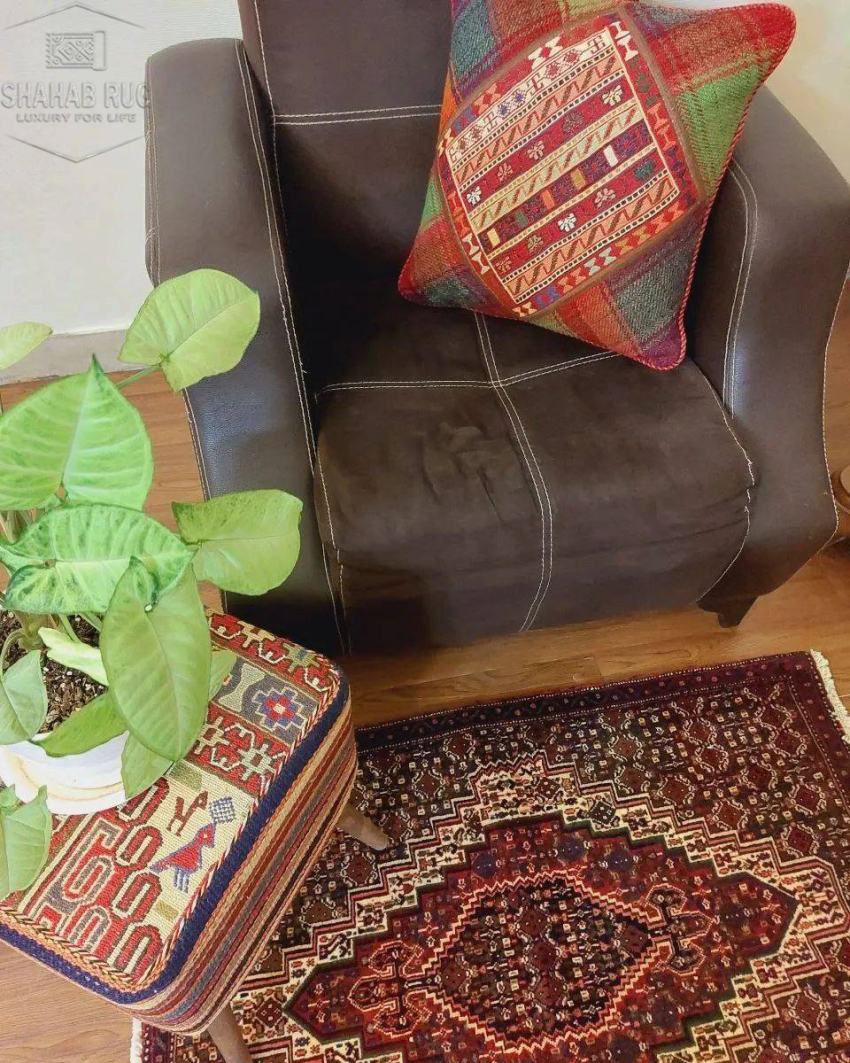
One of the most creative and practical ways to incorporate Persian rugs into modern interior design is by using them as coverings for stools. This unique application not only preserves the beauty of the rug but also adds a touch of elegance and cultural significance to any space.
Using a Persian rug to cover a stool is a brilliant way to repurpose an old or damaged rug that may no longer be suitable for use on the floor. Instead of discarding a cherished piece, transforming it into a stool cover allows you to continue enjoying its beauty in a new form.
The process involves carefully measuring the stool’s dimensions and cutting the rug to fit perfectly. The edges can be neatly hemmed or adorned with decorative trim to ensure a polished finish.
This method not only breathes new life into the rug but also creates a functional and visually appealing piece of furniture.
The intricate patterns and vibrant colors of Persian rugs make them ideal for adding a focal point to any room.
When used as a stool covering, the rug becomes a conversation starter, drawing attention to its detailed motifs and rich history.
Whether placed in a living room, bedroom, or study, a Persian rug-covered stool can serve as a statement piece that complements the overall decor.
The versatility of these rugs allows them to blend seamlessly with various interior styles, from traditional to contemporary.
One of the key advantages of using a Persian rug as a stool covering is its durability. Persian rugs are traditionally handwoven using high-quality materials such as wool, silk, or cotton, making them incredibly resilient.
This durability ensures that the stool covering will withstand daily use while maintaining its beauty over time. Additionally, the natural fibers used in Persian rugs are known for their softness and comfort, making the stool not only visually appealing but also pleasant to sit on.
Another benefit of this creative application is the ability to customize the stool to suit your personal style. Persian rugs come in a wide range of designs, from floral and geometric patterns to intricate medallions and pictorial scenes.
By selecting a rug that resonates with your aesthetic preferences, you can create a one-of-a-kind stool that reflects your unique taste.
Furthermore, the process of choosing and repurposing the rug can be a deeply personal and rewarding experience, connecting you to the rich cultural heritage of Persian craftsmanship.
In addition to their aesthetic and functional benefits, Persian rug-covered stools can also serve as a sustainable choice for home decor.
By repurposing an existing rug, you are reducing waste and contributing to a more environmentally friendly lifestyle.
This approach aligns with the growing trend of upcycling and sustainable design, which emphasizes the importance of reusing and repurposing materials to minimize environmental impact.
Caring for a Persian rug-covered stool is relatively straightforward. Regular vacuuming and occasional spot cleaning can help maintain its appearance and extend its lifespan.
It is also advisable to rotate the stool periodically to ensure even wear and prevent fading from prolonged exposure to sunlight.
By taking these simple steps, you can ensure that your Persian rug-covered stool remains a cherished part of your home for years to come.
In conclusion, using a Persian rug to cover a stool is a creative and practical way to incorporate the beauty and craftsmanship of these timeless pieces into your home decor.
Whether you are repurposing an old rug or selecting a new one for this purpose, the result is a unique and elegant piece of furniture that adds character and charm to any space.
With their durability, versatility, and cultural significance, Persian rug-covered stools are a testament to the enduring appeal of these exquisite textiles.
Luxury Persian rug covering on furniture
Posted on by Shahabrug
Luxury Persian rug covering on furniture in which nestled within the heart of a cozy living space, the sofa draped in a rich Persian carpet exudes an air of elegance and warmth that beckons one to sit down and unwind.
This unique fusion of furnishings transforms the ordinary into the extraordinary, creating a captivating focal point that draws the eye and invites conversation.
The sofa itself boasts a classic silhouette, with gently curved arms and plush cushions that promise comfort and support.
Its frame, perhaps crafted from sturdy hardwood, showcases intricate detailing that hints at craftsmanship and quality. However, it is the exquisite Persian carpet that takes center stage, enveloping the sofa in a tapestry of vibrant colors and intricate patterns.
The carpet’s deep reds, rich blues, and warm golds weave together in a harmonious dance, telling stories of ancient artistry and cultural heritage.
As one gazes at this enchanting piece, they can’t help but appreciate the meticulous craftsmanship evident in the carpet’s design.
Each motif, whether it be floral, geometric, or abstract, seems to come alive, inviting viewers to explore its depths and discover hidden meanings.
The soft texture of the carpet adds an inviting layer of tactile delight, making it a perfect spot to sink into with a good book or to share laughter with friends over coffee.
The juxtaposition of the sofa’s structure and the flowing patterns of the Persian carpet creates a delightful contrast, where modern comfort meets timeless tradition.
This combination not only elevates the aesthetic appeal of the room but also speaks to a narrative of cultural appreciation and personal style.
It becomes a statement piece that reflects the owner’s taste for the unique and the beautiful.
Surrounded by carefully chosen accessories—perhaps a vintage coffee table adorned with art books or a collection of decorative pillows that echo the carpet’s hues—the sofa becomes more than just furniture; it transforms into a sanctuary of relaxation and inspiration.
The rich tapestry invites guests to linger longer, to feel at home in its embrace, and to engage in heartfelt conversations that echo through time.
In this setting, every detail matters. The way the light dances across the fabric, casting shadows that highlight the intricate patterns of the carpet, adds an ethereal quality to the space.
Whether bathed in the soft glow of morning sunlight or illuminated by the warm flicker of evening candles, the sofa covered by the Persian carpet remains a timeless testament to beauty, comfort, and cultural richness—a true centerpiece for any home.
Charming Sanandaj Persian doormat rug
Posted on by Shahabrug
We are the proud owner of a beautiful Persian rug, specifically crafted in the city of Sanandaj.
The city of Sanandaj, located in the western part of Iran.
This is designed in the size of a doormat, serves as both a practical addition to home and a work of art.
The use of high-quality natural wool ensures that this carpet is not only durable but also soft and inviting underfoot.
The design of the carpet reflects traditional motifs that are rooted in Persian culture.
Positioned at the entrance of home, this doormat-sized carpet welcomes guests.
Luxury upholstery and Cushion with Persian Rug
Posted on by Shahabrug
Persian rug has lots of advantages.
One of the interesting matter about Persian Rug which has not been discussed , is versatility of Persian Rug.
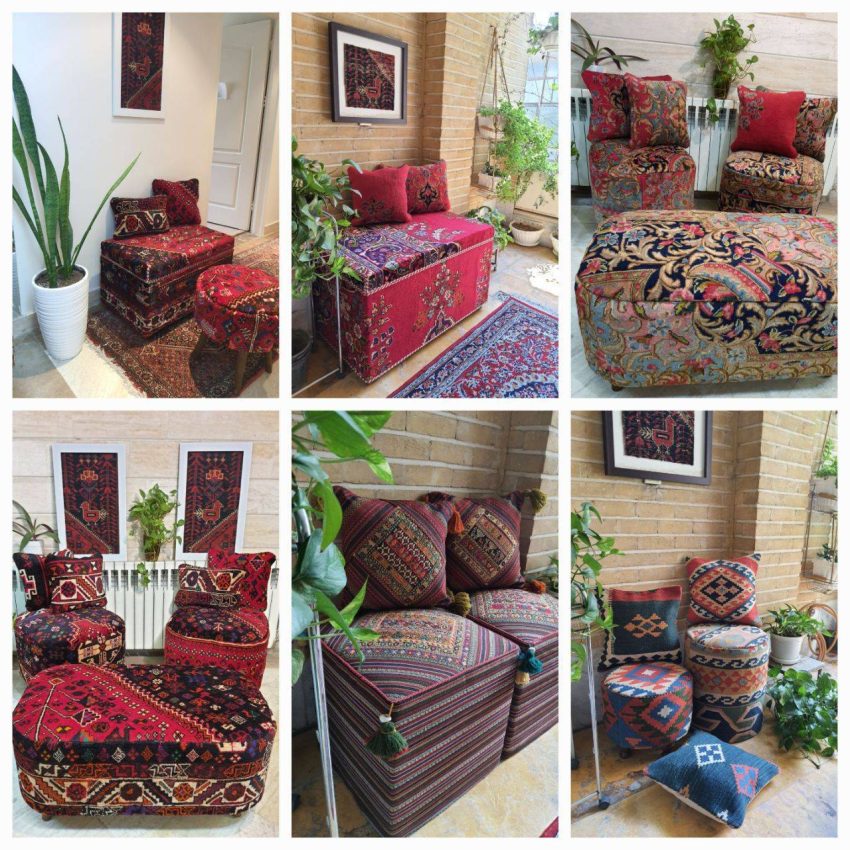
The Persian rugs are not just a decorative element for flooring; it also serves as a luxurious thing in various applications, including upholstery and cushions.
Persian rug textiles can transform furniture pieces.
Additionally, Persian rugs are often used as wall hangings or art pieces, which shows designs and craftsmanship that elevate the aesthetic of interior environments.
These versatility shows that designers can use Persian rug in both contemporary and classic décor

Fabulous Mud Fish design rug
Posted on by Shahabrug
Mud, a city located in the southern region of Khorasan province in Iran
In weaving Persian Rug , Mud is often overshadowed by its more famous counterparts like Isfahan, Tabriz , Mashhad , Nain, and Kashan.
Why ? Because many Iranian believe Fish design belongs to those cities rather than others.
The fish motif, which is traditionally woven in the centers of Isfahan, Nain, and Kashan and Tabriz , has cultural in the Iran market.
It symbolizes the connection between life and water that are deeply embedded in Persian culture.
Yet , the most interesting news is that this design (Fish) is woven in Mud as well. (Honestly nobody knows in Iran but rarely professional)
While many may think that such designs are exclusive to the mentioned cities, Mud’s artisans weave this motif.
The artisans in Mud use traditional techniques through generations.
In addition to the fish design, Mud’s rugs often involve in other traditional Persian patterns.
Just take a look at the charming Fish design of Mud rug
Nanaj Rug
Posted on by Shahabrug
Let us talk about a village in Iran that even many Iranians don’t know.
Nanaj
A Hidden Gem in Hamedan Province
Located between the cities of Malayer and Hamedan.
Nanaj is a village that has the rich cultural of Hamedan Province.
It is believed to be one of the oldest provinces in Iran, with a history that dates back thousands of years.
The village is renowned for its Chahar Chang rugs.
Nanaj is more than just a village; it is a history of Hamedan Province.
See a Nanaj rug above and enjoy it.
Sabzevar Rug
Posted on by Shahabrug