
Taste and the Antique
Posted on by Shahabrug
It is believed by many Iranian that hand-woven rug would be more luxurious by the time the being.
Hold onto the longer time , will be more valuable.
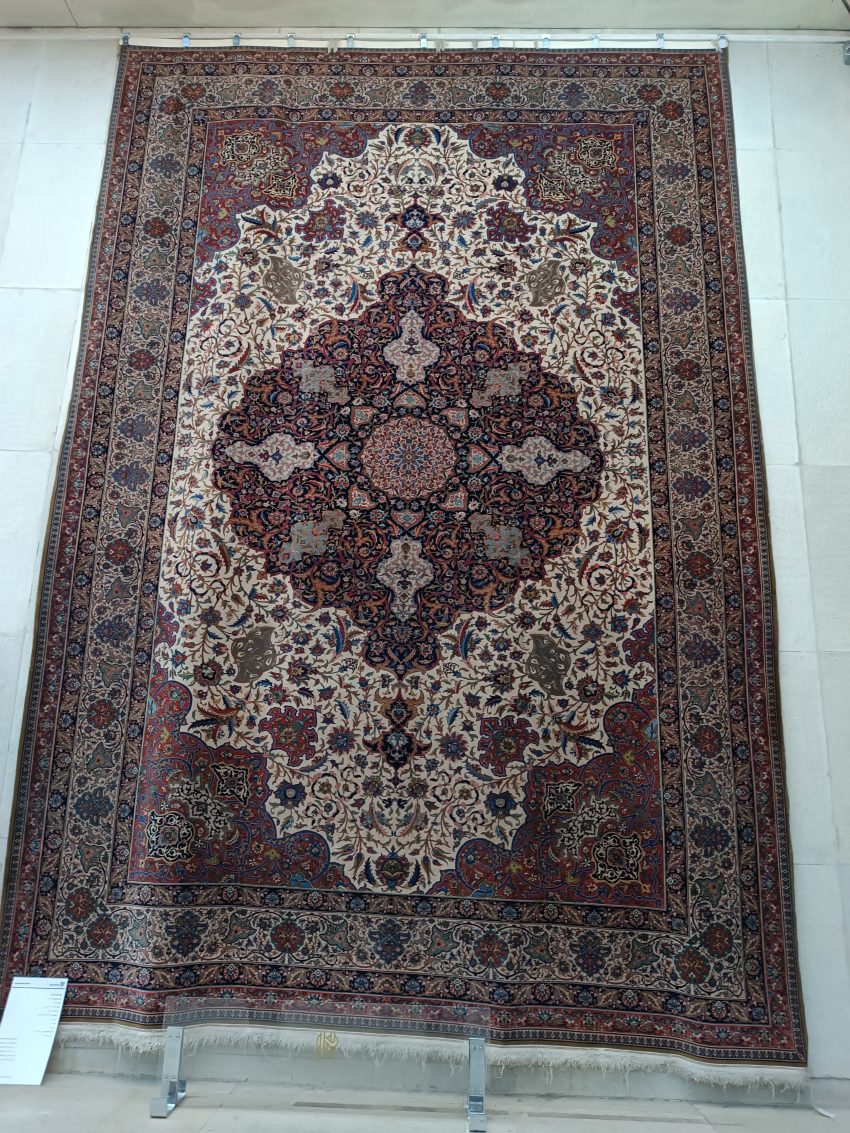
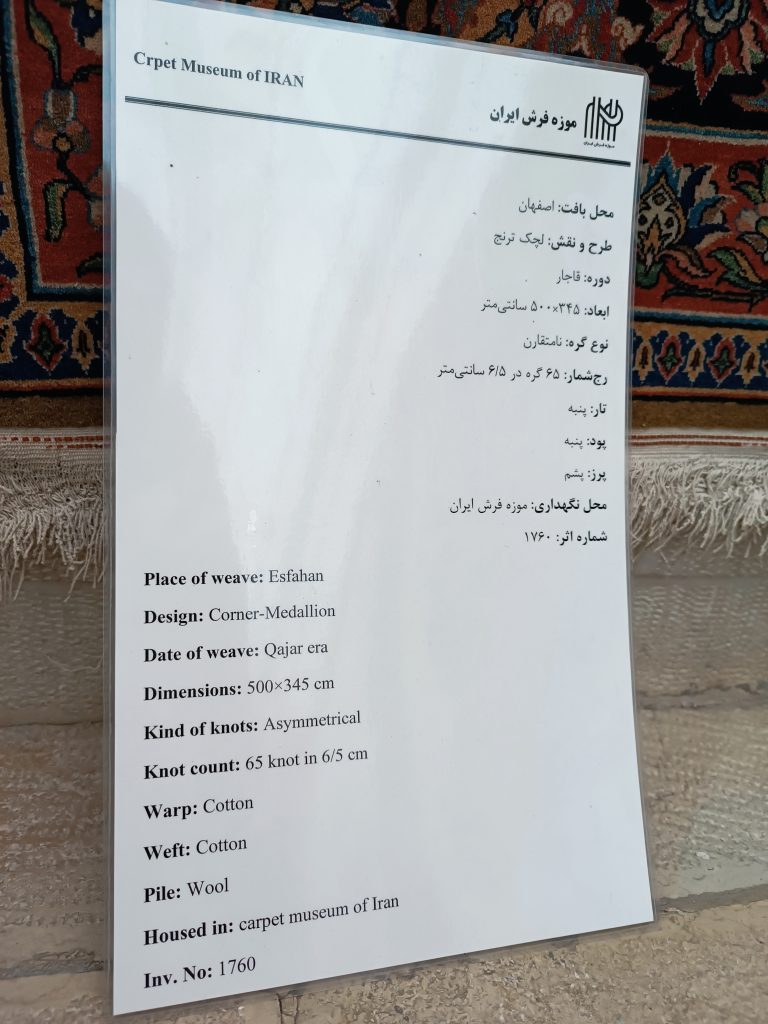
Here you can find one of the luxurious rug of Iran :
Take a look at photo below
(When it says Qajar era , it means more that 100 years ago. Still alive and beautiful)
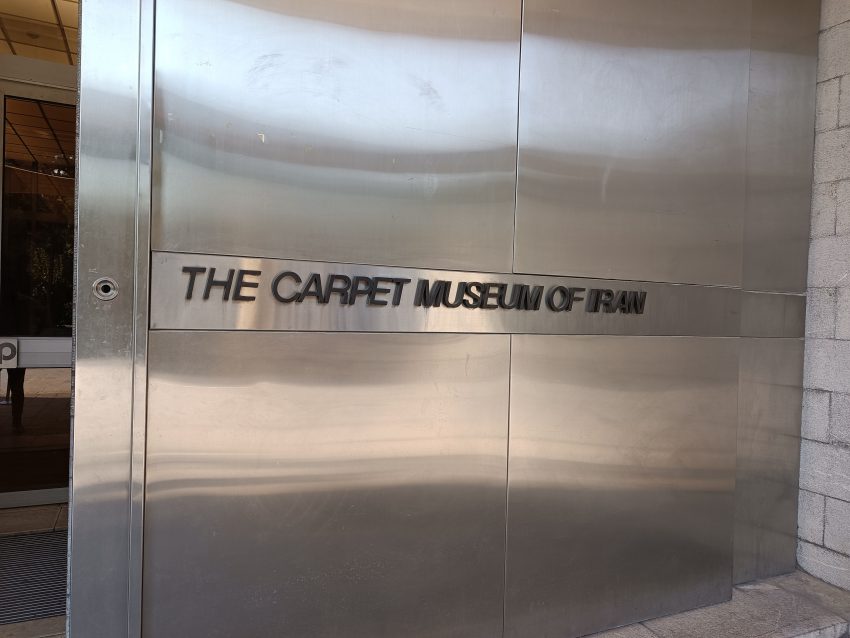
Iranian Carpet Exhibition
Posted on by Shahabrug
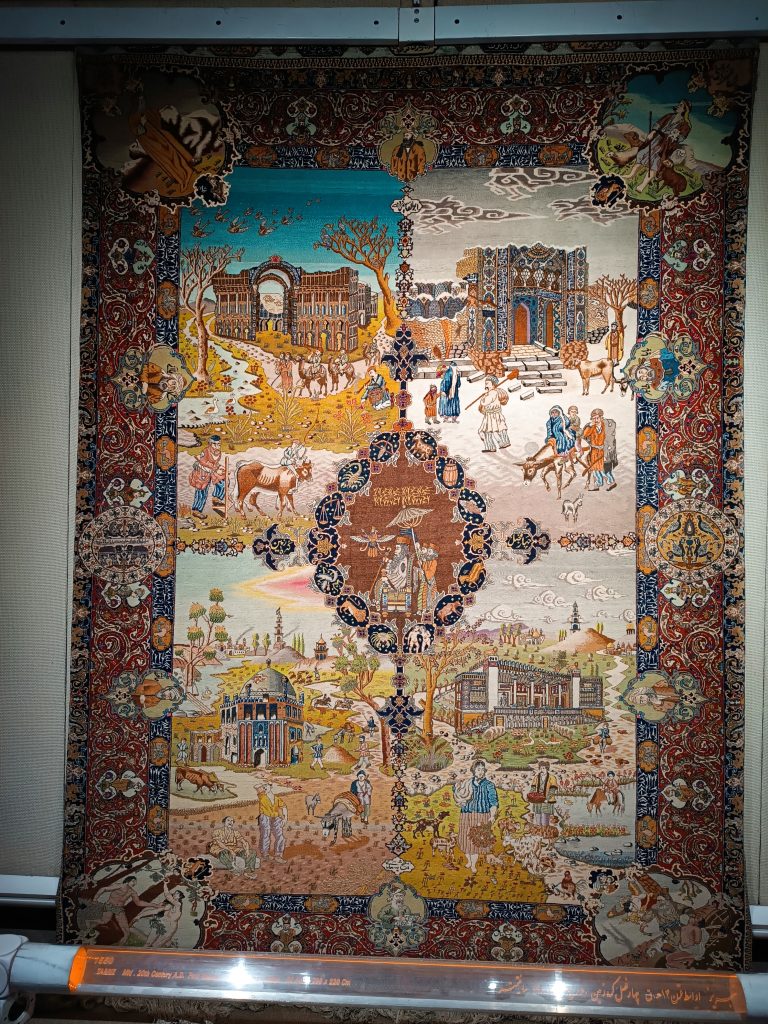
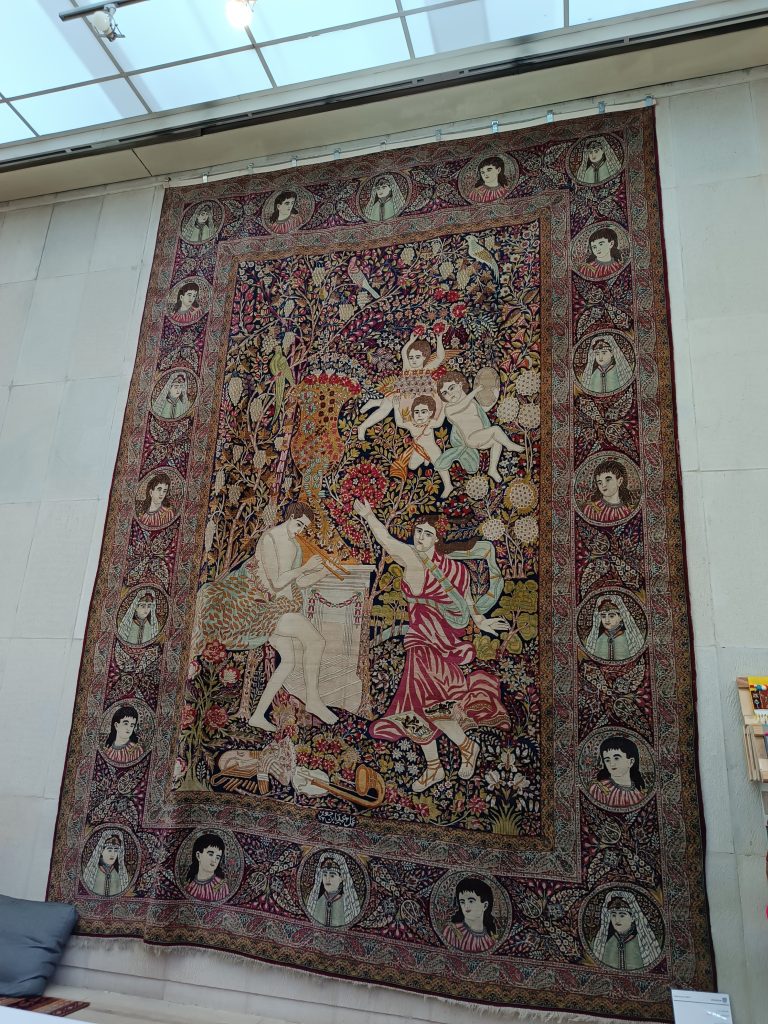
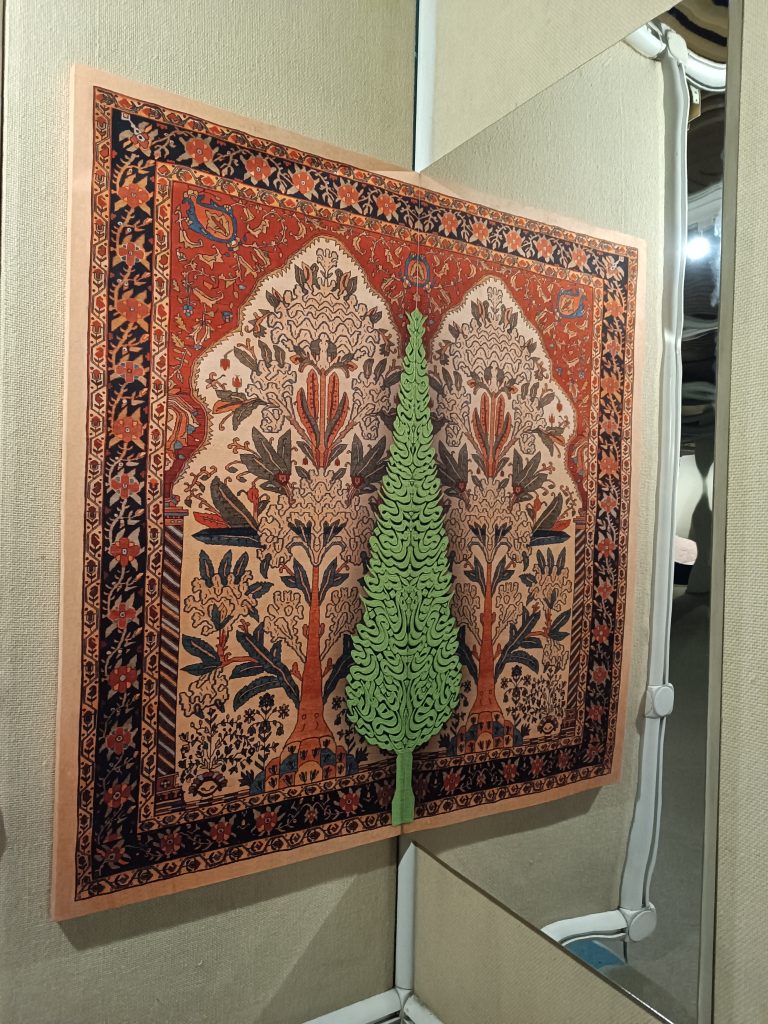
Today , Shahab team honored to have toured Iran Carpet Exhibition held at North West of Laleh Park in North Kargar Street.
The Exhibition is showcased of rich heritage and craftsmanship of Persian carpets.
It is one of the most celebrated art forms in Iran which reflect centuries of tradition, culture, and artistry.
The exhibition featured a diverse array of carpets.
Attendees had the opportunity to explore various regional styles, each with its unique patterns, colors, and weaving techniques.
Notable regions represented included Tabriz, Isfahan, Kashan, and Qom, each known for their quality.
Many pieces displayed detailed motifs inspired by Persian mythology.
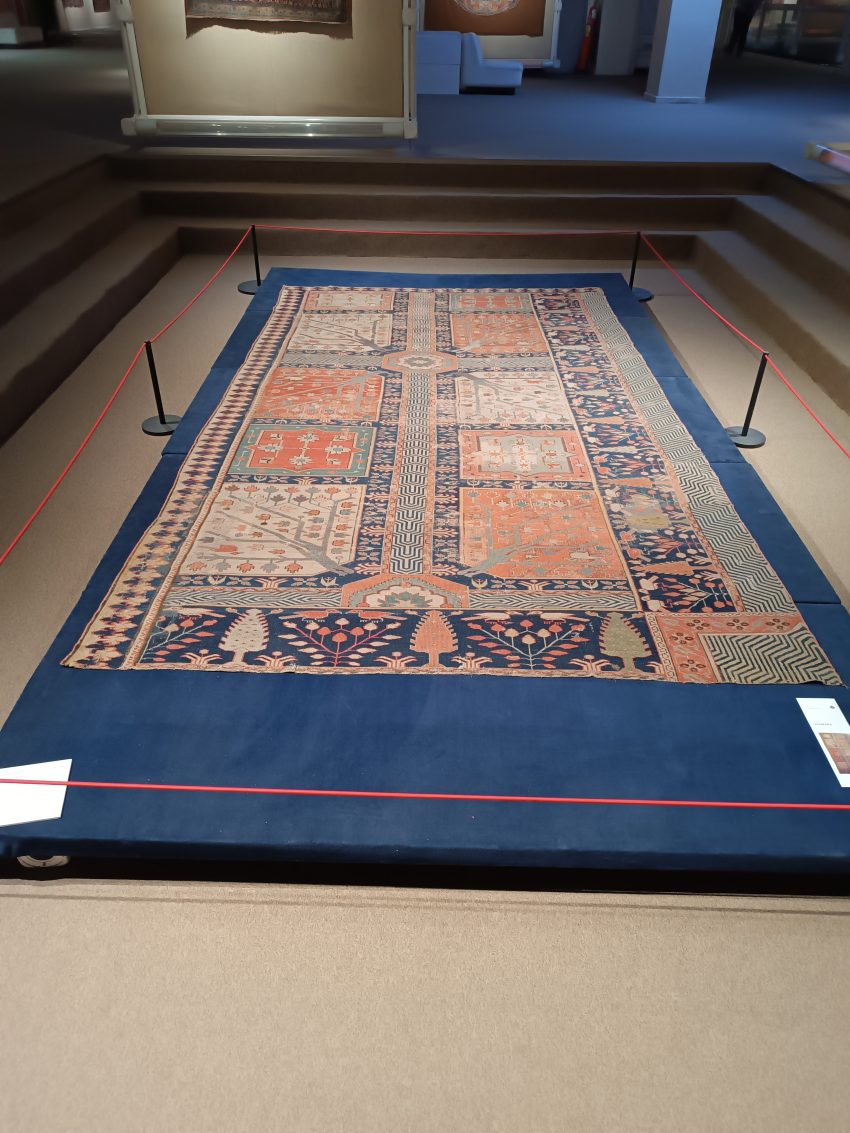
Here you can find photos which were taken by our team.
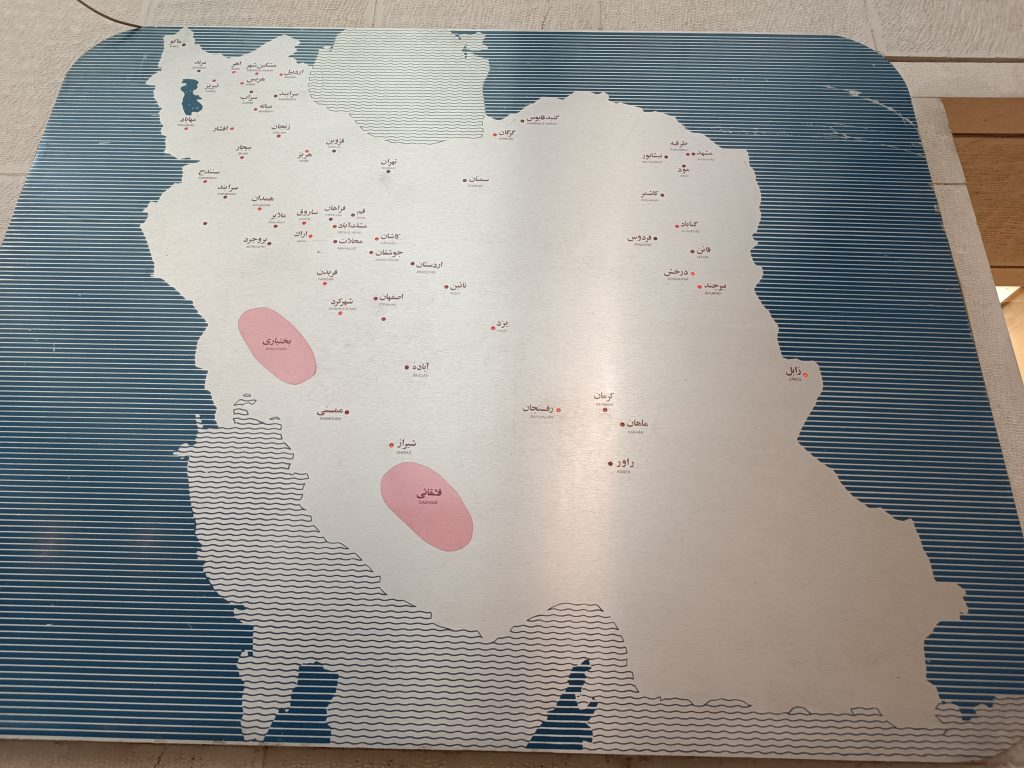
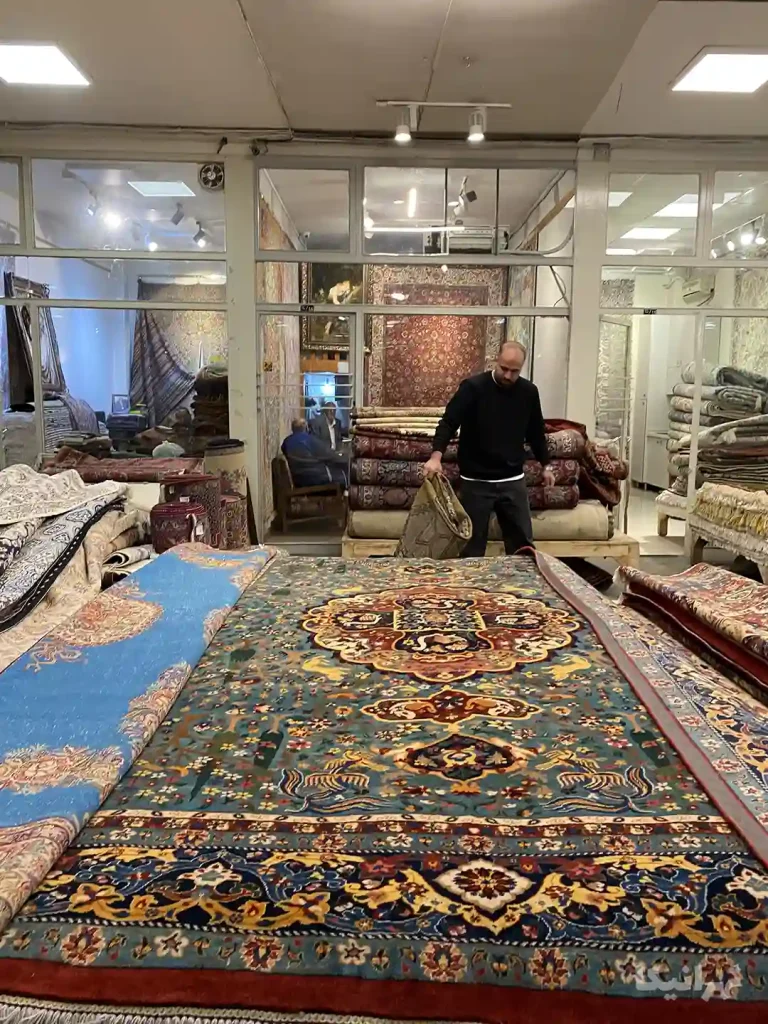
Renowned Persian Carpet markets in Iran
Posted on by Shahabrug
As you all know , Iran is renowned of its Persian Carpet in all over the world.
In this article , Shahab is going to inform you of variety market of Persian Carpet inside Iran.
Here it is :
1. Molavi Street
Both hand-woven as well as machine-made carpet are found in Molavi street in reasonable price.
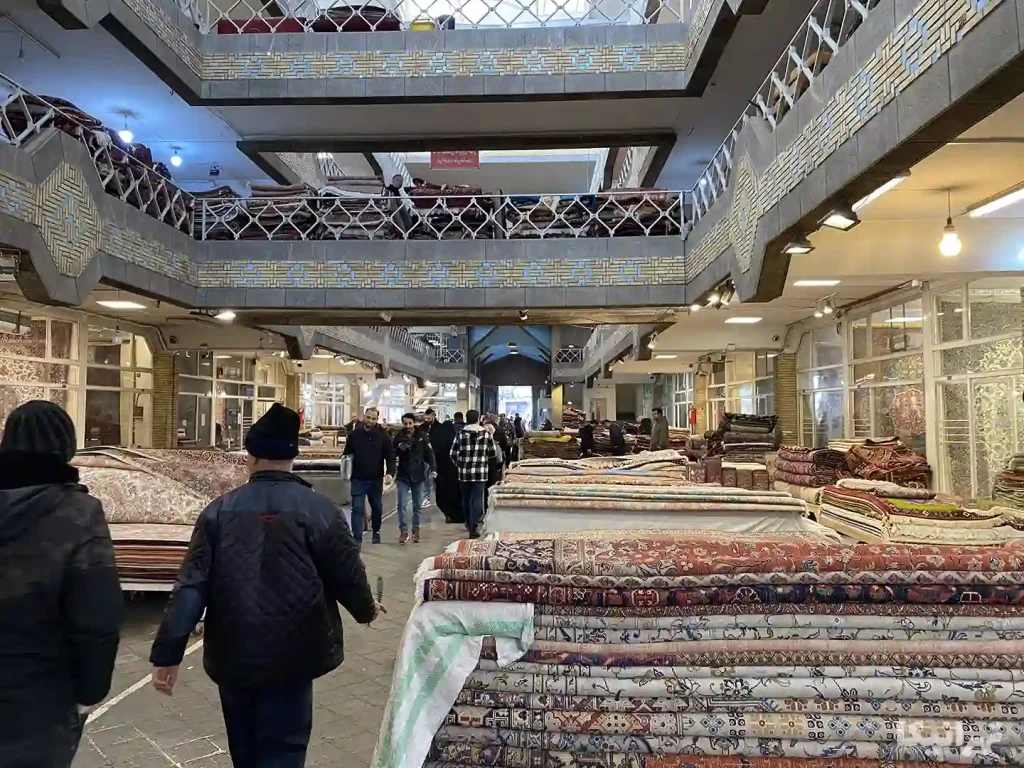
2. Grand Bazaar of Tehran
In Grand Bazaar , you would be able to buy not only carpet , but also many different stuff , but of course , carpet is unique one.
There are lots of carpet distributors in Grand Bazaar.
One of the disadvantage of going to Grand bazaar is being crowd and noisy but frankly , if you ask writer of this article , the advantage of buying from Grand Bazaar far outweigh of its disadvantages. So what are they ?
Reasonable price
Various colors , KPSM , design , etc.
Consultation with experts
etc.
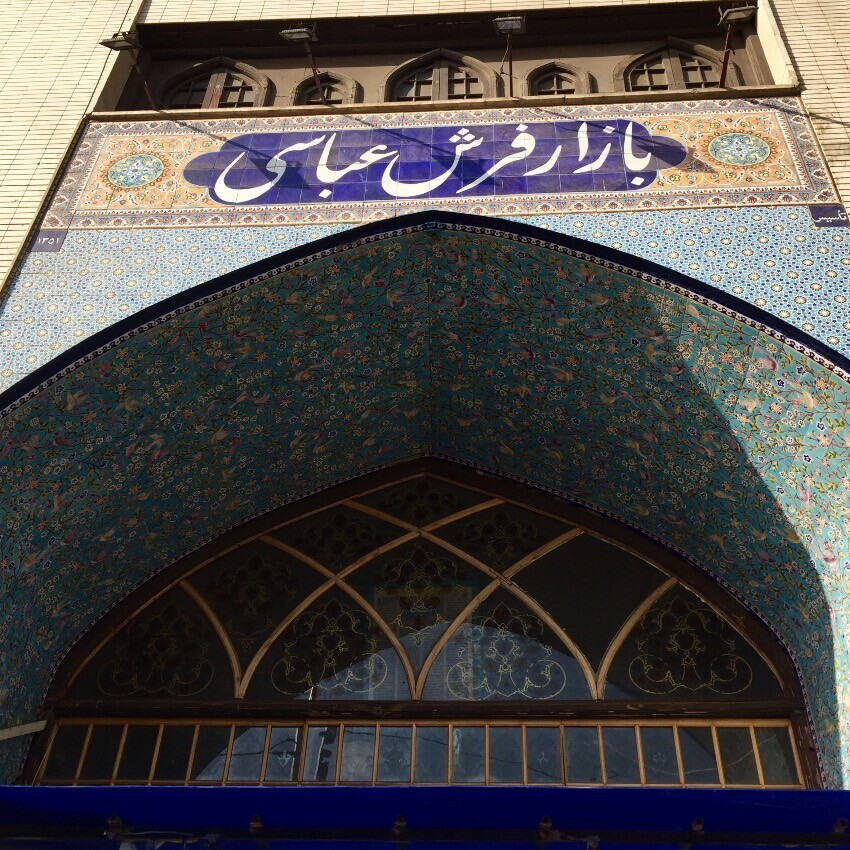
3.Abbasi Carpet Bazaar
In this Bazaar which is located in round the corner of Ferdowsi Square of Tehran , you can find different carpets in different design , colors , etc.
The price is a little bit more expensive than 2 mentioned bazaar above , but it worth visiting.
4. Of course they are more and more location in Tehran in which you can find more stores . For example : Tajrish Bazaar . But you know , it would be better to have at least trustworthy expert with you as buying things (especially a luxury carpet) can cost you a fortune.
Last but not least , if you have any question , concern , consultation , you can get back to us by email or WhatsApp number and you would receive them all in free.
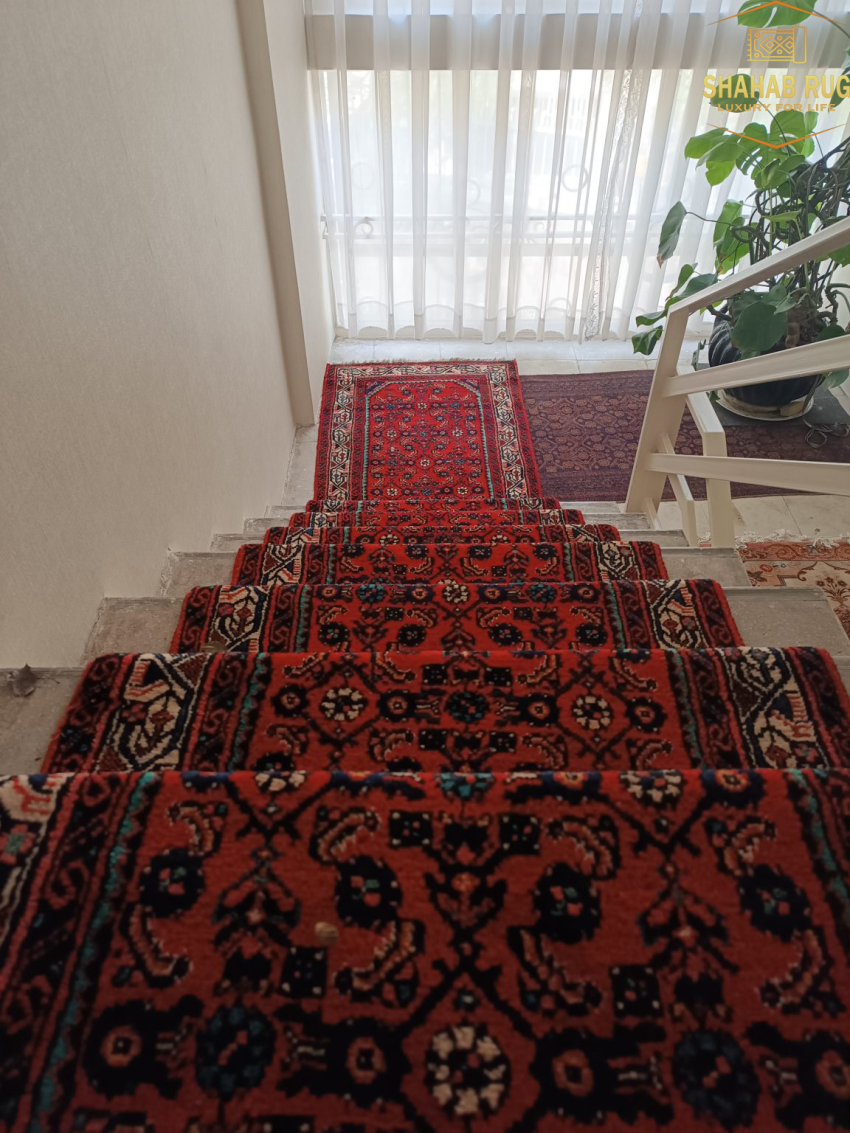
Benefits of using natural ool and Silk
Posted on by Shahabrug
hypoallergenic properties and ability to regulate humidity, creating a healthier indoor environment.
Additionally, the natural fibers found in wool and other sustainable materials contribute to a more eco-friendly and sustainable living space.
In a world where synthetic and artificial materials have become ubiquitous, it is crucial to recognize the value of incorporating natural elements into our surroundings.
By choosing natural flooring options, we not only prioritize our own health but also contribute to the preservation of the environment.
I encourage everyone to consider the impact of their living environment on their health and well-being and to explore the benefits of natural flooring materials.
Making conscious choices in our living spaces can lead to a more balanced and harmonious lifestyle, benefiting both ourselves and the planet.
Let us embrace the wisdom of nature and its profound impact on our health.
stay with us :
WhatsApp : 00989011652498
Email :sales@shahabrug.com
Happy National Day of Carpet
Posted on by Shahabrug
We are delighted to inform you that today, the 20th of Khordad (9th of June) , marks a significant occasion in the rich cultural heritage of Iran. It is with great pride that we celebrate the National Day of Carpet, a day dedicated to honoring the exquisite artistry and craftsmanship of Persian carpets.
For centuries, Iranian carpets have captivated the world with their intricate designs, vibrant colors, and unparalleled quality. These masterpieces are not merely floor coverings but rather woven narratives that reflect the artistic prowess, historical significance, and cultural identity of the Iranian people.
The National Day of Carpet serves as a reminder of the immense contribution that Persian carpets have made to the global tapestry of art and culture. It is an opportunity to recognize the dedication and skill of the countless artisans who have preserved this ancient tradition over generations, passing down their knowledge and expertise from one talented hand to another.
Iranian carpets are not just decorative items but also bearers of stories, traditions, and symbols. Each motif and pattern tells a tale, conveying messages of love, unity, spirituality, and even historical events. The meticulous process of creating these carpets involves an intricate interplay of colors, materials, and techniques, resulting in a masterpiece that can take months or even years to complete.
The celebration of the National Day of Carpet provides a platform for us to appreciate the immense value that Persian carpets bring to our lives. They not only enhance the aesthetics of our homes and spaces but also serve as a testament to the rich cultural heritage of Iran. These carpets have become ambassadors of Iranian art worldwide, adorning museums, galleries, and private collections around the globe.
Furthermore, this day encourages us to support and promote the local carpet industry in Iran. By investing in authentic Persian carpets, we contribute to the preservation of this ancient craft and provide livelihoods for the skilled artisans who dedicate their lives to creating these extraordinary works of art.
As we commemorate the National Day of Carpet, let us take a moment to marvel at the beauty and intricacy of Persian carpets. Let us honor the centuries-old tradition that has shaped our cultural identity and continues to inspire awe and admiration across borders.
May this day serve as a reminder of the enduring legacy of Iranian carpets and encourage us to cherish and protect this invaluable art form for generations to come.
The symbolism behind Hand-Woven carpet pattern
Posted on by Shahabrug
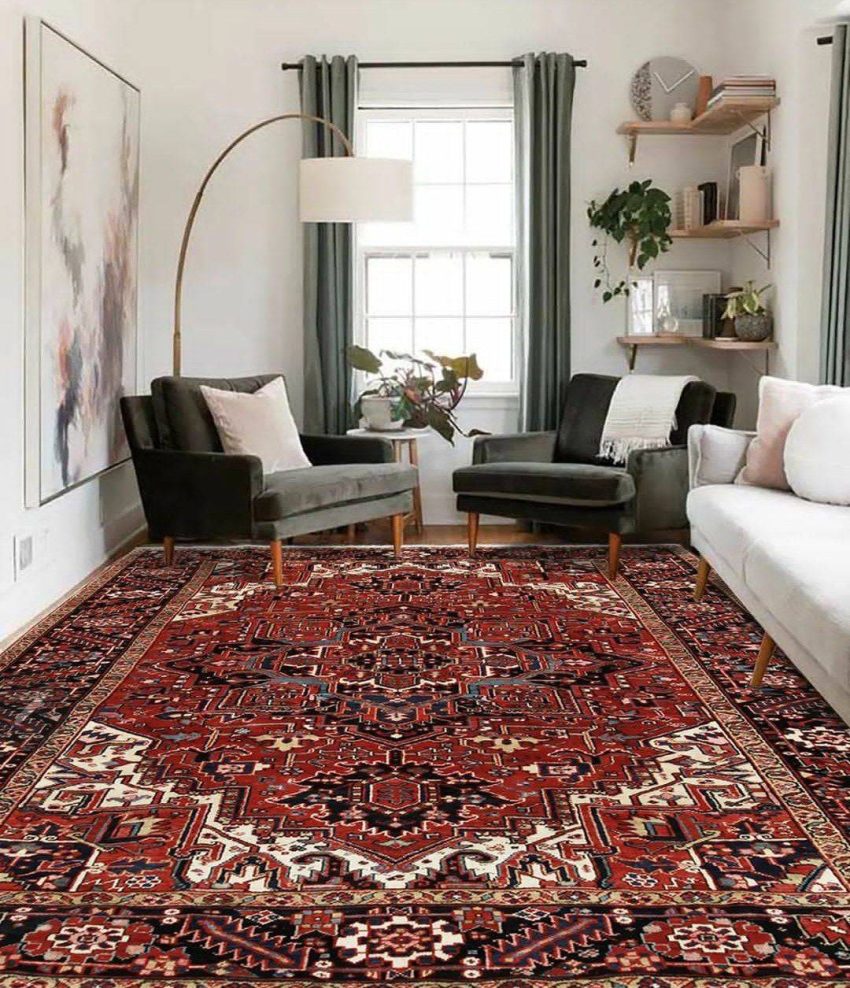
Hand-woven carpets are not just beautiful pieces of art; they are also rich in symbolism and meaning.
The intricate patterns found in these carpets often carry deep cultural significance, reflecting the history, beliefs, and traditions of the region where they are crafted.
Each design tells a story, conveying messages that have been passed down through generations.
One of the most common motifs found in hand-woven carpets is the geometric pattern.
These patterns often symbolize unity, harmony, and balance. The repetition of geometric shapes represents the interconnectedness of all things and the cyclical nature of life.
In some cultures, certain geometric patterns are believed to ward off evil spirits or bring good luck to the household.
Floral motifs are another popular design element in hand-woven carpets.
Flowers have long been associated with beauty, growth, and renewal. Different flowers may hold specific meanings, such as roses symbolizing love and passion, or lilies representing purity and innocence.
The intricate floral patterns in these carpets often celebrate the beauty of nature and the cycle of life.
Animal motifs are also commonly found in hand-woven carpets, with each animal carrying its own symbolic significance.
For example, birds may symbolize freedom and spirituality, while lions represent strength and courage.
These animal motifs can be used to convey stories from folklore or mythology, adding a layer of narrative depth to the carpet’s design.
In addition to specific motifs, the colors used in hand-woven carpets also hold symbolic meaning.
In many cultures, colors are associated with different emotions, virtues, or elements of nature.
For example, red may symbolize passion and vitality, while blue represents tranquility and wisdom. The combination of colors in a carpet’s design can create a harmonious balance that enhances the overall symbolism of the piece.
Beyond individual motifs and colors, the overall layout and composition of a hand-woven carpet can convey broader themes and messages. The arrangement of patterns may reflect concepts like unity, order, or infinity. Some carpets may feature central medallions or borders that frame the design, emphasizing a sense of completeness and symmetry.
The symbolism behind hand-woven carpet patterns is a testament to the depth of cultural knowledge and artistic expression embedded in these traditional crafts.
Each carpet is a unique piece of storytelling, weaving together threads of history, belief, and creativity. By understanding the symbolism behind these patterns, we can appreciate the craftsmanship and cultural heritage that make hand-woven carpets such cherished works of art.
The process of making Hand-woven carpet
Posted on by Shahabrug
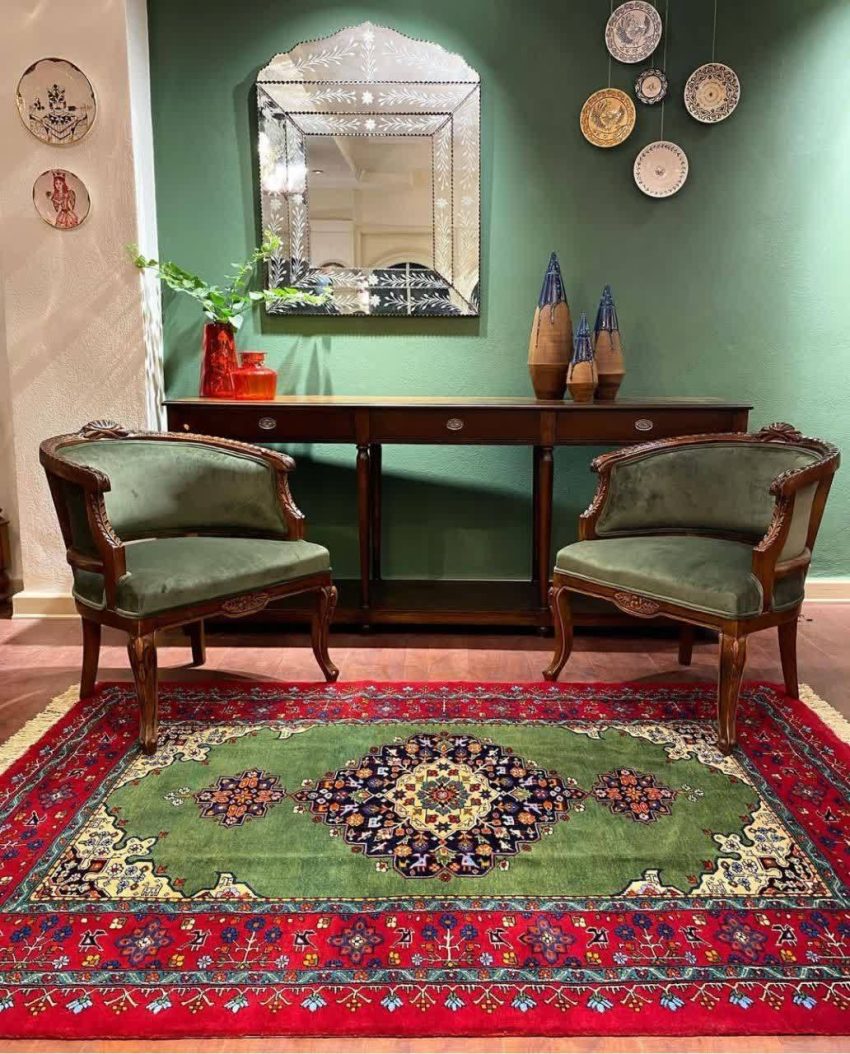
Hand-woven carpets are a timeless and exquisite form of art that requires meticulous craftsmanship and skill.
The process of making a hand-woven carpet is a labor-intensive and intricate one, involving several steps that have been passed down through generations.
The first step in making a hand-woven carpet is selecting the finest quality wool or silk fibers. These fibers are carefully sourced and sorted based on their color, texture, and quality.
Once the fibers are selected, they are cleaned and dyed using natural or synthetic dyes to achieve the desired colors.
Next, the dyed fibers are spun into yarn using traditional spinning techniques.
The yarn is then stretched and wound onto bobbins or spindles in preparation for weaving.
The loom used for hand-woven carpets is typically a vertical or horizontal frame loom, where the warp threads are stretched tightly to create the foundation of the carpet.
The weaving process begins by tying the yarn to the warp threads and creating the intricate patterns and designs of the carpet.
This is done by hand, using a variety of techniques such as knotting, looping, or flat-weaving.
The weaver carefully follows a detailed pattern or design chart to ensure precision and consistency throughout the carpet.
As the weaving progresses, the weaver may use tools such as a shuttle or beater to pack down the weft threads and create a tight, dense weave.
This helps to enhance the durability and longevity of the carpet.
The weaver continues to work on the carpet, row by row, until the entire design is completed.
Once the weaving is finished, the carpet is removed from the loom and inspected for any imperfections or errors.
Any loose threads or knots are carefully trimmed, and the edges of the carpet are secured to prevent fraying.
The final step in the process is washing and finishing the carpet to enhance its luster and softness.
In conclusion, the process of making a hand-woven carpet is a time-honored tradition that requires skill, patience, and attention to detail.
Each hand-woven carpet is a unique work of art that reflects the craftsmanship and expertise of the weaver. From selecting the finest fibers to creating intricate designs, every step in the process contributes to the creation of a beautiful and luxurious hand-woven carpet that will be treasured for generations to come.
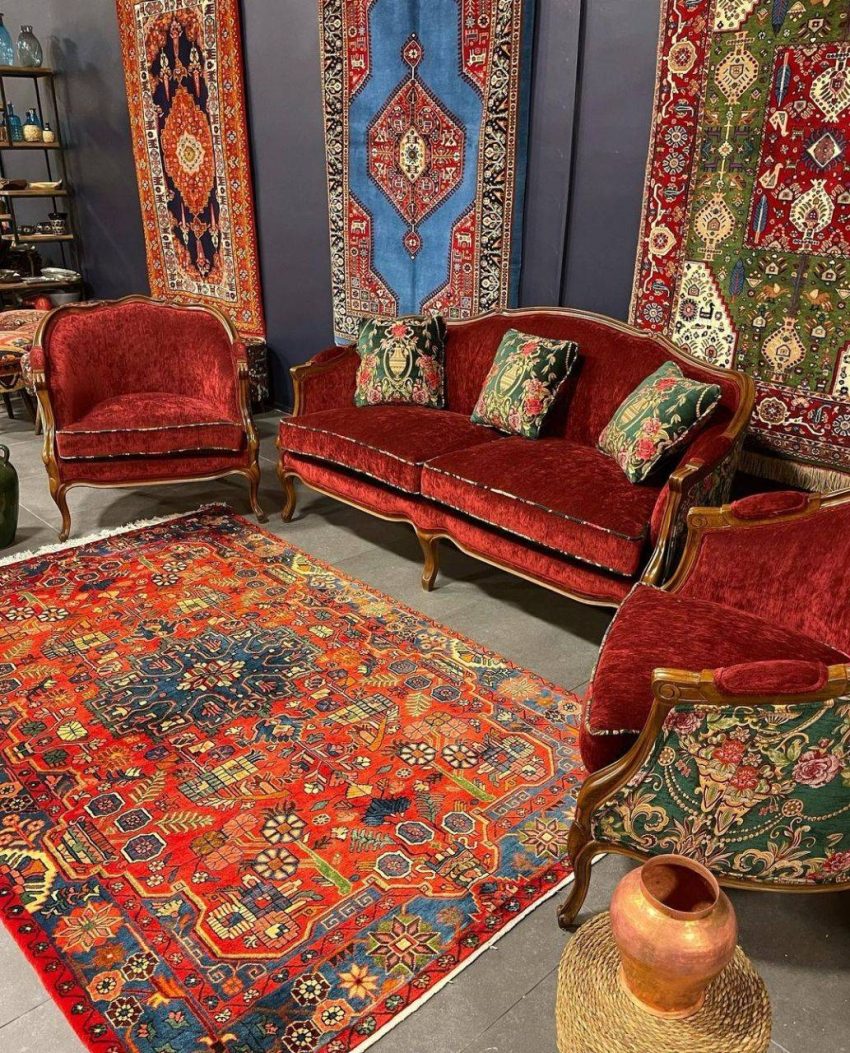
The cultural significance of hand-woven carpets
Posted on by Shahabrug
Hand-woven carpets hold a profound cultural significance that transcends mere functionality and aesthetic appeal.
Rooted in centuries-old traditions and craftsmanship, these exquisite creations are not just decorative pieces but also symbols of cultural heritage, identity, and artistic expression.
The art of hand-weaving carpets has been passed down through generations, with each rug telling a unique story of the weaver’s skill, creativity, and cultural background.
In many cultures around the world, hand-woven carpets are considered more than just floor coverings – they are revered as works of art that reflect the values, beliefs, and traditions of the community.
The intricate designs, patterns, and motifs woven into these carpets often carry symbolic meanings that are deeply rooted in the cultural and religious beliefs of the weavers.
From the geometric patterns of Moroccan Berber rugs to the floral motifs of Persian carpets, each design element tells a story and conveys a message that is rich in symbolism and cultural significance.
Moreover, hand-woven carpets serve as a means of preserving and promoting cultural heritage.
In many countries, the art of carpet weaving is considered a traditional craft that is passed down from generation to generation.
By creating and preserving these intricate textiles, weavers not only honor their cultural roots but also contribute to the preservation of traditional craftsmanship and skills that are at risk of being lost in today’s fast-paced, industrialized world.
Furthermore, hand-woven carpets play a vital role in the economy of many communities around the world.
In regions where carpet weaving is a traditional craft, the industry provides employment opportunities for local artisans, particularly women, who often play a central role in the production process.
By supporting the production and sale of hand-woven carpets, consumers can contribute to the economic empowerment of these communities and help sustain a valuable cultural tradition.
In conclusion, the cultural significance of hand-woven carpets extends far beyond their beauty and utility.
These exquisite creations are a testament to the rich history, traditions, and craftsmanship of diverse cultures around the world.
By appreciating and preserving the art of hand-weaving carpets, we not only celebrate our shared cultural heritage but also support the livelihoods of artisans and communities who continue to keep this ancient tradition alive.
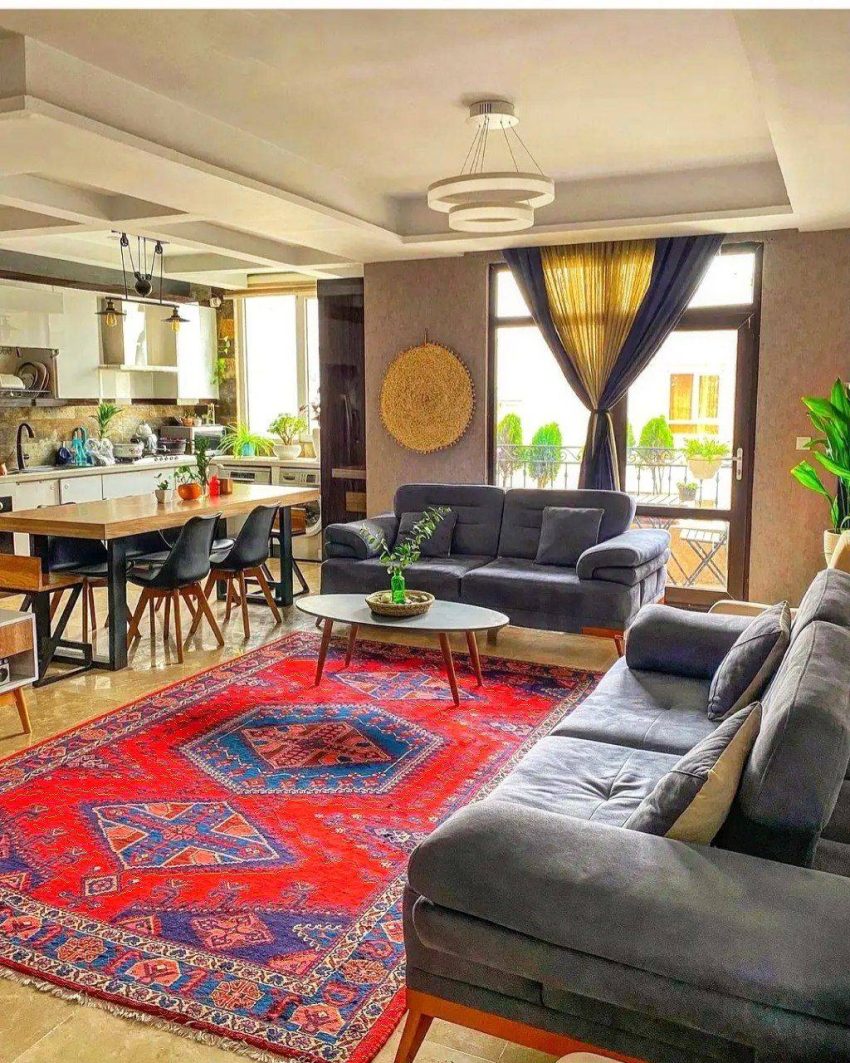
Modern trends in hand woven carpet
Posted on by Shahabrug